


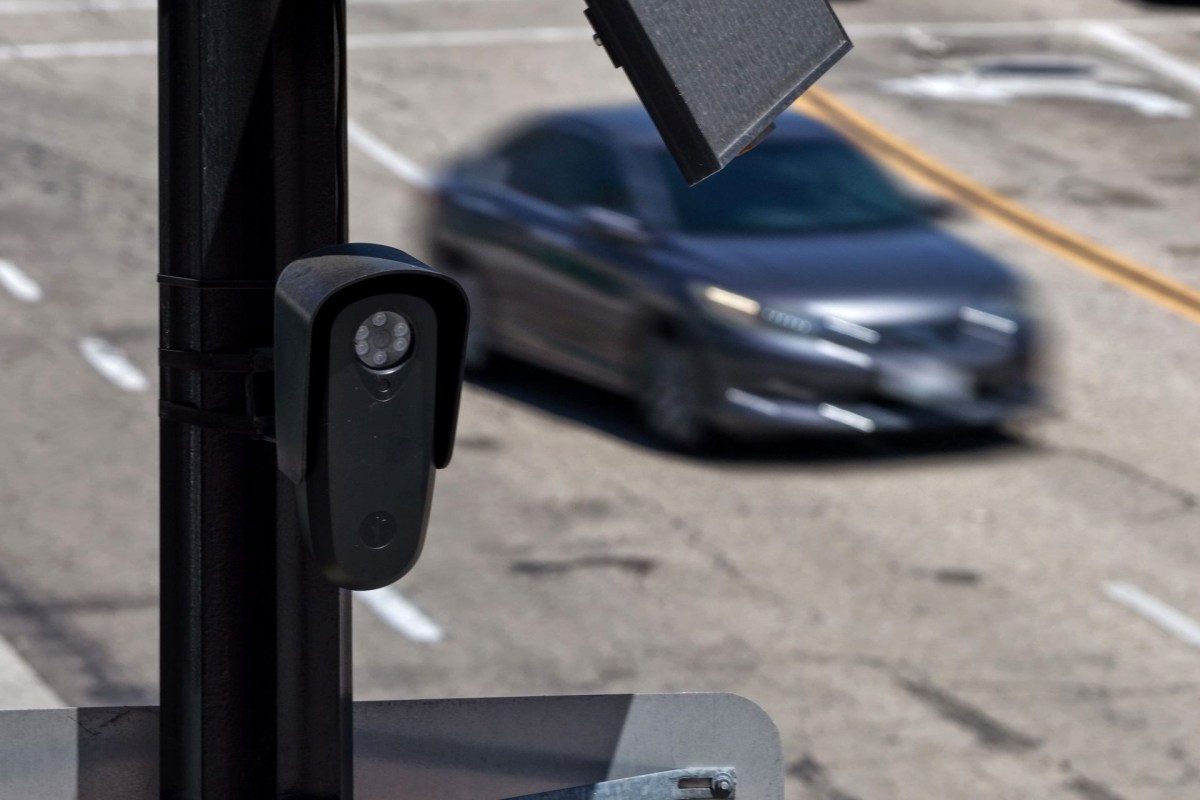
Palm Bay, Fla., has halted its Flock license-plate reader program while officials examine whether the cameras were installed without required permits, according to FOX 35 Orlando.
Palm Bay officials said the system was suspended immediately amid an internal review, marking a rare public pause on a surveillance tool over basic oversight concerns.
What happened?
After questions arose about permitting, Palm Bay began reviewing the locations of its Flock Safety cameras and the way the equipment was installed.
The city said Flock Safety, the vendor, may have failed to meet local permitting and installation rules, leading officials to shut the system down.
Rather than taking the units off their poles, the city is leaving them in place, switching them off, and putting hoods over the lenses so people can see they are not in use.
City Manager Matthew Morton said the visible shutdown is meant to show residents that the suspension is not merely an administrative formality.
TCD Picks » Quince Spotlight
💡These best-sellers from Quince deliver affordable, sustainable luxury for all




"This City Council is committed to trust, transparency and accountability," Morton said in a statement.
City staff is expected to conduct a broader investigation into how the cameras were permitted and installed at each site, according to the city, before presenting findings and recommendations to the City Council, which will then vote on the system's future.
Why does it matter?
License-plate reader systems are often promoted by police departments as tools for locating missing people, identifying suspect vehicles, and helping speed up investigations.
At the same time, the systems have long raised concerns about how much information governments should collect about the daily movements of ordinary residents.
That tension is especially visible in Palm Bay because the city has paused another tech-based enforcement effort over vendor-related problems.
A FOX 35 investigation found RedSpeed's school zone speed cameras in Palm Bay violated Florida Department of Transportation placement guidelines and state law, which led to their removal.
Palm Bay City Councilman Chandler Langevin also pointed to the broader privacy debate, saying residents are worried about being tracked as automated surveillance expands across public spaces.
What's being done?
City leaders are using the deactivation and lens coverings as a public indication that the cameras are not recording.
According to the city, the next phase is a full review of how permitting and installation were handled at every camera site.
The City Council will ultimately decide what happens next with the system.
"We are going to demonstrate it through transparency, accountability, and action," Morton said.
Langevin added, "There are concerns from the residents that they can't drive anywhere in our city without the government knowing, so there is a balance there between public safety and our residents' privacy that we're going to have some tough discussions about."

Get TCD's free newsletters for easy tips, smart advice, and a chance to earn $5,000 toward home upgrades. To see more stories like this one, change your Google preferences here.






