


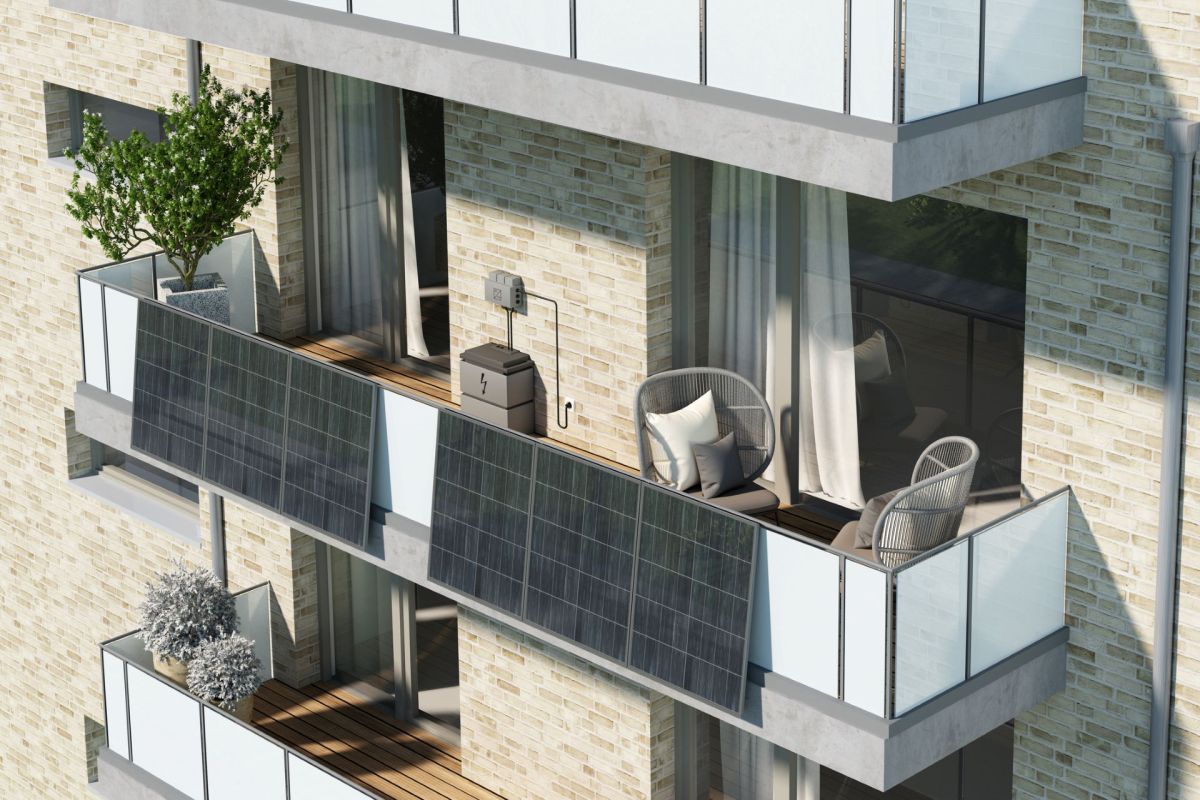
California's bruising fight over rooftop solar is now spilling over into a new arena: compact, portable solar panels often referred to as "balcony solar."
Lawmakers in Sacramento are considering whether residents should be able to use these smaller panels by placing them on balconies, patios, and fences and then plugging them into ordinary household outlets.
For renters and homeowners who cannot afford a full rooftop system, the change could open a far cheaper entry point to solar power.
What's happening?
The debate centers on "balcony solar," modest plug-in systems already common in Germany and now legal in Utah and nine additional states. According to the Los Angeles Times, Californians have started buying these panels even though state rules have not clearly authorized the practice.
One buyer, Michael Scott, an Oakland Zoo philanthropy officer, said he turned to the non-profit Bright Saver after concluding a rooftop setup would require electrical work he couldn't justify. He told the Times he paid about $680 for two 180-watt panels.
"It's like plugging in a toaster, there is nothing complex about it at all," Scott explained.
TCD Picks » Quince Spotlight
💡These best-sellers from Quince deliver affordable, sustainable luxury for all




Rather than mounting a full array on a roof, users of balcony solar can set the lightweight panels in any suitable outdoor space and feed power through a regular outlet. Scott said that has eliminated his need to draw power from the grid around midday.
"Immediately it's providing me savings," he said, per the Los Angeles Times.
Advocates argue that the barriers to more widespread adoption of balcony solar have less to do with the hardware than with the rules around approval and certification. Bernadette Del Chiaro, senior vice president at the nonprofit Environmental Working Group, told the Times that getting solar cleared by a utility can still be an expensive, cumbersome process.
Why does it matter?
Electricity prices remain a major burden in California, and rooftop solar has not been a realistic option for many residents, including renters, apartment dwellers, and homeowners who would need costly electrical upgrades. Plug-in solar could give more households a chance to lower their bills without taking on a major renovation.
Balcony solar could also expand access to cleaner sources of energy. Traditional solar systems often benefit people who own single-family homes and have enough savings or access to credit to cover the upfront installation costs. Balcony solar, by contrast, is meant to be smaller, quicker to set up, and less expensive.
Utilities, however, say the issue is more complicated. PG&E, a utility company serving Northern California, told the Times the state bill under consideration still "does not adequately address concerns about grid reliability, electrical safety, and potential cost shifts to customers who do not participate in the program."
Those objections point to a wider debate in California over distributed energy: who gets the savings when people generate some of their own electricity at home, and who pays to maintain the grid.
What's being done?
Under the bill from Scott Wiener, a state senator representing San Francisco, manufacturers that obtain safety certification could sell plug-in solar systems without customers first needing utility permission. Additionally, the proposed legislation would allow renters to install balcony solar systems without first notifying the property owner.
While the bill has faced challenges from utility companies and other groups, some critics have recently changed their position. For example, power company Southern California Edison dropped its opposition in June after revisions to the bill allowed utilities to confirm panel certification, spokesperson David Eisenhauer told the Times. Groups representing utility workers and firefighters have also moved to a neutral position.
Still, not everyone backs the proposal. As the Times reported, PG&E and San Diego Gas & Electric continue to oppose it, while the Southern California Rental Housing Association has voiced concerns over the provision that would allow tenants to plug in panels without notifying property owners.
With balcony solar presenting a promising option for people looking to save on their electricity bills while also reducing air pollution, the key hurdles appear to be political. Yet, as Michael Scott demonstrated, some renters and homeowners likely will install their own balcony solar systems anyway, fully legal or not.

Get TCD's free newsletters for easy tips, smart advice, and a chance to earn $5,000 toward home upgrades. To see more stories like this one, change your Google preferences here.






