


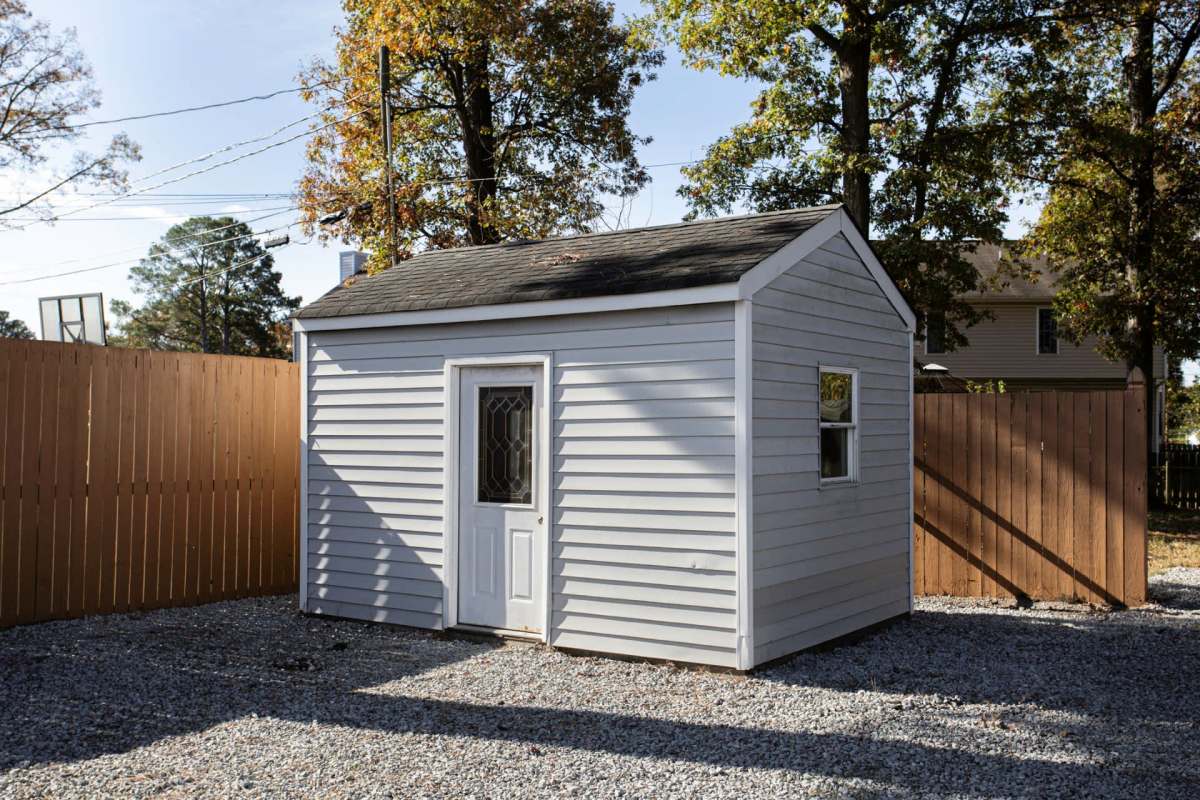
Before the rest of the solar project is finished, one Texas off-grid builder is dealing with a basic but urgent question that they posed to the r/SolarDIY subreddit. Can a compact 48-volt battery stay in an uninsulated shed long enough to start an inverter without being ruined by the heat?
For homeowners and hobbyists assembling systems on a budget, that kind of temporary fix can look practical, but if high temperatures shorten the battery's life, it might defeat the purpose.
What's happening?
In a post on Reddit, a Texas DIYer asked: "Are there small 48V batteries that can live in a 100+ degree shed?"
The immediate need was not a full-capacity battery bank. The user just wanted enough battery power to wake up a Sungold SPH5048P by feeding the DC bus and allowing the AC side to turn on.
Many inverters need a battery connected before the rest of the setup becomes usable. The real complication is the location.
In Texas, a shed that already reaches 100 degrees Fahrenheit can trap even more heat, especially if it lacks insulation, ventilation, and protection from direct sunlight on the roof and walls.
TCD Picks » Quince Spotlight
💡These best-sellers from Quince deliver affordable, sustainable luxury for all




So the issue is not only whether a battery can make it through a short stretch in those conditions, but whether it can do that safely without giving up a significant part of its service life.
Fortunately, users provided several options that were operational to 122 degrees Fahrenheit, and the poster spotted one even going up to 131 — though it's worth noting that upper limits are upper limits rather than ideal temperatures and thus there could be some risk in putting a battery in a situation that could meet or exceed that limit.
One commenter did point out that "lead acid looks to be a non-starter" because of the impacts of internal corrosion and water loss in high heat.
Why does it matter?
A small "starter" battery can seem like an appealing money-saving workaround for people building backup power or off-grid systems in stages. It may let someone delay the cost of a much larger battery bank while the rest of the system comes together.
But extreme heat can quickly change that equation. Even battery types often considered comparatively stable can age faster in high temperatures, and lead-acid batteries are especially vulnerable to accelerated wear in hot conditions.
In a sealed shed, ambient heat is often only part of the story, since internal battery temperatures can rise beyond the air temperature around them.
A cheap temporary solution can turn into an expensive replacement cycle. If a battery degrades early, the owner may end up paying for a second unit sooner than expected. In extreme temperatures, a battery could even cause a fire, though most mainstream batteries from reputable companies are made with several safeguards against this.
What can I do?
The safest move is to shop by the manufacturer's operating-temperature limits, not just by voltage and price.
A battery that is technically 48V still may not be a good fit for prolonged exposure to triple-digit heat. If the battery has to live near the inverter for a while, look for a unit with a built-in battery management system and clear high-temperature protections.
Even then, it's smarter to treat that arrangement as temporary, not permanent. Practical, low-cost steps can also help protect the investment, like adding shade, improving airflow, using a reflective barrier, and keeping the battery off hot concrete or metal surfaces.
Better yet, place the battery in a more temperature-controlled location and run properly rated cable to the inverter. Spending a little on ventilation or a basic enclosure upgrade can pay off in the long run.

Get TCD's free newsletters for easy tips, smart advice, and a chance to earn $5,000 toward home upgrades. To see more stories like this one, change your Google preferences here.







