


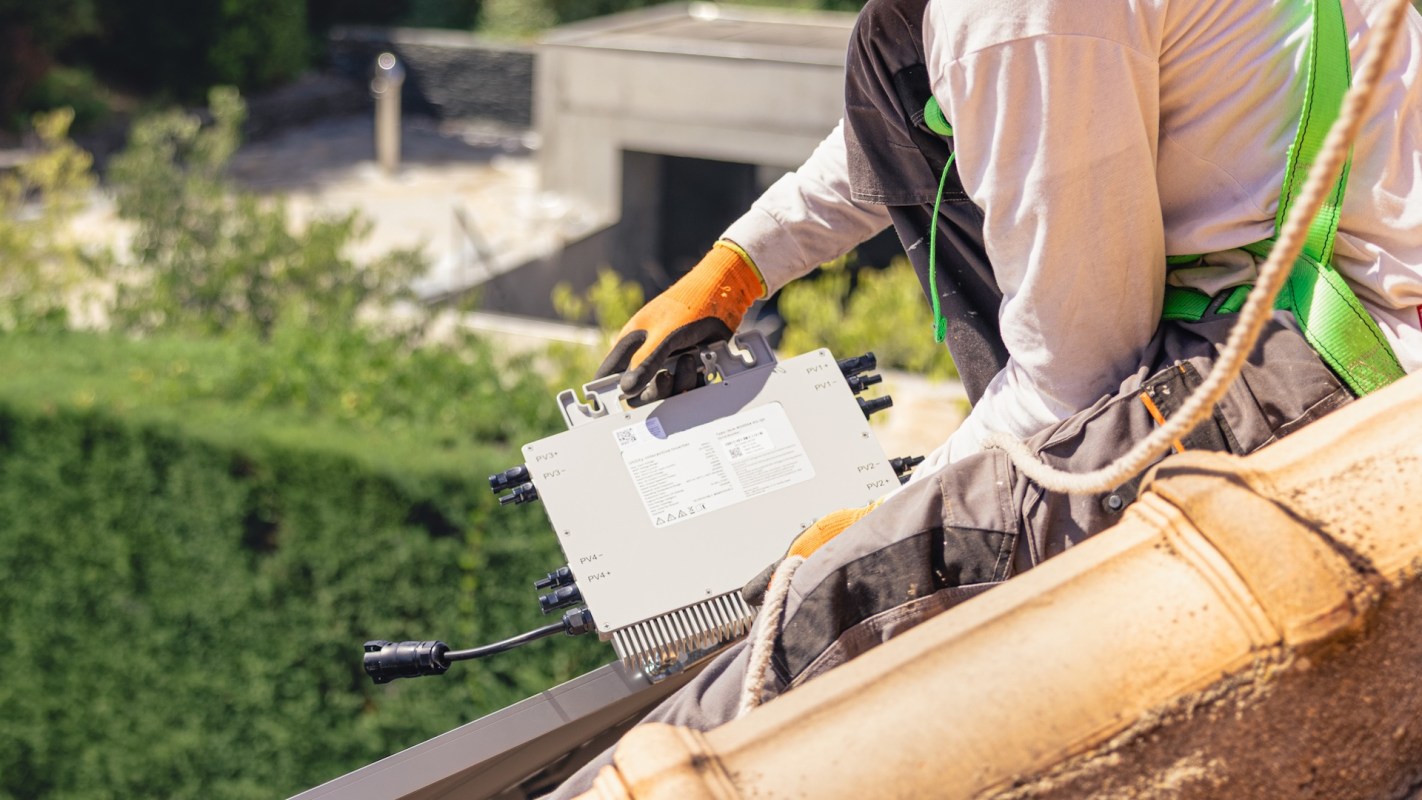
A homeowner with a 1970s-era house has already installed an off-grid inverter and battery, and with solar panels planned next, the next challenge is figuring out how to add grid backup without tearing apart the home's electrical system.
It is a familiar crossroads for people trying to modernize older homes: The clean-energy equipment is ready, but the legacy wiring can make the final steps feel much more complicated.
What happened?
The homeowner turned to Reddit for advice after sketching out a plan to connect an inverter, battery, and future solar panels to an older main panel. The house appears to have older wiring practices that do not line up neatly with a modern solar-plus-battery setup.
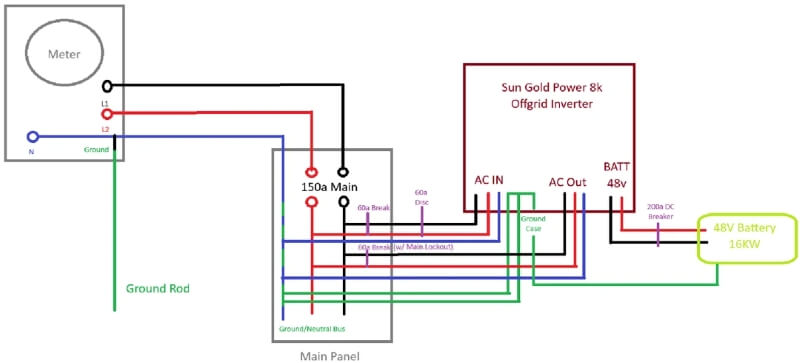
The options they were weighing included putting a subpanel ahead of the main panel or relocating breakers into a different subpanel powered by the inverter. The poster said, "this house is from 1970s, it only has a shared neutral/ground coming from panel."
Crushed by your bills? See instant solar savings from vetted installers in just a few clicks With energy prices through the roof, there's never been a better time to go solar — and EasyHome can help you find the best prices from the best installers in your area. EasyHome takes the guesswork and headaches out of energy upgrades by showing you estimated savings from a network of vetted local partners. To get started, just enter your ZIP and share a few details about your home — seeing your estimate is really that easy. |

Going solar is one of the best ways to save money on home energy. Homeowners considering a similar setup can explore EnergySage's free tools to get quick solar installation estimates and compare quotes.
Why does it matter?
By making energy upgrades, owners of older homes can lower utility bills, add resilience during outages, and reduce dependence on expensive power from the grid. When looking to do a DIY project, however, it's important to be mindful of the fact that aging panels, outdated grounding practices, and limited breaker space can turn into a safety and code-compliance puzzle.
When installed correctly, solar-plus-battery systems can deliver real benefits. While solar panels can decrease monthly electricity costs, batteries can keep essentials running when the power goes out.
However, any service entrance changes, meter pulls, and neutral-ground questions typically require a licensed electrician and coordination with the utility.
What can I do?
"I am needing advice on what would be the easiest, cheapest way to make this be grid supplemented without having to redo the whole wiring for my house," the homeowner wrote. "Do you all have any idea of what would be the best way to do this?"
For homeowners in a similar position, it's important to have a professional perform a load calculation and panel review. An electrician can help determine if a critical-load subpanel, service upgrade, or code-compliant reconfiguration would be needed to support the system.
If you're still shopping the solar side of the project, EnergySage can help you go solar with free tools that let you curate competitive bids from local installers without them obtaining any of your contact information unless you choose to work with one further.
EnergySage's free services can also make the financial side much easier to navigate: With EnergySage's help, the average person can save up to $10,000 on solar purchases and installations. Tools such as EnergySage's solar map, which shows the average cost of a home solar panel system by state and details solar panel incentives for each state, can help readers get the best price for rooftop solar panels and access available incentives.
More From EnergySage
💡Go deep on the latest news and trends shaping the residential solar landscape

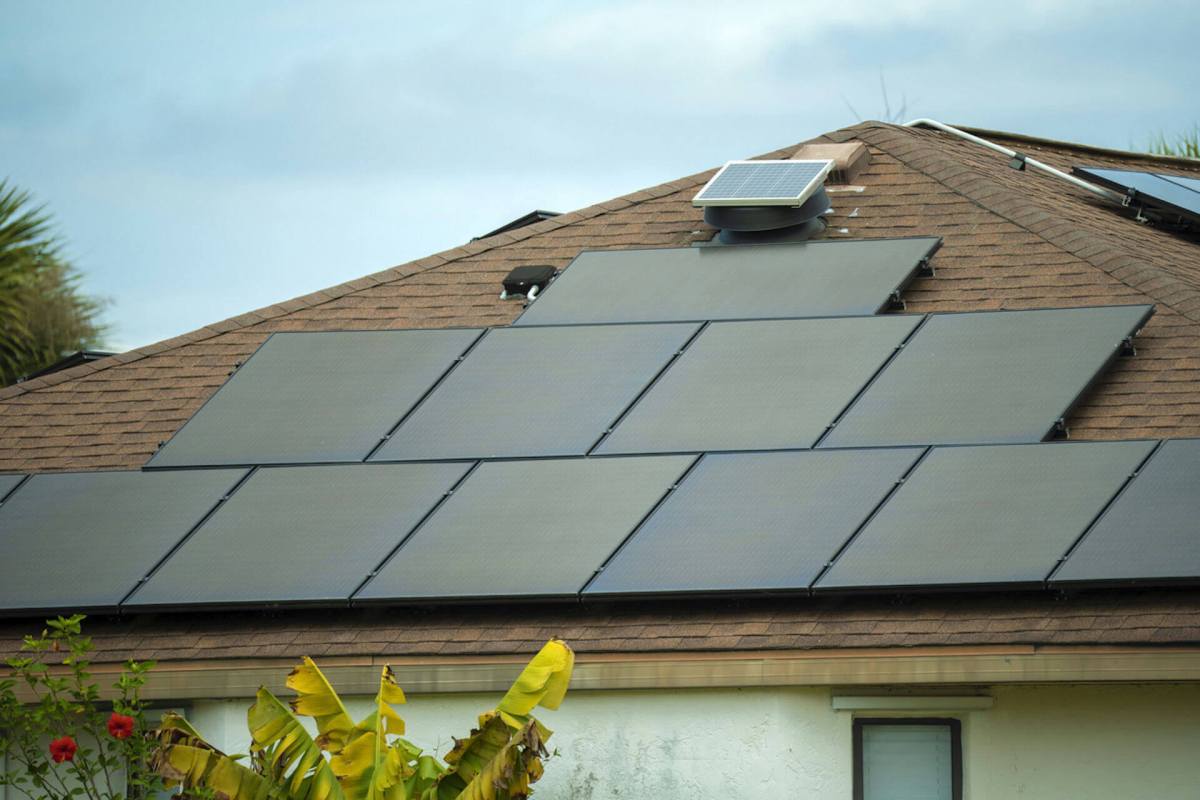

Adding battery storage to a solar setup is a solid way to protect your home during outages, save on energy costs, and go off-grid. It can also help homeowners keep key appliances powered and use more of their own solar electricity after sunset. If you're at this stage of your setup, you can explore EnergySage's free tools for information about home battery storage options, including competitive installation estimates.

Get TCD's free newsletters for easy tips, smart advice, and a chance to earn $5,000 toward home upgrades. To see more stories like this one, change your Google preferences here.






