


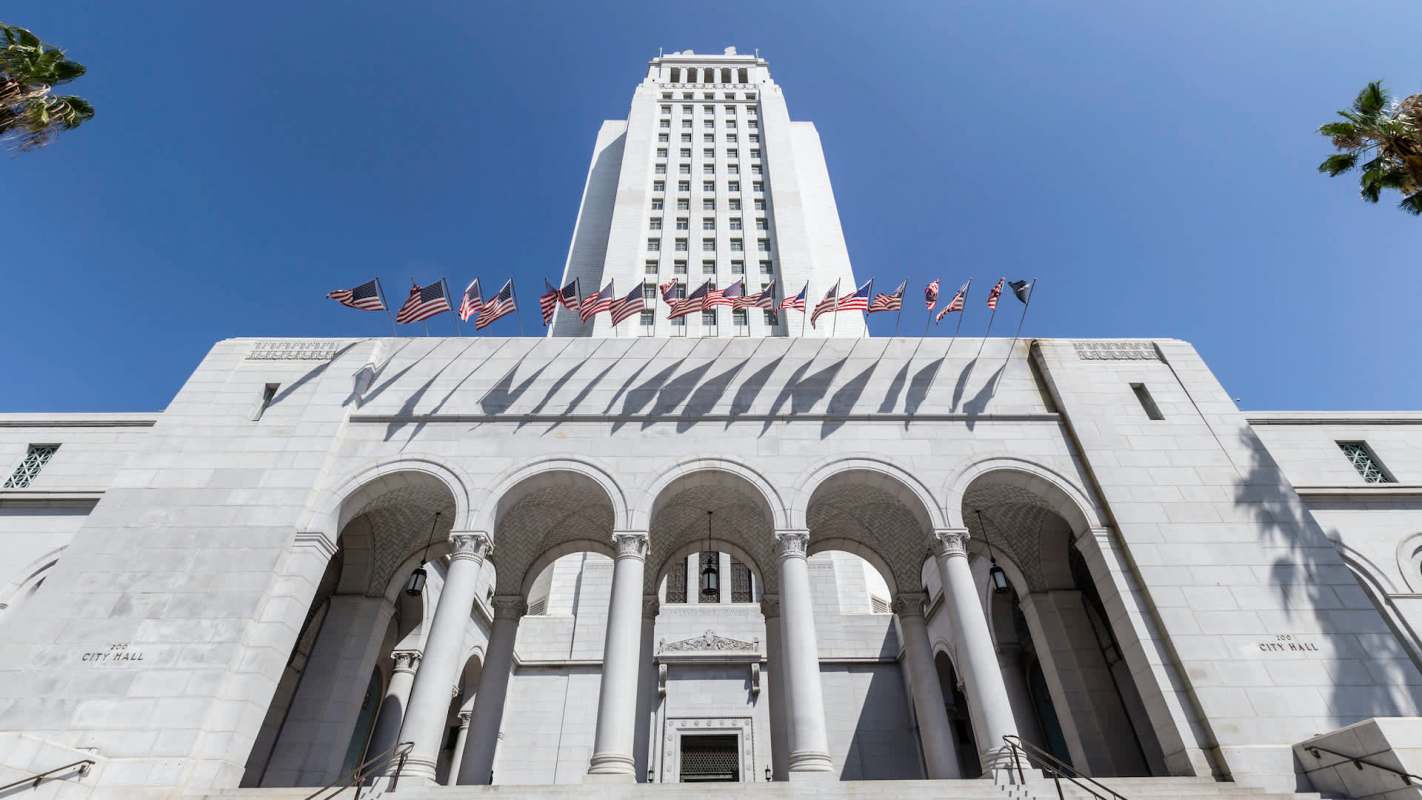
Los Angeles tenant advocates are pressing city leaders to stop landlords from using RUBS, a utility billing method that renters say can raise the cost of living in rent-stabilized apartments.
Critics say the charges can be layered on top of already expensive housing costs and, for many families struggling to keep up, feel like another rent increase, MyNewsLA.com reported.
What happened?
At a Monday rally at Los Angeles City Hall, tenants called on the City Council to ban the cost-sharing method, or ratio utility billing system, in rent-stabilized housing.
Under the practice, landlords split a master utility bill among tenants using formulas that may take into account occupancy, unit size, or square footage.
Renters and organizers say the system is not transparent and can add hundreds of dollars to monthly housing expenses.
Rene Moya, tenant power coordinator for the Debt Collective, told City News Service that for some renters, RUBS can mean a jump in rent from $200 to $400 per month.
TCD Picks » Quince Spotlight
💡These best-sellers from Quince deliver affordable, sustainable luxury for all




Moya said landlords get a master bill from utility providers and then use a third-party service to assign charges to individual tenants, which he described as "opaque," telling CNS, "That is basically an undeclared rent increase that landlords have suddenly gifted themselves."
Why does it matter?
The issue has been under city review since December.
Then, the Los Angeles Housing Department released a report recommending a ban on RUBS in rent-stabilized apartments, but the City Council's Housing and Homelessness Committee has not acted.
According to the housing department report, banning the practice citywide would give renters "greater financial predictability" and protect them from "excessive" increases, MyNewsLA.com stated.
Backers of RUBS disagree.
Daniel Yukelson, executive director and CEO of the Apartment Association of Greater Los Angeles, said the system fairly distributes utility costs and has become "more sophisticated and precise."
What's being done?
Tenant groups are calling on the city to impose a ban on the utility billing practice for rent-stabilized units.
Moya and other organizers are also encouraging renters facing unclear utility charges to organize with neighbors and to connect with groups such as the Los Angeles Tenants Union or Debt Collective.
For households facing similar conflicts, working with landlords or homeowners associations can achieve more resident-friendly outcomes.
Yukelson said the fix is clearer information, not ending the system.
"I strongly encourage the tenant detractors who are concerned about RUBS to argue for transparency regarding the RUBS formula and NOT abolishing RUBS altogether," he wrote in an email to CNS.

Get TCD's free newsletters for easy tips, smart advice, and a chance to earn $5,000 toward home upgrades. To see more stories like this one, change your Google preferences here.






