


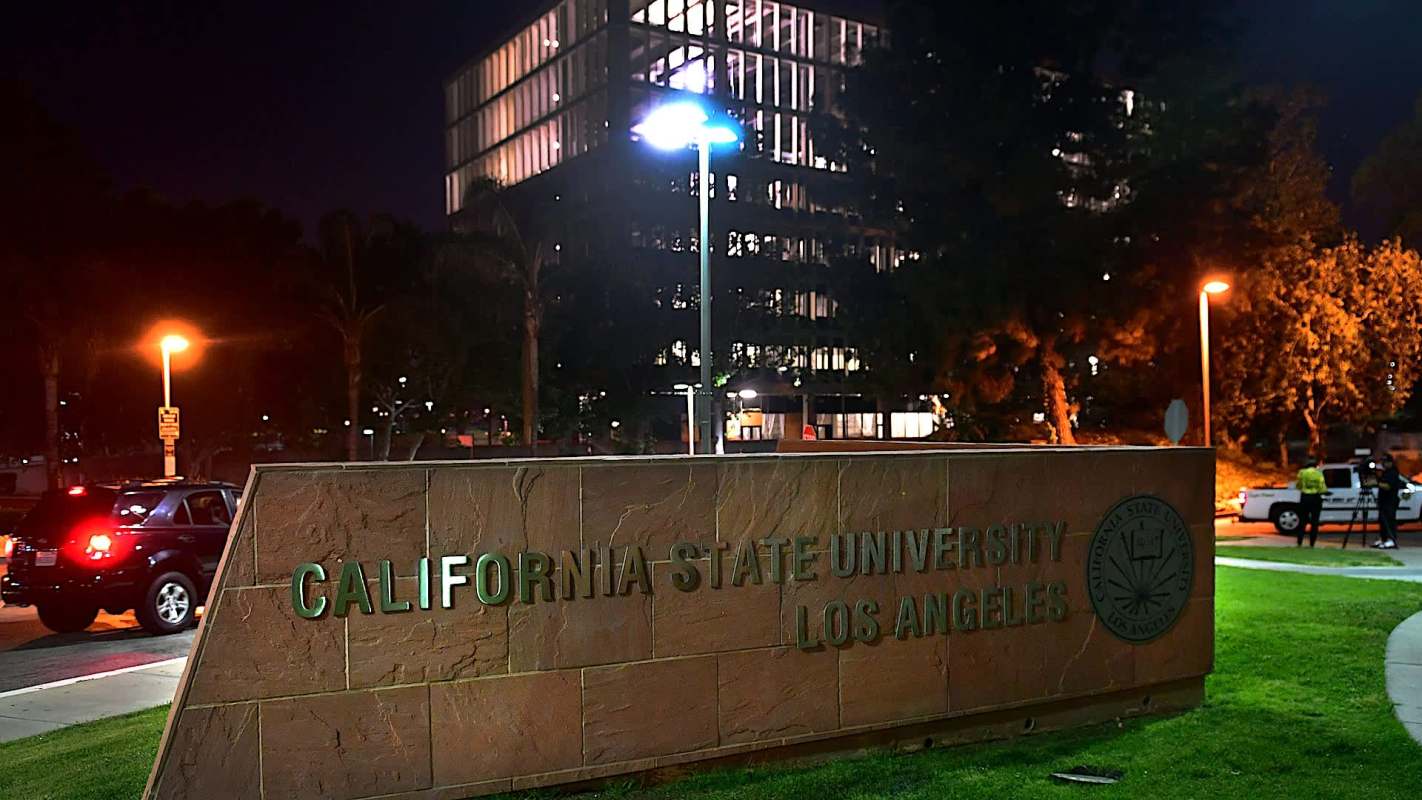
Even with local housing costs squeezing students, Cal State Los Angeles has left nearly 700 dorm beds out of use for years, LAist reported.
Officials say the campus sits in what they call a "highly housing challenged area."
What happened?
According to LAist, about 700 beds at Cal State L.A. are unavailable because of maintenance issues and insufficient funding.
The California State University 2025 Systemwide Housing Plan estimates the campus needs about 500 beds, meaning the unused supply alone could more than cover that shortfall.
In a statement to the outlet, university spokesperson Erik Hollins explained the situation.
"The deferred maintenance happened over a period of several years, under previous leadership for the university and housing," he began.
TCD Picks » Quince Spotlight
💡These best-sellers from Quince deliver affordable, sustainable luxury for all




"The pandemic certainly appears to have been a factor. Addressing accumulated maintenance and then getting those units back in circulation has been a focus of new leadership," Hollins added.
No maintenance funds were allocated in the fiscal year 2024-25 housing budget posted online, even though Housing and Residence Life, or HRL, oversees upkeep through its own budget funded by student rent and meal plans.
Cal State L.A.'s student-run news organization reported that "work orders for maintenance by those residents have gone unanswered for months, or even in some cases for several consecutive semesters."
The unused housing stock includes buildings erected in 1984 to accommodate athletes during the Los Angeles Olympics.
Why does it matter?
When usable dorm space sits empty during a housing crunch, students may end up paying more in rent, commuting longer distances, or putting off plans to live on their own.
On-campus housing can also offer more predictable costs in a city where rent prices are often volatile.
Aging buildings need investment, but lower occupancy can make that investment even harder to fund.
What can I do?
Cal State L.A. says it is working to reverse the situation.
Hollins said university leaders are "reengaging" students about the benefits of living on campus while also trying to modernize older facilities and improve perceptions shaped by years of deferred maintenance.
The university also told auditors that it would take short-term steps to increase occupancy and student engagement and to improve facilities while pursuing plans to renovate older housing and improve affordability.
Those plans include partnerships with community colleges, larger summer conference programs, and a requirement that first-year students live on campus.
Because its apartment complexes are aging, HRL has also been forced to pay for unanticipated emergency repairs and planned maintenance projects that have challenged its budget," auditors wrote.

Get TCD's free newsletters for easy tips, smart advice, and a chance to earn $5,000 toward home upgrades. To see more stories like this one, change your Google preferences here.






