


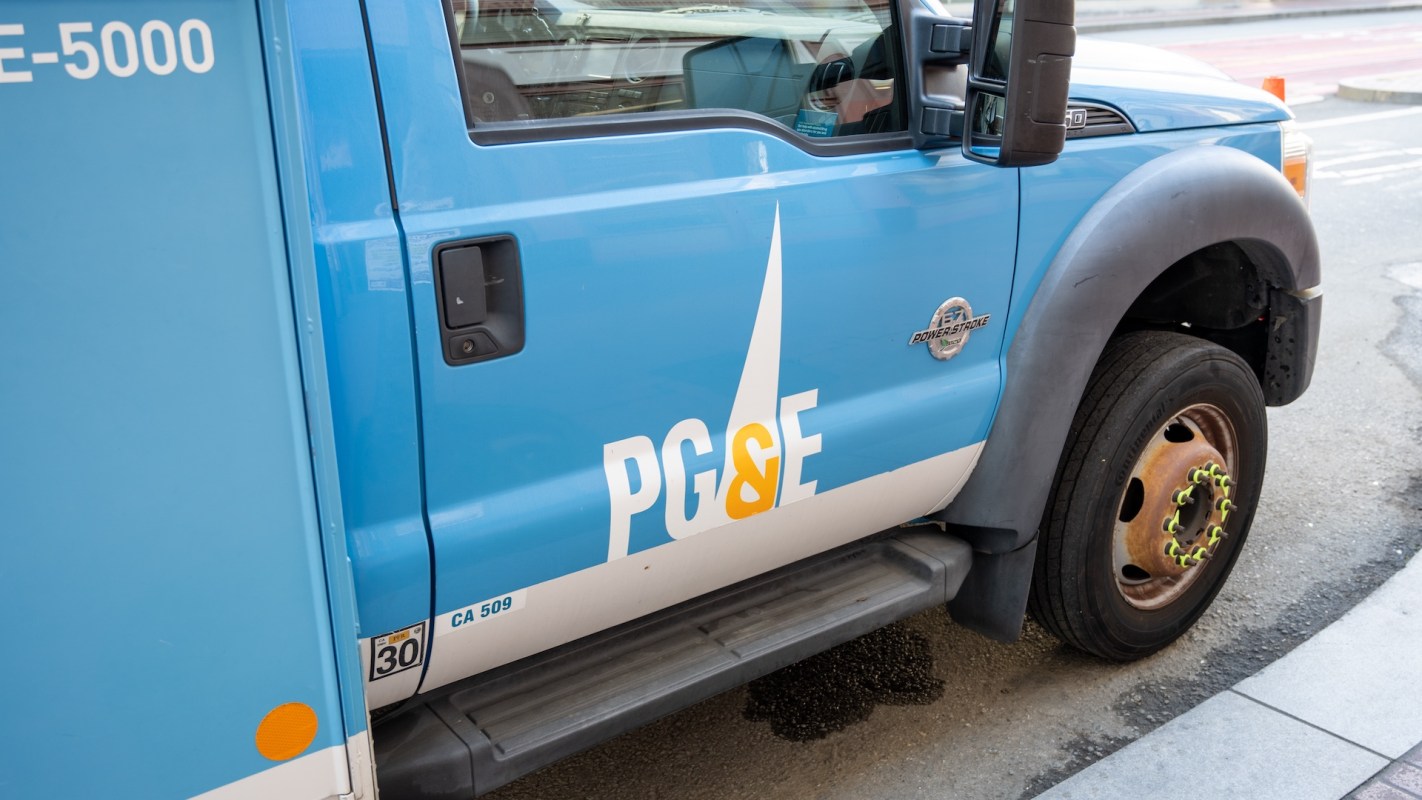
PG&E says its rates are stabilizing, but an independent estimate from the California Public Utilities Commission's Public Advocates Office suggests California customers could still face even higher bills.
By 2030, the average household could be paying about $840 more per year, even as state leaders debate electricity affordability and wildfire liability reforms, an opinion essay in the San Francisco Chronicle explained.
What's happening?
As California lawmakers and Gov. Gavin Newsom weigh major electricity-affordability proposals, including utility wildfire liability reform, the editorial highlighted a new warning for PG&E customers.
It cited an independent review from the California Public Utilities Commission's Public Advocates Office, which represents ratepayers.
Moreover, it estimated that a typical customer could see about $840 in extra annual costs by 2030.
That would come after a 69% increase that PG&E customers have already absorbed over the past 10 years.
TCD Picks » Quince Spotlight
💡These best-sellers from Quince deliver affordable, sustainable luxury for all




PG&E is trying to recover billions in outstanding costs from customers and has $1.05 billion in memorandum accounts that are expected to be billed to ratepayers, the essay noted.
Why does it matter?
Another $840 a year for electricity would further raise household expenses.
It could mean tougher choices about running air conditioning during heat waves, charging an electric vehicle, or simply covering rent, groceries, and other essentials.
The projection also raises the question of who should bear the cost of utility business decisions. When a company can accumulate billions in expenses and later ask regulators to fold them into customer bills, households can end up absorbing risks they did not create.
TCD Picks » Quince Spotlight
💡These best-sellers from Quince deliver affordable, sustainable luxury for all
That concern comes as residents are being encouraged to electrify their homes and transportation to cut pollution and reduce energy use over time.
If electricity becomes less affordable, those climate-friendly upgrades may feel increasingly out of reach for families already under financial pressure.
The dispute also centers on PG&E's messaging about "rate stabilization" even as the underlying numbers point to higher bills ahead.
What's being done?
Sacramento lawmakers are considering several measures that could shape how much of these costs is passed on to household bills.
Senate Bill 1098, authored by state Sen. Sasha Renée Pérez, would close a billing loophole used by the state's utilities.
Senate Bill 886, introduced by state Sen. Steve Padilla, would stop utilities from passing AI data center costs on to ratepayers.
That would address a growing concern as power-hungry computing infrastructure expands and utilities seek ways to cover related costs.
The editorial also observed that any broader wildfire-cost reform package considered by Gov. Gavin Newsom and lawmakers should include protections in SB905 and SB1098.
The debate now turns on whether more of the utility's costs will be shifted onto household bills.

Get TCD's free newsletters for easy tips, smart advice, and a chance to earn $5,000 toward home upgrades. To see more stories like this one, change your Google preferences here.







