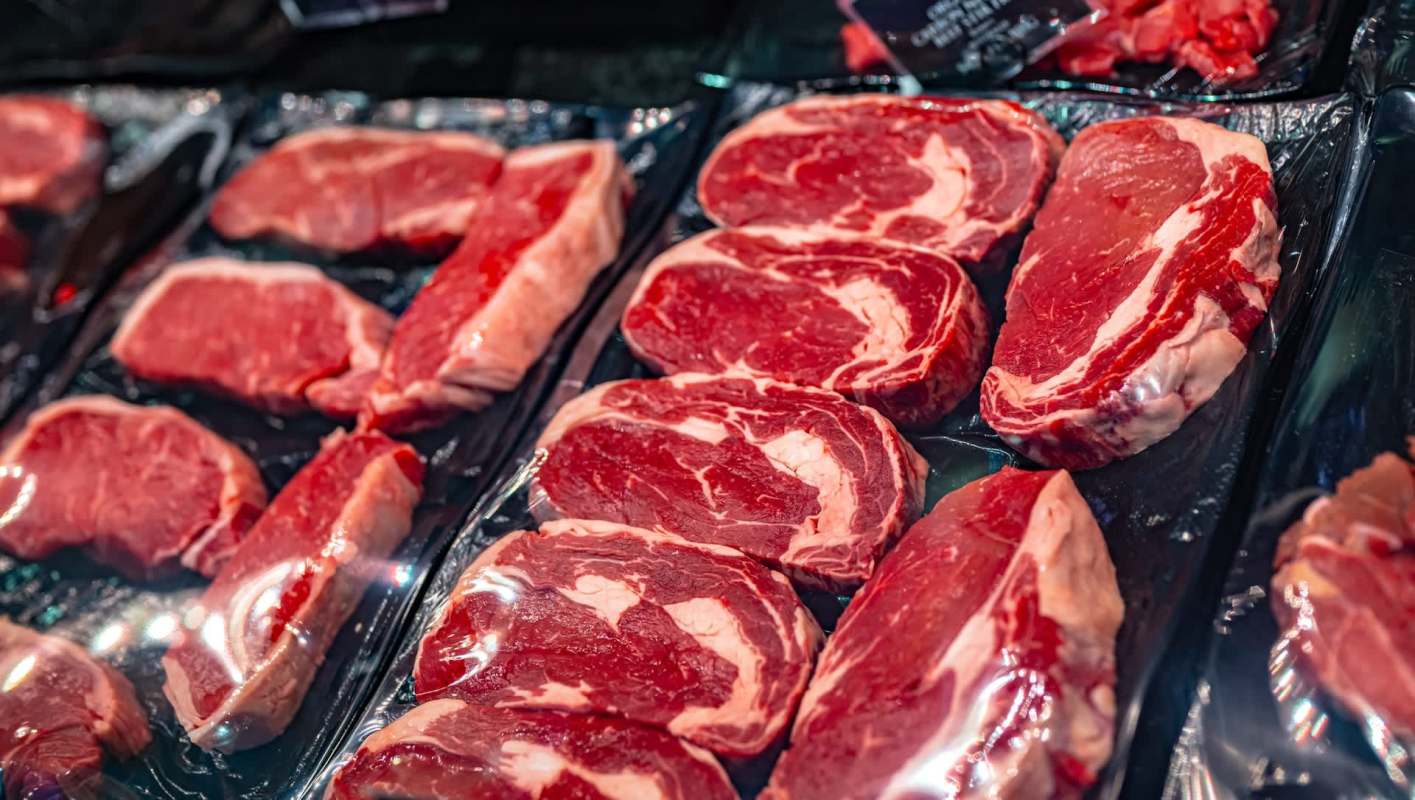
The USDA is recalling nearly 30,000 pounds of beef products imported from Argentina after they entered the country without the required US reinspection, then were transported to Texas and Florida.
Officials said the affected shipment includes several boneless cuts, and some packages may still be sitting in consumers' refrigerators or freezers.
What happened?
The recall, announced by the USDA's Food Safety and Inspection Service, noted that the products were produced between May 15 and May 20 of this year. The recall involves 29,628 pounds of raw beef products associated with Corte Argentino USA LLC.
These products have use-by or freeze-by dates from September 15 through September 20.
Sellers in Florida and Texas received the products before the issue was identified, according to The Provisioner. The recall applies to boneless Top Sirloin Butt, Eye Round, Topside Cap Off, Flat, and Knuckle cuts.
Consumers can identify the beef by its "Frigorifico Gorina SAIC" label, the Argentinian establishment number "EST. N° OF. 2025," and the shipping mark "26644-AA," per the FSIS.
TCD Picks » Quince Spotlight
💡These best-sellers from Quince deliver affordable, sustainable luxury for all




Why does it matter?
Imported meat is supposed to be checked before entering the U.S. food supply. And unfortunately, the beef that missed this required inspection step may still be in circulation. Consumers often portion, freeze, and store raw meat for weeks or months. A product purchased before a public recall is issued can remain in a freezer long after the warning goes out.
Meat typically moves through slaughterhouses, import systems, distributors, and retailers before reaching a dinner table. So, when oversight slips at any stage, consumers rely on public alerts, product traceability, and retailers to respond quickly.
Anyone who believes they may have become sick after eating the beef should immediately contact a health care provider.
The FSIS's guidance was clear: "Consumers who have purchased these products are urged not to consume them." It added that the products "should be thrown away or returned to the place of purchase."

Get TCD's free newsletters for easy tips, smart advice, and a chance to earn $5,000 toward home upgrades. To see more stories like this one, change your Google preferences here.