


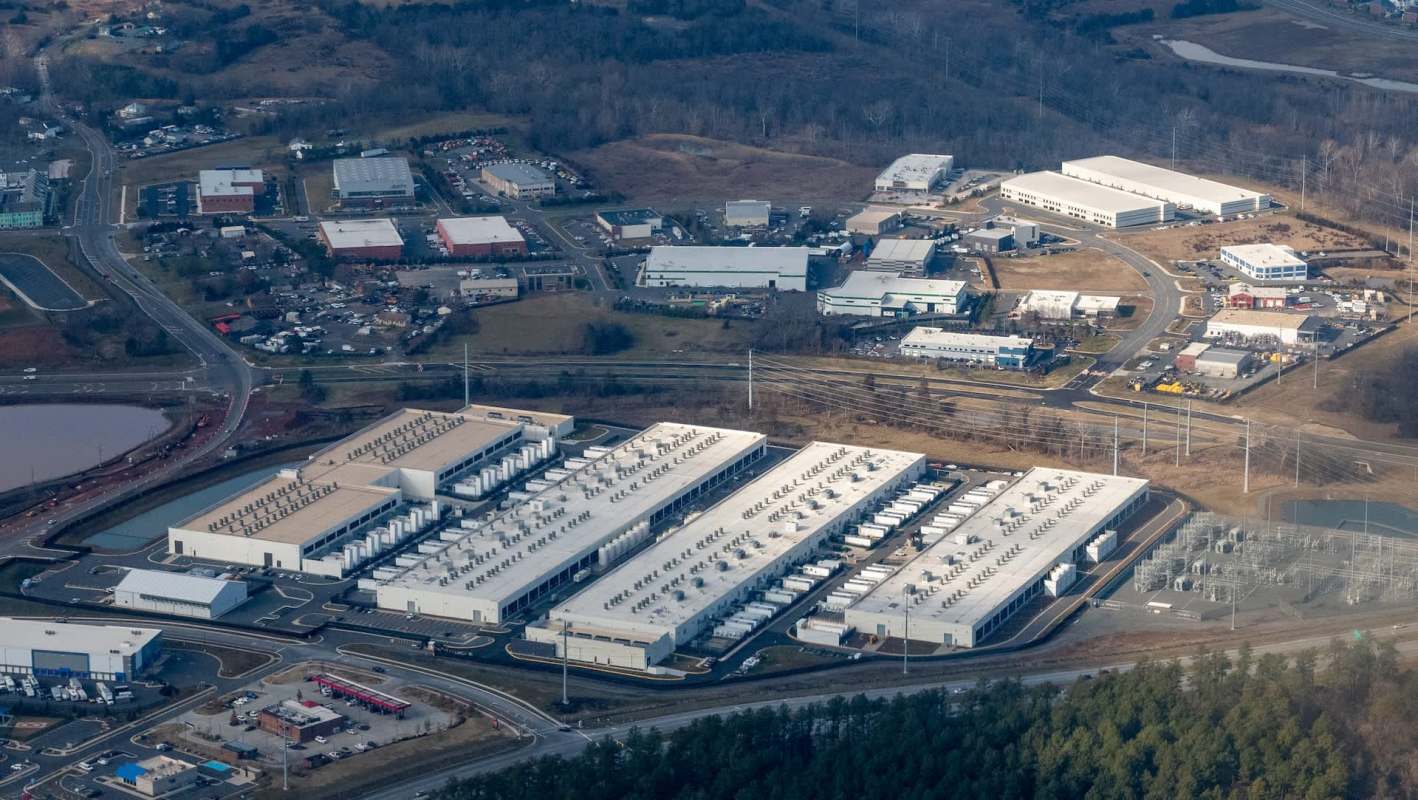
Amazon's race to build more artificial intelligence infrastructure is taking a major turn in West Texas.
Amazon has said its planned AI campus in Pecos County will be powered by gas generation built at the site, and the power project could surpass every other natural gas plant ever built in the U.S.
What happened?
Permitting records cited by Cleanview describe a 35-turbine plant with 7.65 gigawatts of generating capacity. Amazon later confirmed it had purchased the Pecos County land for the campus, and the plant is set to run separately from the Texas grid at first.
While facilities often emit less than their permits allow, a state permit issued in January authorizes GW Ranch to release as much as 33 million tons of carbon dioxide annually.
If emissions ever reached that ceiling, the site would rank as the nation's largest single pollution source.
Amazon said relying on newly built on-site generation means the development should not raise electricity costs for Texans. The company added that the campus is meant to connect to the grid over time and that it plans to use non-potable brackish groundwater instead of drinking water or irrigation supplies.
TCD Picks » Quince Spotlight
💡These best-sellers from Quince deliver affordable, sustainable luxury for all




Why does it matter?
According to Cleanview, data center developers have announced nearly 60 behind-the-meter gas projects since the start of 2025, totaling about 90 gigawatts. The surge underscores how much electricity AI data centers require to run servers, cooling equipment, and networking systems, leading more sites to line up dedicated power supplies.
AI can help utilities forecast energy demand, integrate renewable sources, and optimize grid operations. But the technology also brings high energy use, heavy water demand for cooling, cybersecurity concerns, misuse risks, and the possibility that new infrastructure could contribute to higher costs or more pollution.
If more companies pursue fossil-fuel-powered data centers, communities could face more climate pollution and local environmental strain as AI tools become more deeply woven into work, healthcare, logistics, and daily life.
What's being done?
Amazon has said its Climate Pledge target of net-zero carbon emissions by 2040 still stands, even as the company's emissions have been rising. It also said it has backed 10 gigawatts of carbon-free power from 40 Texas projects tied to its existing data center operations.
Pacifico Energy, the developer behind GW Ranch, said the site could eventually add up to 750 megawatts of on-site solar and 1.8 gigawatts of battery storage. Those additions could help reduce reliance on gas over time, though the project's core power source remains fossil-fuel-based.
"Amazon believes in paying the full costs of powering our operations," a spokesperson said, per Cleanview. "Our new planned data center campus in Pecos County does just that: it's powered by new on-site generation that won't raise electricity costs for Texas families and designed to transition to grid-connected service as interconnection timelines allow."

Get TCD's free newsletters for easy tips, smart advice, and a chance to earn $5,000 toward home upgrades. To see more stories like this one, change your Google preferences here.






