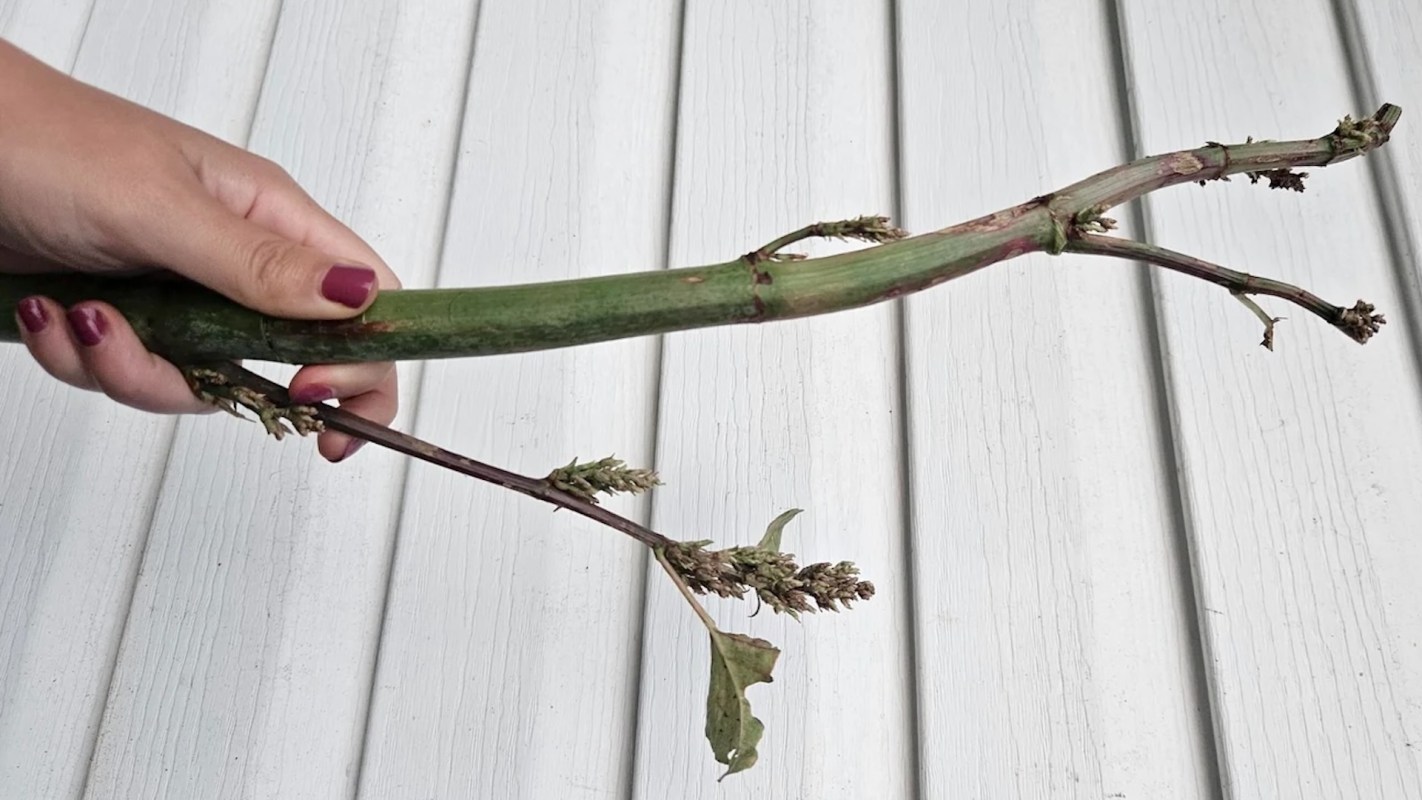
Japanese knotweed has a reputation for being incredibly difficult to kill, and one Canadian gardener got an unpleasant surprise after spraying a patch in June.
Instead of disappearing, the plant came back looking damaged, "angry," and somehow even more determined to keep growing.
What happened?
On Reddit, the homeowner explained that they had treated "a small batch of JK" near the back of the property in early June with Roundup containing 7% glyphosate.
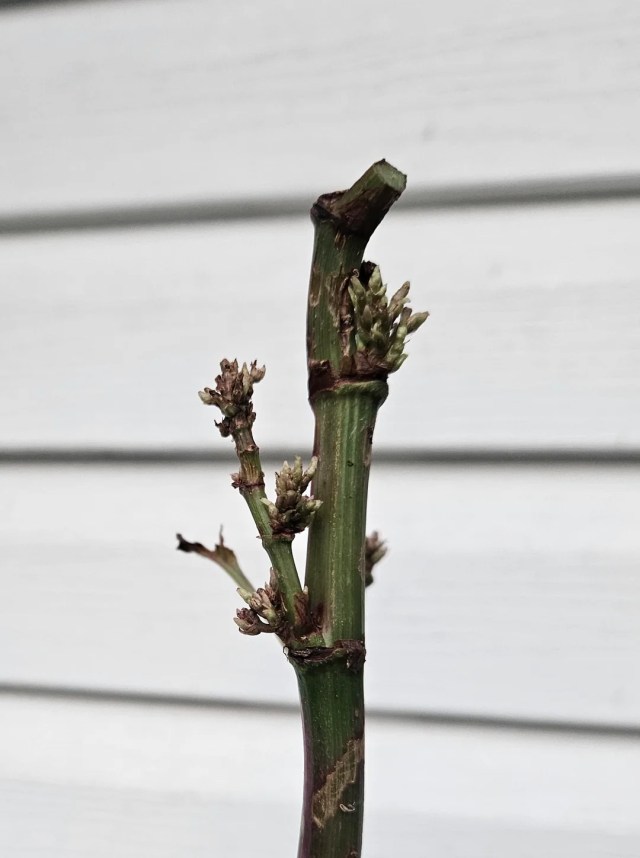
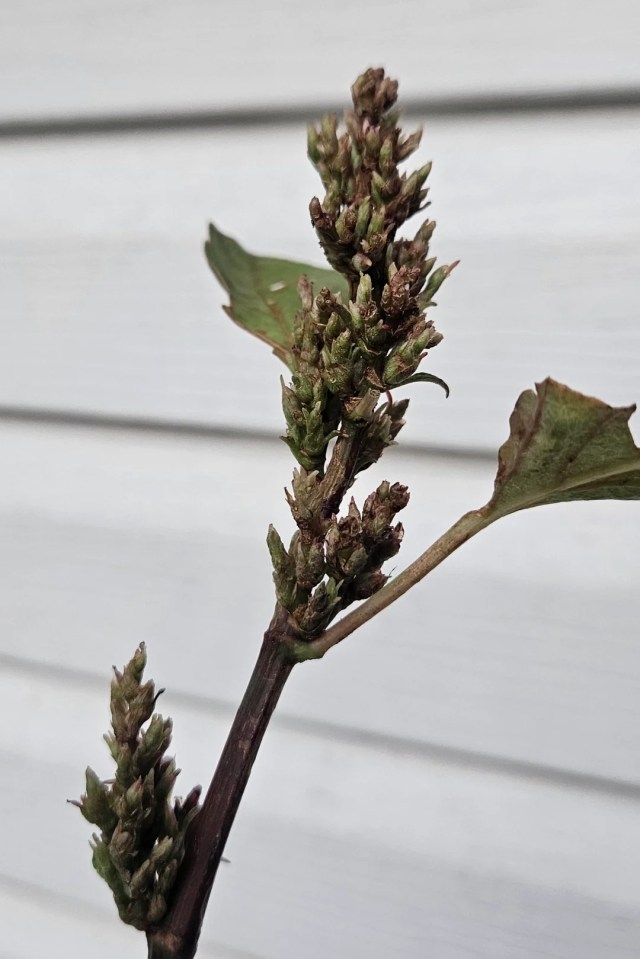
When they revisited the spot, one sprayed stalk was pushing out "tons of tiny buds." And despite being "very discolored," it "definitely [had] new growth."
The original poster also noted that the patch was hard to reach, so they "didn't spray very uniformly."
Rather than treating the odd regrowth as evidence of some new super-plant, commenters mostly portrayed it as a common response to incomplete control.
TCD Picks » Quince Spotlight
💡These best-sellers from Quince deliver affordable, sustainable luxury for all




One wrote, "That's a mutation commonly found in invasive species removal called 'sh*t, I've pissed it off and it's growing faster.'"
Another joked, "Haha a partially sprayed knotweed is an angry knotweed."
One of the more detailed replies said the strange appearance did not point to actual resistance.
"Japanese Knotweed as a whole just requires that every portion of the plant is fully killed off when spraying," the commenter said. "This individual is not resistant, but was likely only damaged from herbicide. Could have been application, rate, weather, etc. It's called herbicide injury [and] can make plants grow funny."
Why does it matter?
The discussion highlighted a common problem with tough invasives. Injuring the above-ground growth is not the same as eliminating the plant below the surface. If the root system survives, regrowth can look strange, and the cleanup can drag on.
For homeowners, that can translate into a longer, more aggravating fight that may require multiple rounds of treatment.
As one commenter explained, "It is far from a one and done application. It takes years to get rid of."
Knotweed can also overwhelm nearby plants, which limits the ability of local habitats to support pollinators and other wildlife.

Get TCD's free newsletters for easy tips, smart advice, and a chance to earn $5,000 toward home upgrades. To see more stories like this one, change your Google preferences here.