


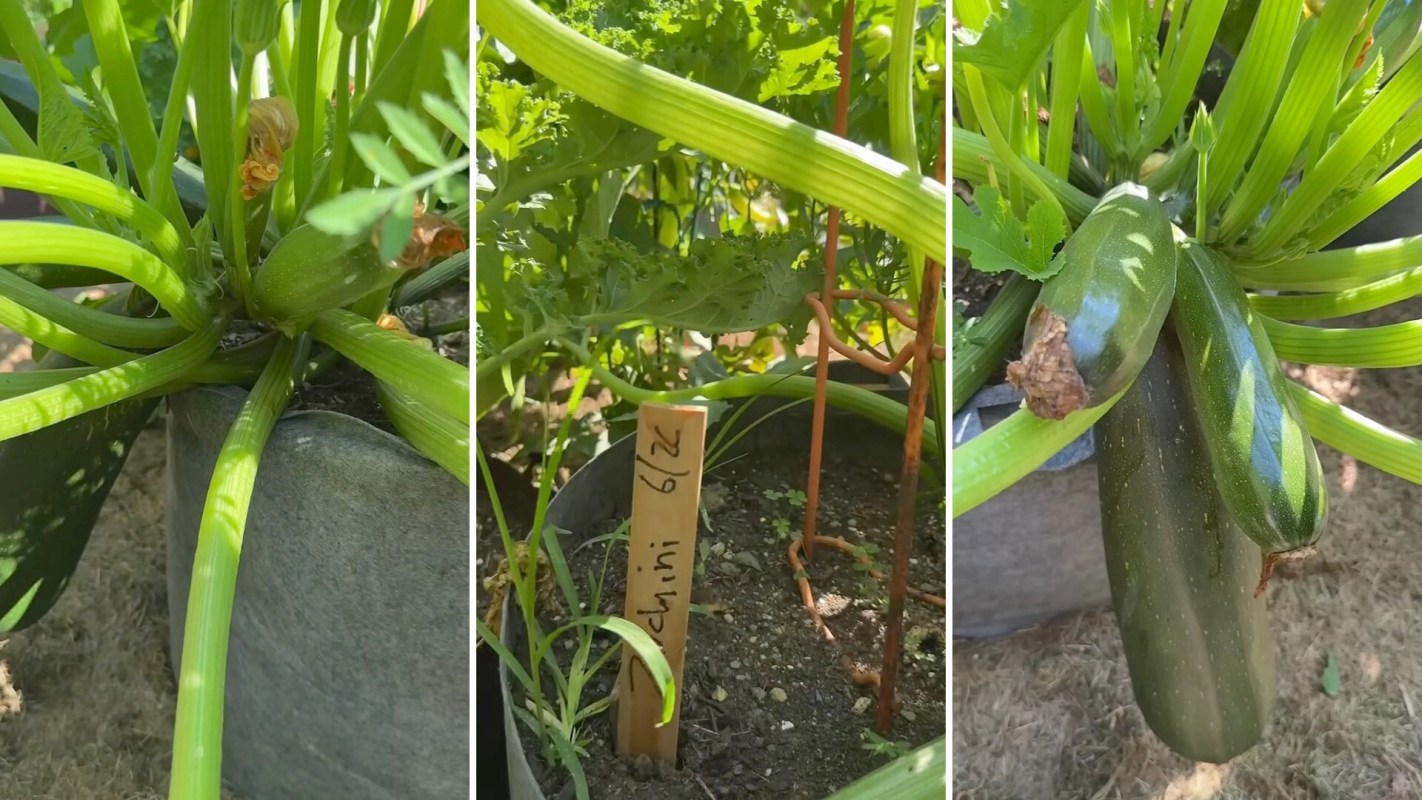
For gardeners whose zucchini is fading fast, a Maryland grower said the better move may be to replace tired plants rather than continuing to push them along.
His suggestion was straightforward: sow another round every four to six weeks.
What's happening?
In a YouTube video, gardener and content creator Gary Pilarchik (@TheRustedGarden) urged home gardeners to keep planting zucchini and cucumbers on a schedule instead of focusing on older squash plants that are already struggling with summer heat, insects, and disease.
To show what he meant, Pilarchik highlighted a zucchini planted on June 26 in a 20-gallon fabric pot.
He described it as "really, really productive" and said that "the secret is to plant zucchini throughout the growing season."
Pilarchik speculated that Maryland gardeners in Zone 7 can direct-seed summer squash "probably even into the first week of August."
TCD Picks » Quince Spotlight
💡These best-sellers from Quince deliver affordable, sustainable luxury for all




He framed that timing as useful because older plants often get "beat up from the heat, the insects, [and] the diseases," while newer sowings can remain vigorous and keep producing later in the season.
"It's been a battle this year … seriously a fight all the way," one commenter admitted.
"My container zucchini failed this year," another wrote. "One to 2 fruit per plant. So sad."
Why does it matter?
Zucchini can be one of the most rewarding backyard crops, but it can also become one of the most frustrating once older plants begin to decline.
Many gardeners keep spending time, water, and garden space on vines that are already headed downhill, as several commenters indicated.
Staggered planting can help people get more food from the same growing season, which can translate into significant savings on produce.
It can also lead to better-tasting meals, since homegrown zucchini can be picked young and eaten quickly rather than spending time in storage and shipping.
Gardening offers other benefits as well. Growing food at home can support healthier eating habits, provide light physical activity, and create a calming outdoor routine that boosts mental well-being.
It may also help reduce the all-at-once disappointment that can come when a single planting gets overwhelmed by pests or disease pressure.
What can I do?
If your squash patch is struggling, planting another round may be more practical than trying to revive every worn-out vine.
Following Pilarchik's advice means adding a few new zucchini or cucumber seeds every four to six weeks and checking your local climate and first frost date so later sowings still have enough time to mature.
Pilarchik's example also suggests containers can be part of the solution.
A large fabric pot can support productive zucchini, which may be especially helpful for people gardening on patios, driveways, or in yards with limited space.
If bugs or disease are the main issue, pulling severely damaged plants and replacing them with new ones may be less stressful than fighting a losing battle.
If your plants do rebound in a big way, commenters pointed out another perk — zucchini blossoms are edible too, giving gardeners one more way to enjoy the harvest.
"Yum, I like [zucchini] fried in a bit of olive oil with fresh onion, cilantro, seasoned with smoked garlic, salt and pepper," one viewer replied.

Get TCD's free newsletters for easy tips, smart advice, and a chance to earn $5,000 toward home upgrades. To see more stories like this one, change your Google preferences here.







