


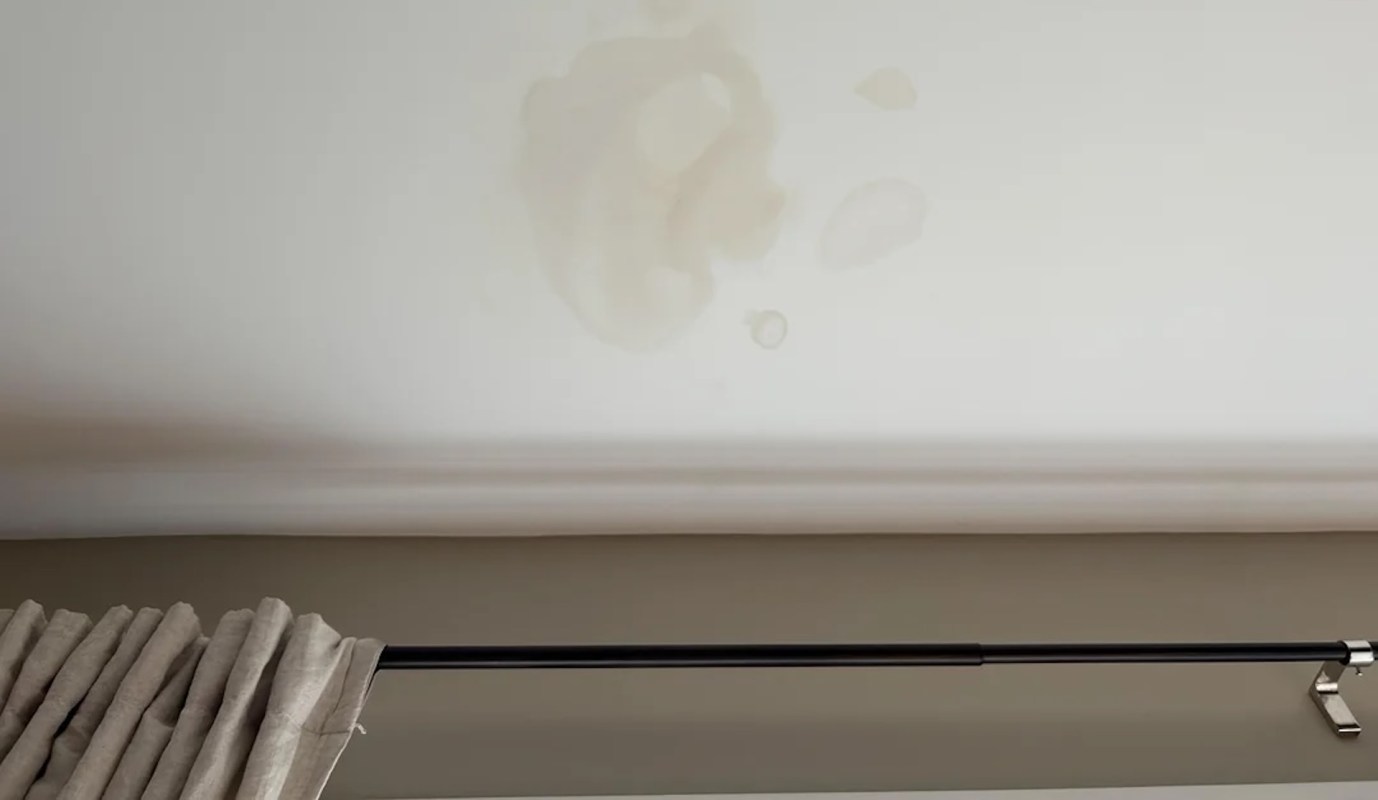
One homeowner's rooftop solar system became part of a larger repair mess, including a leaking roof, a stained ceiling, and an ongoing search for solutions.
What happened?
Solar can be a strong way to trim electricity costs over time, but those financial gains can disappear quickly when the installation is done poorly, or the service agreement leaves too much unanswered, as one Pennsylvania homeowner realized.
On Reddit's r/solar forum, the homeowner explained that they had 13-year-old solar panels on a 20-year-old roof. For the past year, there had been a leak beneath their panels, and it had been staining their ceiling. "After each heavy rain, new water stains appear," they said.
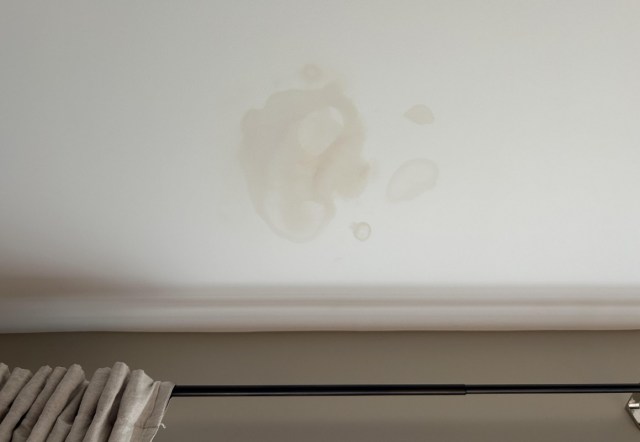
While there was clearly a problem somewhere, an independent roofing contractor told the homeowner that nothing was wrong with the roof. The solar contractor also tried and failed to fix the leak, and other companies weren't willing to step in due to liability concerns.
"I'm at a loss. Should I just get the panels removed and replace the whole roof? I can't afford that, but the roof has been leaking for a year," the original poster asked.
Why does it matter?
A properly designed rooftop system can help households cut monthly utility costs, but the benefits depend on the installation being done correctly and the roof lasting as long as the panels.
TCD Picks » Quince Spotlight
💡These best-sellers from Quince deliver affordable, sustainable luxury for all




When a roof is already nearing the end of its lifespan, future repairs can become far more complicated and expensive because the array may need to be removed and reinstalled. If the original installer is unresponsive or the contract does not clearly define responsibility for leaks and service, homeowners may find out too late that their options are limited.
In the home-electrification market, consumer confidence depends not only on strong technology but also on quality work and dependable after-sales support.
What can I do?
If you are considering rooftop solar, evaluate your roof first. If the roof is old or already showing signs of wear, replacing it before installation may be far less expensive than trying to work around the panels later.
Homeowners should also ask detailed questions before signing a contract: Who handles leak repairs? Is there a warranty? Will the company remove and reinstall panels for roof work later? What happens if the installer goes out of business or stops servicing older systems?
For homeowners considering solar, EnergySage's free tools let you compare competitive bids from local installers without giving up your contact information unless you decide to move forward. That can make it easier to vet installers, compare warranty terms, and ask about roof age before making a big purchase.
If a leak has already appeared, document everything, get an independent roof inspection if possible, and keep written records of all communication with the installer. The sooner the source of the leak is identified, the better the chances of preventing further interior damage.
As for this homeowner, Reddit users recommended several possible courses of action.
"Keep calling around to find someone competent," one advised.
"I had this issue as well with my solar company installer," another said. "I had to take them to court they paid for my entire roof to be repaired and had to reinstall the solar panels back on."

Get TCD's free newsletters for easy tips, smart advice, and a chance to earn $5,000 toward home upgrades. To see more stories like this one, change your Google preferences here.






