


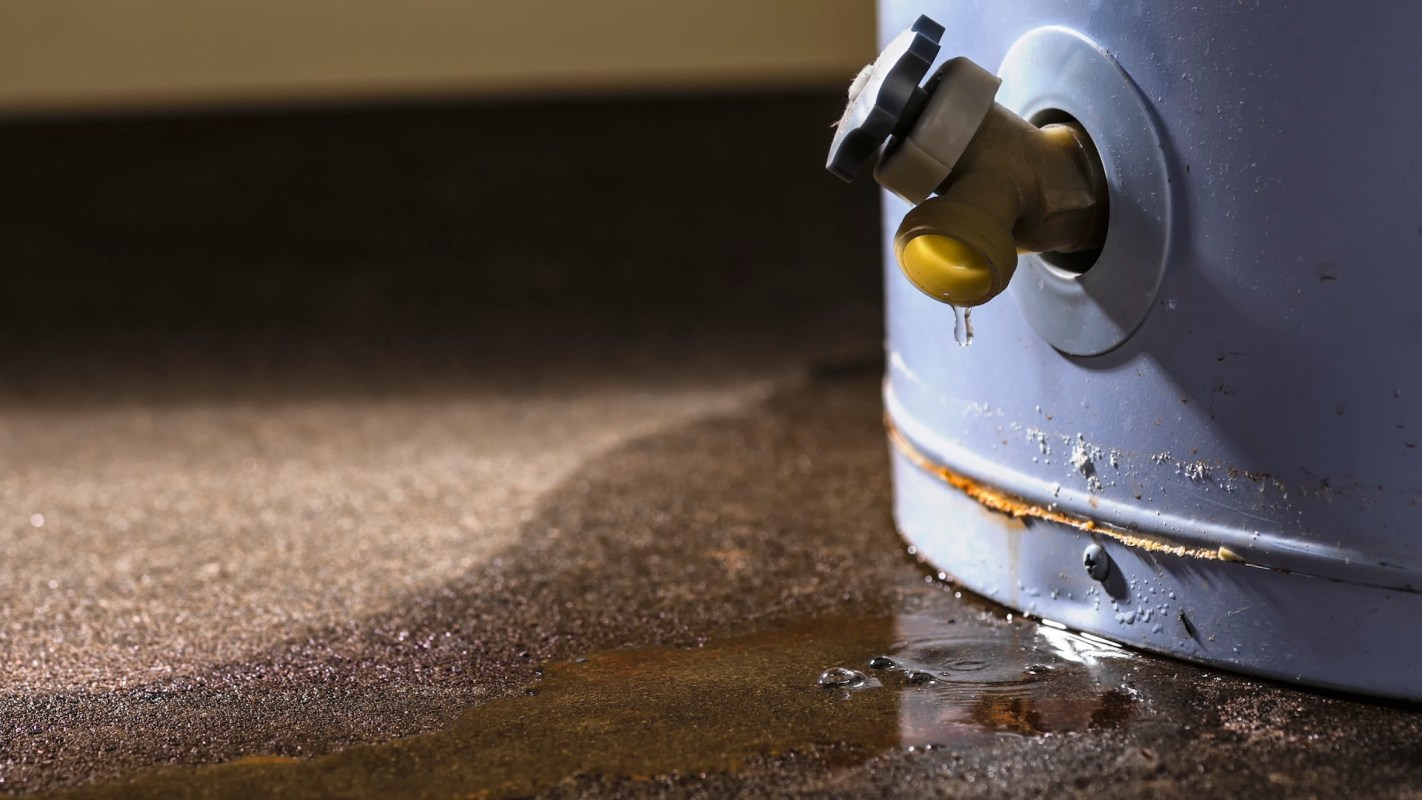
A flooded basement is a headache under any circumstances, but it feels even worse when the source is a water heater that is only seven years old.
After that happened, one homeowner went to Reddit to ask whether replacing the failed tank with a tankless system would be the smarter move before finishing the basement.
What happened?
A heat pump water heater is another replacement option that can change the equation. These systems typically use much less electricity than standard electric resistance units, which can lead to noticeably lower utility bills over the appliance's lifetime.
The discussion started in a post on Reddit, where the homeowner said a seven-year-old tank water heater had flooded the basement. Because they plan to finish that part of the home, they were considering tankless to lower the chances of another major leak and were also asking how long tankless units usually last.
Conventional tank water heaters often win on upfront price, but they also hold a volume of water that can end up on the floor if the tank fails. Tankless systems heat water only as needed, so they do not bring the same large-volume burst risk, although they can still leak and usually cost more to purchase and install.
Why does it matter?
When a water heater fails, the damage can reach far beyond the appliance itself: cleanup can be costly, drywall or flooring may be ruined, mold can become a concern, and it can take a long list of repairs before a basement is usable again.
The decision also shows up on monthly utility bills. Water heating accounts for a meaningful share of a home's energy use, so a more efficient unit can yield savings over time. Tankless models may cut standby losses, and heat pump water heaters can further reduce electricity use in many homes.
Lowering the energy required for hot water can also reduce the pollution associated with powering a home, especially when older, less efficient equipment is replaced.
Save $10,000 on solar panels without even sharing your phone number Want to go solar but not sure who to trust? EnergySage has your back with free and transparent quotes from fully vetted providers in your area. To get started, just answer a few questions about your home — no phone number required. Within a day or two, EnergySage will email you the best options for your needs, and their expert advisers can help you compare quotes and pick a winner. Solar panels can save you more than $50k over their 25-year lifespan, and EnergySage can help you save as much as $10k on installation. Which begs the question — isn't that worth an email or two? |

What can I do?
Before buying a replacement water heater, it helps to look at three basics: purchase price, expected lifespan, and operating cost. A lower-cost tank may seem like the obvious pick upfront, but a unit that lasts longer or uses less energy can save more over time.
Homeowners who want lower bills while keeping a familiar hot-water setup may also want to look at Cala. Its customizable smart heat pump water heaters help homeowners decrease their energy bills by heating water exactly when it's needed. That can help families with predictable routines, while also improving efficiency compared with more basic systems.
For homeowners repairing damage after a leak, the decision is about more than just tank versus tankless. Comparing incentives, installation requirements, and smart high-efficiency options such as Cala can help homeowners find a setup that better protects both the basement and the utility bill.
Once a basement has flooded, what could have been a routine appliance swap can become a much larger financial decision.

Get TCD's free newsletters for easy tips, smart advice, and a chance to earn $5,000 toward home upgrades. To see more stories like this one, change your Google preferences here.







