


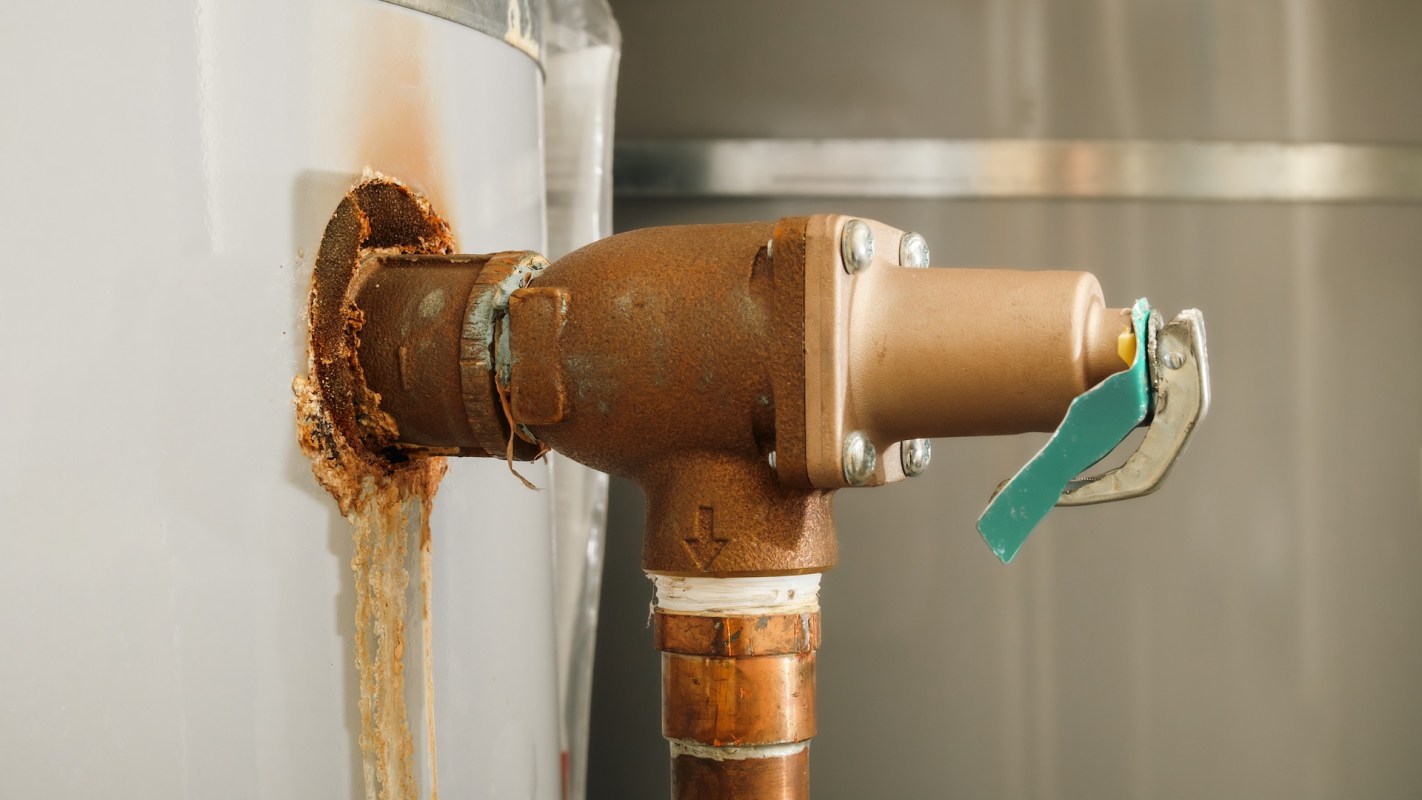
When a water heater has reached the end of its expected lifespan but still appears to be working fine, it is easy to tell yourself "just one more year." For one homeowner, however, a tank installed in 2015 and nearing its rated 12-year lifespan raised concerns about whether it was time for a replacement.
The homeowner turned to the internet for advice.
What's happening?
In a post on Reddit, the homeowner raised a common home-maintenance question: whether to replace an older water heater before it fails or keep using it until it does.
The homeowner explained that the current unit was installed in 2015 and is approaching the end of its 12-year rating. Even without visible issues or any interruption in hot water, a tank at that age can still begin to experience issues at any time.
When it comes to cost, neither option is cheap. Replacing the heater now can seem unnecessary if the existing unit still has useful life left. On the other hand, waiting increases the chance of an emergency replacement after a leak, a burst tank, or a sudden loss of hot water. Additionally, a leaking or burst water heater can cause significant damage to one's home.
Cost enters the equation in another way, too. With newer, more energy-efficient water heating options, such as heat pump water heaters, now available, upgrading can translate into significant savings on household utility bills.
Why does it matter?
Water heater failures can end up costing far more than the appliance itself. A leaking tank can damage flooring, drywall, stored belongings, and nearby appliances, especially if it is located in a finished part of the home.
There is also the cost of urgency. Emergency replacements often leave homeowners choosing the fastest available model, which can lead to higher installation costs and fewer opportunities to compare efficiency, rebates, and long-term savings.
Save $10,000 on solar panels without even sharing your phone number Want to go solar but not sure who to trust? EnergySage has your back with free and transparent quotes from fully vetted providers in your area. To get started, just answer a few questions about your home — no phone number required. Within a day or two, EnergySage will email you the best options for your needs, and their expert advisers can help you compare quotes and pick a winner. Solar panels can save you more than $50k over their 25-year lifespan, and EnergySage can help you save as much as $10k on installation. Which begs the question — isn't that worth an email or two? |

A planned replacement, by contrast, gives households time to choose the setup best suited for their home and budget. Water heating is one of the largest energy loads in many homes, so the water heater model a homeowner chooses can significantly impact monthly utility bills for years to come.
What can I do?
If your water heater is nearing the end of its expected life, it can help to start with a basic risk check: note its age, look for rust or corrosion, listen for popping or rumbling, and watch for any moisture around the base. The case for proactive replacement can be even stronger if the tank sits in a closet, attic, or finished area of the home where leaks could cause more damage.
It is also worth pricing out replacement options before you need one. That gives homeowners time to compare standard tanks with heat pump models, look into local rebates, and check whether they qualify for tax credits.
One option homeowners may want to look at is Cala. Cala's customizable smart heat-pump water heaters help homeowners decrease their energy bills by heating water exactly when it's needed. Instead of heating water and then keeping it hot until it is used, Cala's smart heat-pump water heaters are designed to match household demand more precisely, which can help reduce wasted energy while still having hot water available when needed.
For someone deciding whether to replace a tank before it fails, that kind of efficiency can change the math considerably. Comparing upfront costs with long-term savings from models such as Cala can make a proactive upgrade feel less like paying early and more like avoiding a bigger bill later, while potentially cutting home energy costs in the meantime.

Get TCD's free newsletters for easy tips, smart advice, and a chance to earn $5,000 toward home upgrades. To see more stories like this one, change your Google preferences here.






