


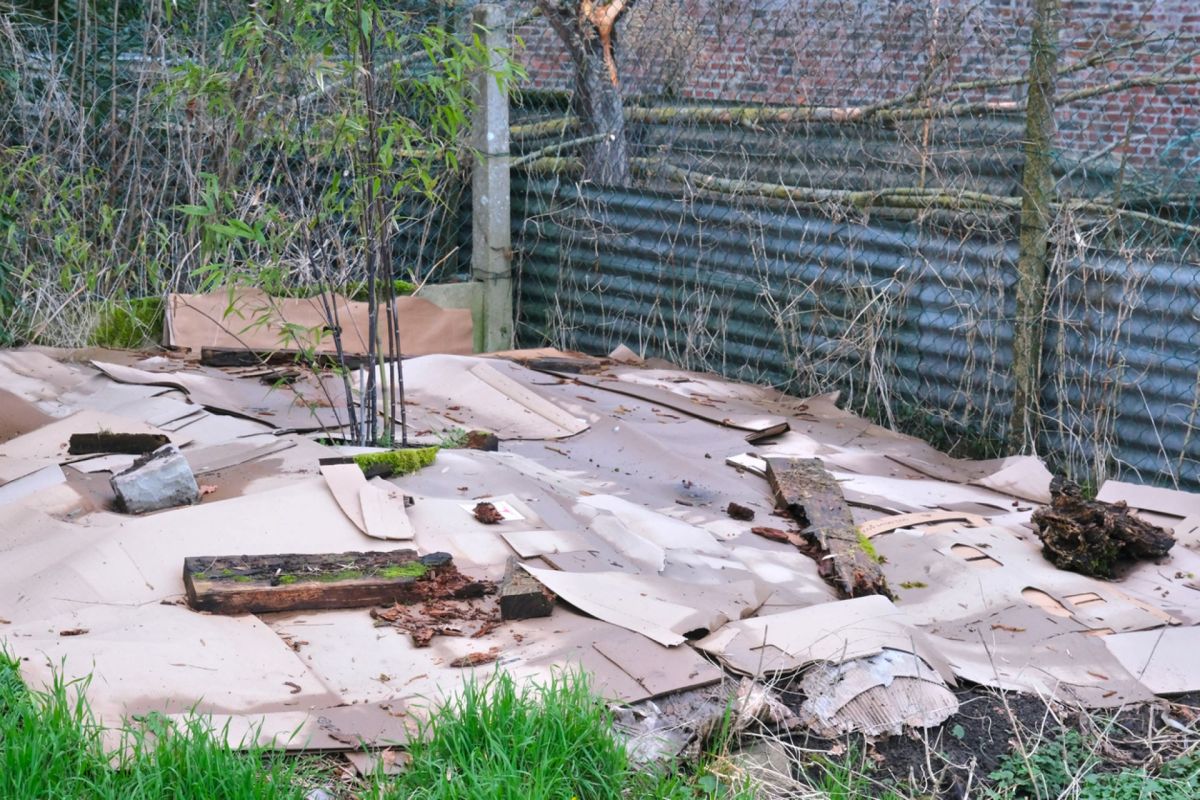
A simple backyard experiment is giving gardeners fresh fuel in a long-running debate over whether cardboard belongs under a no-till bed. In a Reddit post, one gardener said a half-inch layer of cardboard had fully broken down in just six weeks, challenging claims that it lingers long enough to seriously smother soil life.
What happened?
In r/gardening, a post described a no-till bed in which the cardboard beneath disappeared much sooner than skeptics of the method say it will.
Cardboard has become a popular, low-cost tool for gardeners trying to suppress weeds without tilling, herbicides, or expensive landscape materials. In many home gardens, it is layered under compost or mulch to block light and help prepare new beds.
Replies to the post emphasized that this kind of breakdown timeline can vary from place to place, with rainfall, moisture, overall climate, and the thickness of the cardboard all affecting how quickly the material decomposes.
Why does it matter?
If cardboard breaks down more quickly than feared in some conditions, it may be a useful option for starting beds while reducing reliance on chemical weed control and intensive digging.
Gardening itself can also come with a long list of consumer benefits. Growing some of your own food can help lower grocery bills, especially for herbs, greens, and other high-turnover produce. Many people also find that homegrown fruits and vegetables taste better than store-bought options that traveled long distances.
TCD Picks » Quince Spotlight
💡These best-sellers from Quince deliver affordable, sustainable luxury for all




Building healthy garden beds without heavy chemical use can support soil health over time, and no-till approaches are often favored by growers who want to disturb the soil as little as possible.
What can I do?
Decomposition can vary based on numerous factors, so it helps to treat the method as flexible rather than universal.
Gardeners can start small by testing one bed at a time. Plain brown cardboard without glossy coatings, tape, or heavy inks is generally the best place to begin. Covering it with compost or mulch and keeping an eye on moisture can help it break down into the soil more effectively.
If your main goal is weed suppression without synthetic products, the TCD Guide to controlling weeds without chemicals includes other simple strategies that can work alongside mulching.

Get TCD's free newsletters for easy tips, smart advice, and a chance to earn $5,000 toward home upgrades. To see more stories like this one, change your Google preferences here.







