


A pool is often seen as one of the simplest perks of condo living. But at one New Jersey community, residents say access to that shared amenity has become sharply divided.
At The Club at Jackson 21 in Ocean County, homeowners have lodged discrimination complaints over a pool schedule that sets aside roughly 75% of the available swim time for separate men's and women's hours.
What happened?
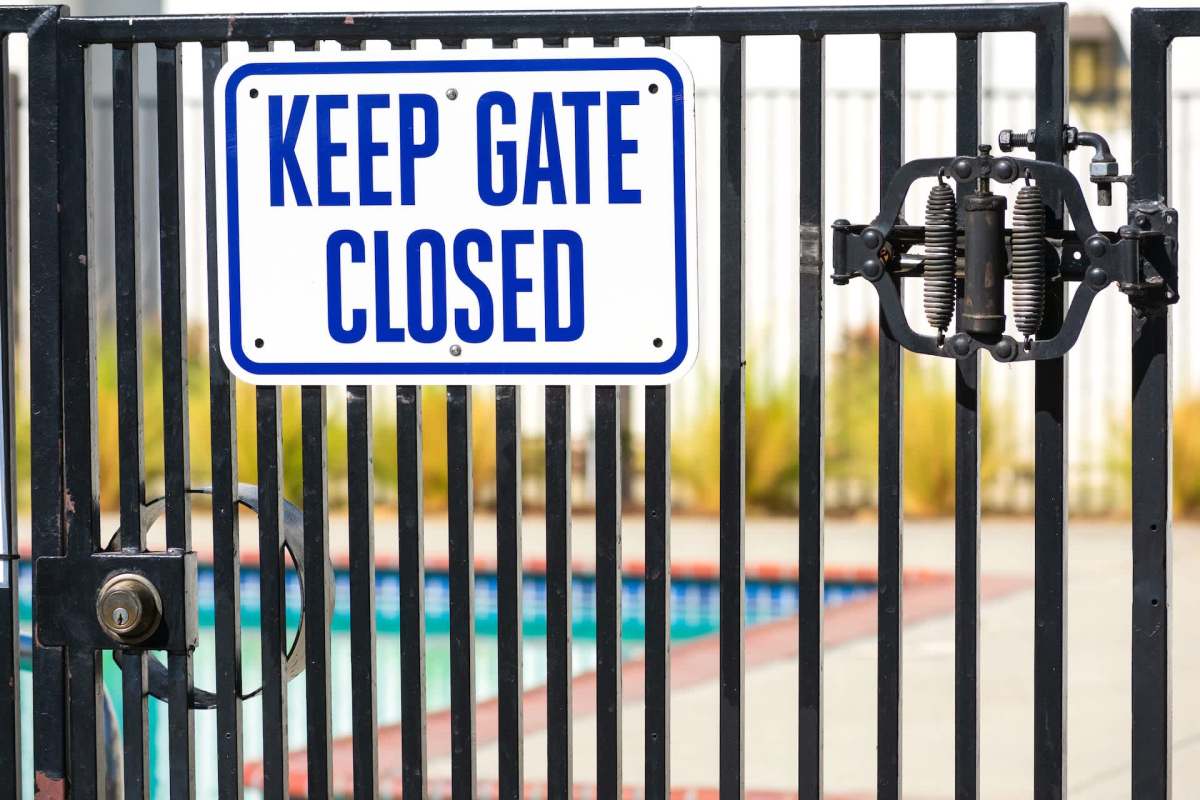
Residents from the 465-townhome community told New Jersey 101.5 that the pool area was enclosed with a fence and that posted notices set out gender-segregated swim times for the 2025 and 2026 seasons.
According to residents, the developer had given control of the homeowners association (HOA) before the development had hit 75% occupancy. They claim that the policy was put into place to accommodate a growing number of observant Orthodox Jewish neighbors whose religious practices require men and women to swim separately. Men and women must also wear modest swimwear that covers large areas of their body.
The rest of the development identifies as secular.
Multiple residents filed a gender discrimination claim with the New Jersey Division on Civil Rights, arguing that it's unfair they aren't allowed access to community amenities like the pool they pay for.
TCD Picks » Quince Spotlight
💡These best-sellers from Quince deliver affordable, sustainable luxury for all




"Our pool was beautiful. It felt like we were at a resort," resident Sunny Burrough told New Jersey 101.5. "It's 2026 — how can we segregate by gender and/or religion? We should have freedom, and we all live in this community. There are a lot of different ethnicities, races, religions."
Why does it matter?
Shared amenities are part of what people pay for when they buy or rent in an HOA-governed community.
In 2019, the New Jersey 3rd U.S. Circuit Court of Appeals invalidated a similar condo pool policy in Lakewood, ruling that it was "plainly unequal in its allotment of favorable swimming times."
Across the country, some associations have drawn criticism for blocking money-saving home upgrades such as rooftop solar panels and native plant lawns, creating conflicts over what homeowners are allowed to do with property they pay for.
What's being done?
The residents' complaints are now before the New Jersey Division on Civil Rights, which will determine whether there is probable cause to move the matter forward.
On Aug. 6, Michael Karpoff, attorney for the Club at Jackson 21 HOA, filed a position statement arguing that the Jackson policy is not the same as the one struck down in Lakewood. The filing said: "Thus, where males and females are treated the same even if they are separated, there is no discrimination based on sex or gender," according to New Jersey 101.5.
Karpoff also argued that eliminating segregated hours would negatively affect observant Orthodox Jewish residents and said the board was trying to "accommodate everyone's interests." The filing, according to New Jersey 101.5, asked state officials to throw out the complaints for lack of probable cause.
For homeowners in other communities, disputes like this highlight the importance of understanding HOA bylaws, meeting procedures, and complaint channels. If you live in an HOA community and want to push for change — whether over amenity access or home-improvement restrictions — The Cool Down's guide on working with HOAs can help explain where to start.

Get TCD's free newsletters for easy tips, smart advice, and a chance to earn $5,000 toward home upgrades. To see more stories like this one, change your Google preferences here.






