


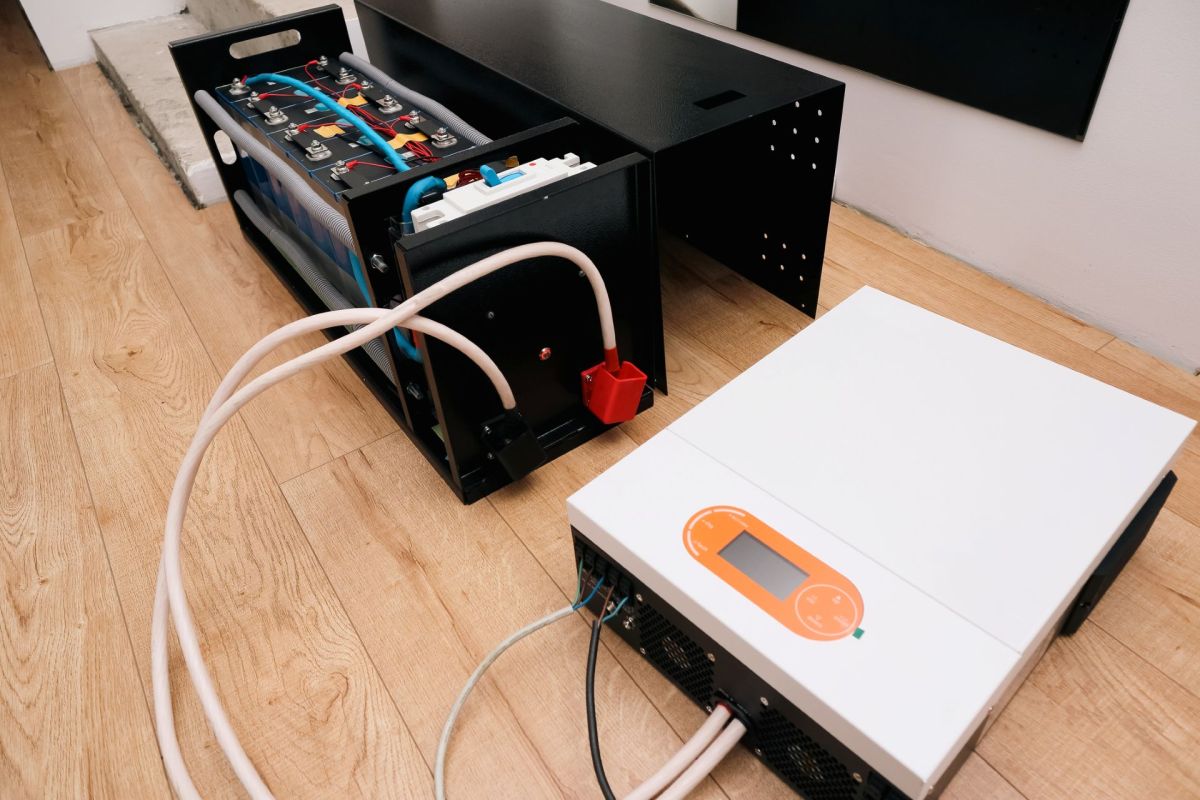
Australian households can already use home batteries to reduce their electricity bills, yet many still do not want to give a virtual power plant even partial control over the stored energy.
That caution could be costing them, since new research indicates VPP participation may deliver larger savings, as Renew Economy reported.
What's happening?
According to a new Energy Consumers Australia (ECA) study, interest in virtual power plants tends to be strongest while people are still researching a battery, and then fades after installation.
In a VPP, home batteries and solar systems are integrated so that stored electricity can be fed back into the grid when demand spikes. That can help keep the grid stable while also generating financial rewards for participating households.
Questions about trust and control remain central to the issue, per Renew Economy. Australians have widely adopted batteries to lower power bills and gain greater energy independence, and about one-quarter of surveyed households said they bought a battery because they ultimately hope to go off-grid.
The outlet noted an Australian Competition and Consumer Commission (ACCC) inquiry found that in 2025-26, median annual power costs for households with solar and batteries were $329 to $909 lower than for standard customers. For homes participating in VPPs, the same inquiry found median annual bills were $762 to $1,093 lower.
TCD Picks » Quince Spotlight
💡These best-sellers from Quince deliver affordable, sustainable luxury for all




Why does it matter?
Australia's home battery rollout is moving quickly. With nearly half a million storage units installed across the country, even modest changes in how those systems are used could meaningfully affect both household energy costs and the wider power system.
Renew Economy reported that the Australian Energy Market Operator expects 53% of battery owners to join VPPs by 2050, a shift projected to avoid about $7.2 billion in additional generation and network costs.
The study indicates that these concerns about falling well short of that are not baseless. Current tariffs can make it more attractive to use stored electricity at home than to export it, Renew Economy noted.
What's being done?
The report lays out several ways governments, networks, and operators could make VPPs more attractive. One suggestion is tariff reform that would more clearly reward households for both importing and exporting electricity, instead of mainly steering them toward self-consumption, according to Renew Economy.
Stronger consumer safeguards are also a major part of the discussion. ECA and the ACCC both support tougher protections, and the outlet said one proposal is a consumer duty that would require aggregators to act in their customers' interests. That could help homeowners feel more comfortable.
Renew Economy reported the study also highlighted practical steps to boost participation, such as listing VPP offers on government-run energy comparison websites or connecting larger battery subsidies to VPP sign-ups in grid-constrained areas.
Battery size could also help VPPs gain traction, per the outlet. The average new home battery still comes in at 22.6 kilowatt-hours even after May policy changes pushed the market toward smaller systems. That means meaningful grid benefits may require fewer households to participate.

Get TCD's free newsletters for easy tips, smart advice, and a chance to earn $5,000 toward home upgrades. To see more stories like this one, change your Google preferences here.






