


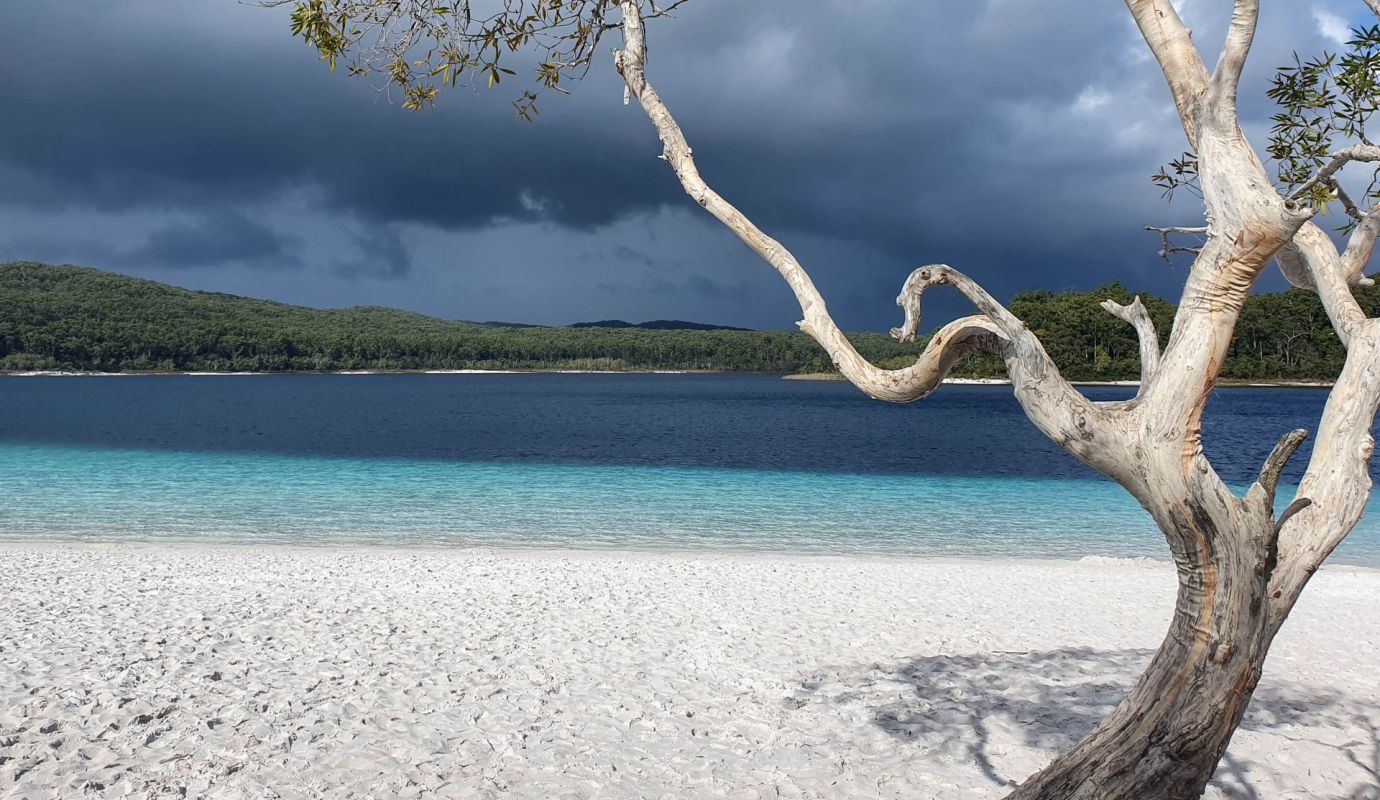
What started as a day out with family on K'gari became an impromptu rescue when a 10-year-old Queensland girl noticed a humpback whale stuck in shallow water.
Scarlett Smith moved to assist, trying to keep the whale wet as she waited for the tide to rise.
What happened?
According to 7News, she was out on Jet Skis with her mother, Chantel, when they came upon the humpback stranded close to shore.
Scarlett said she reacted immediately.
"I instantly just wanted to go check on it and try and help and do whatever I can to make it so it can be OK," she told the outlet.
As the family waited for the tide, Scarlett splashed water over the whale, which she nicknamed Willy. 7News reported that the animal made noises throughout the effort to keep it wet.
TCD Picks » Quince Spotlight
💡These best-sellers from Quince deliver affordable, sustainable luxury for all




Chantel said it appeared to respond to her daughter's efforts.
"Every time she'd stop splashing, it's like he'd make more noises," she said.
While the family had to leave before ensuring the whale made it to deeper water, they later learned that the returning tide helped the mammal free itself and make it back into the ocean.
"I'm just really happy that it's OK. The whole day I was sad because we were wondering if it was going to be OK," Scarlett told 7News.
Why does it matter?
Wildlife strandings can quickly become life-or-death situations. When large marine mammals are trapped in shallow water, they can experience severe stress, and even a short wait for the tide to turn can make survival uncertain.
What can I do?
If you come across a stranded marine animal, the safest first step is to contact local wildlife authorities, park staff, or marine rescue responders. Distressed large animals can behave unpredictably, so professional guidance is important for both human and animal safety.
If it is safe to do so, bystanders may be able to help by keeping the animal wet while waiting for experts to arrive. People should avoid crowding the animal, making loud noises, or trying to force a whale into deeper water without professional direction.
If you're looking to support wildlife and healthy ecosystems, you can look into taking local action or donating money to climate action causes.
Even small acts can help build a culture of care, whether that means supporting habitat protection, learning how to respond around wildlife, or teaching children to do the same.

Get TCD's free newsletters for easy tips, smart advice, and a chance to earn $5,000 toward home upgrades. To see more stories like this one, change your Google preferences here.







