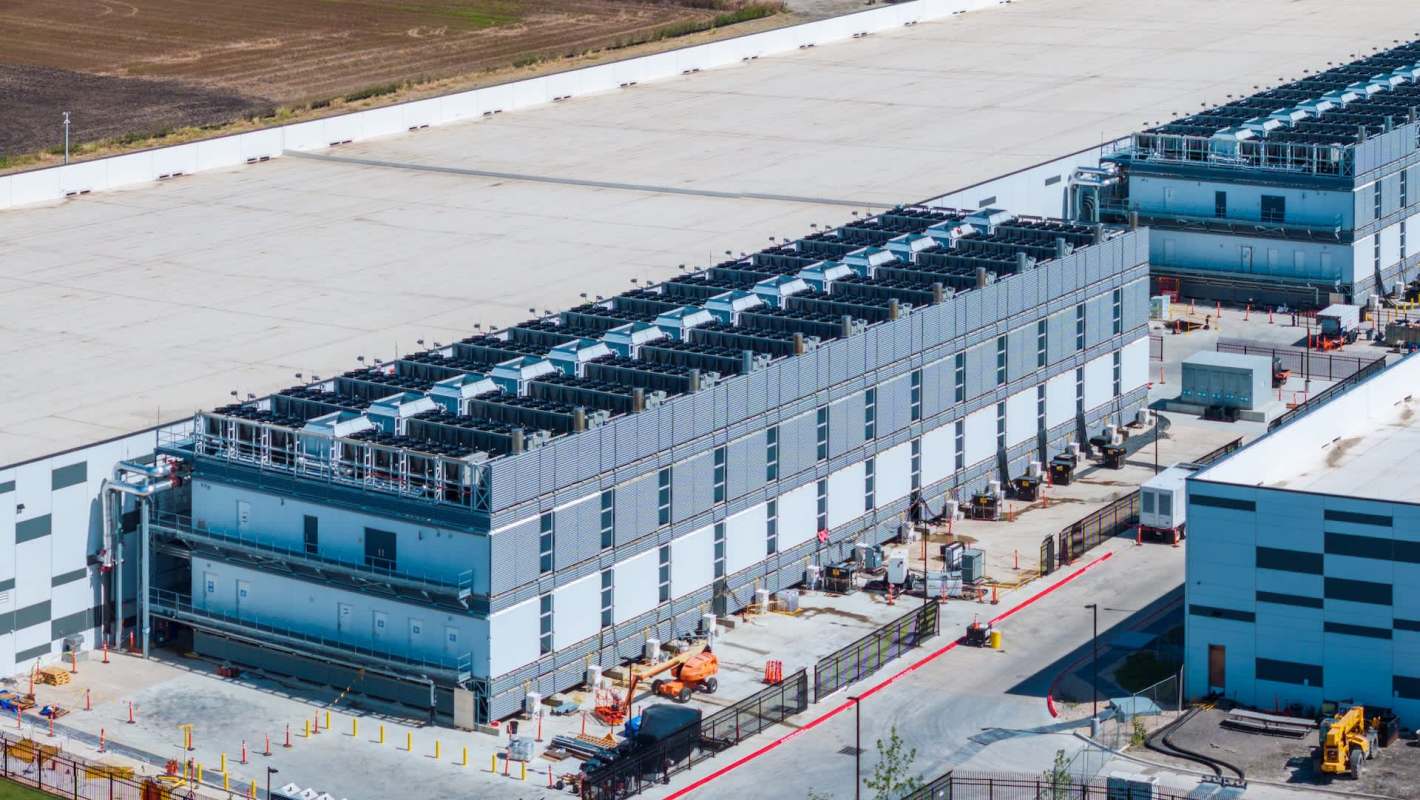
Debates over large-scale data centers are taking over communities all across the country. In Alamance County in North Carolina, leaders are now considering a temporary pause on all new data centers.
The topic led officials to reconsider county-wide zoning, a controversial idea that has repeatedly come up over the last few years.
What's happening?
According to Alamance News, supporters of a moratorium say it would give county commissioners time to sort out both where large server campuses belong and what rules should apply to them.
The outlet reported that during a discussion in early August, Alamance County commissioner Sam Powell, who serves as liaison to the county planning board, said the county's lack of zoning leaves officials with limited authority when major developments are proposed.
The issue is not limited to data centers. Pushback over a proposed stump dump development and two large housing projects in the region has also renewed calls for county-wide zoning.
Residents and advocates say the county's current land-use framework may leave officials without enough power to reject projects that otherwise comply with existing requirements.
TCD Picks » Quince Spotlight
💡These best-sellers from Quince deliver affordable, sustainable luxury for all




At the same meeting, Emily Sutton, riverkeeper for the nonprofit Haw River Assembly, asked officials to weigh concerns such as water demand, erosion, and gaps in the county's regulations, Alamance News reported.
"Zoning is the tool that lets you decide where a facility belongs, what conditions are attached, and what the county gets to say 'no' to," Sutton said, as the outlet reported.
Why does it matter?
Data centers are the physical backbone of the digital economy, supporting cloud computing and many artificial intelligence tools.
Large facilities can require enormous amounts of electricity to run servers and keep them cool, while some also depend on substantial water use — a combination of demands that can be especially troubling in rural communities with limited infrastructure.
AI can help utilities forecast demand, improve grid efficiency, and support cleaner energy systems by balancing solar and wind power more effectively.
At the same time, that very technology is driving demand for new data centers, which can strain power supplies, raise water concerns, increase local pollution from backup generation, and potentially contribute to higher energy bills if infrastructure costs are passed on to customers.
Residents are questioning whether industrial-scale projects belong near homes, rivers, or farmland — and whether local officials have the legal tools needed to steer them elsewhere.
What's being done?
According to Alamance News, a public hearing will soon be held to discuss data center regulation in the region. The meeting is expected to have a much larger turnout than normal. After hearing from the public, commissioners are expected to continue debating how the county should regulate data centers.
Board members are split on the best next step. Kelly Allen, chairman of Alamance County's commissioners, said, as the outlet reported, the county may be able to strengthen its current ordinances faster than it could build a zoning system from scratch.
Vice chairman Steve Carter took a similar stance, saying, as The Alamance News reported, that the county should add more "teeth" to its ordinances before moving further.

Get TCD's free newsletters for easy tips, smart advice, and a chance to earn $5,000 toward home upgrades. To see more stories like this one, change your Google preferences here.