


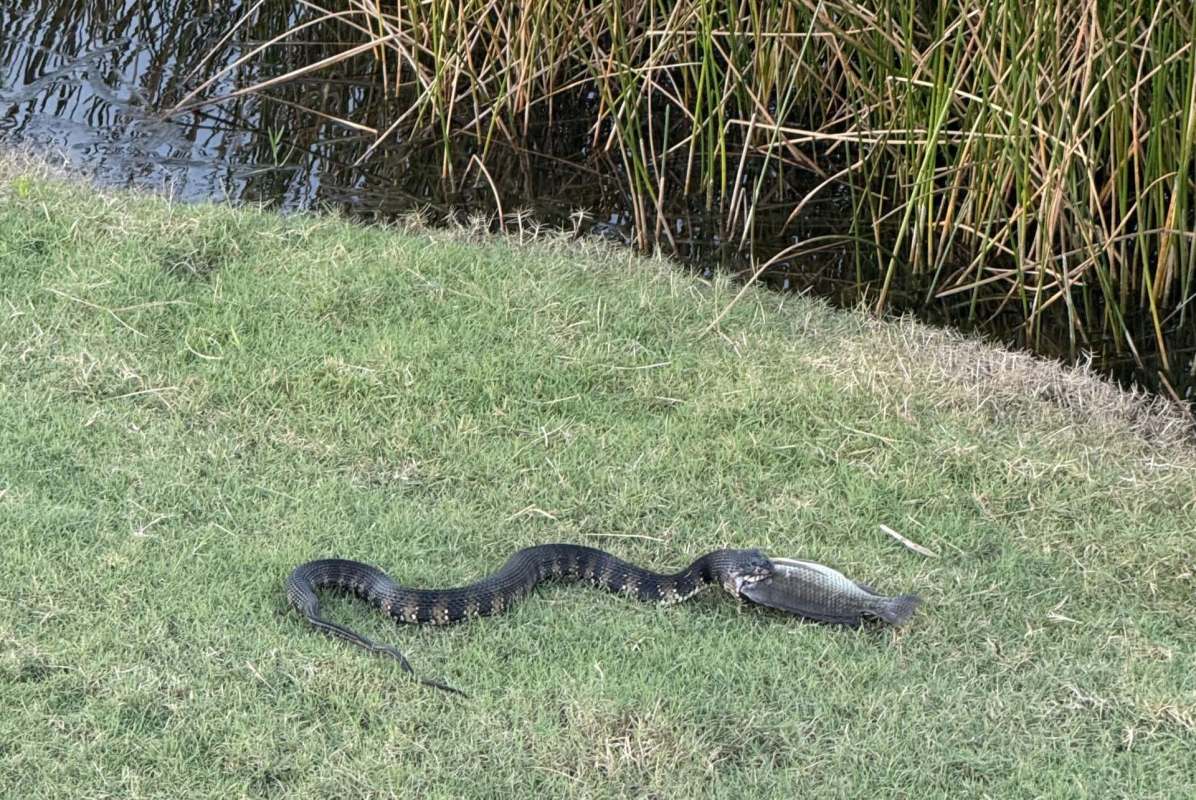
A striking wildlife photo on Reddit appeared to show a hefty snake swallowing a tilapia so large it seemed to push the limits of the reptile's jaw.
But what at first looked like a dramatic cottonmouth sighting quickly became something else entirely: a lesson in snake identification.
What's happening?
Although the image was shared under the title "Water Moccasin enjoying a tilapia," commenters in the Reddit post said it was likely not a cottonmouth, but a harmless watersnake in the genus Nerodia.
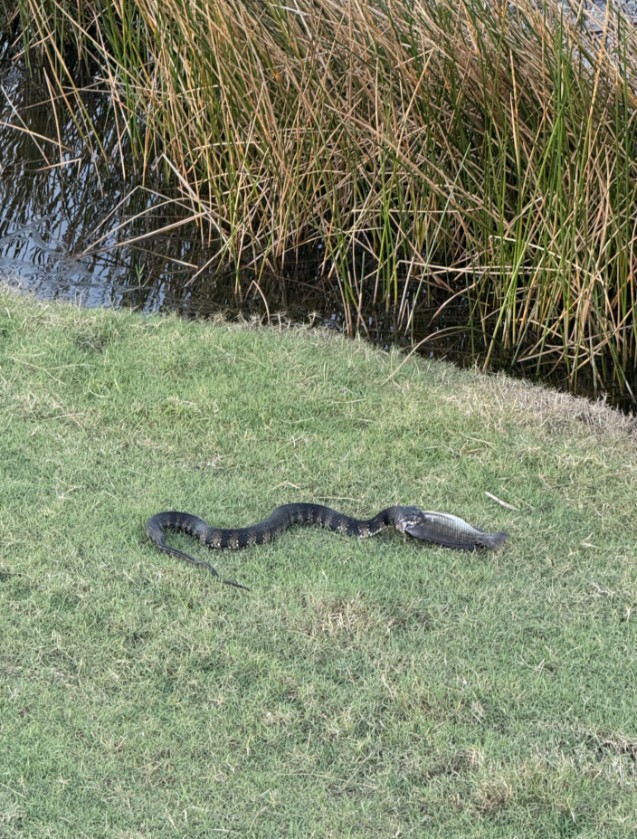
As the thread developed, the identification became more specific.
Early replies included, "Awesome pic, but this is Nerodia sp., not a cottonmouth" and "This is a harmless Nerodia," before another commenter identified it as "this is a banded watersnake, Nerodia fasciata, a harmless consumer of fish and amphibians."
The original poster readily accepted the correction.
TCD Picks » Quince Spotlight
💡These best-sellers from Quince deliver affordable, sustainable luxury for all




"Oh okay! I was pretty confident but glad to be corrected," they wrote.
Some commenters were just as interested in the prey as the predator.
After one person worried about spotting tilapia in the wild, the original poster replied, "My fish enthusiast friend id'd the fish, from what i have read they are pretty common invasive fish in Florida."
Why does it matter?
The post stands out for two reasons: misinformation about snakes can spread quickly, and stories about invasive species often begin with human activity.
Watersnakes are often mistaken for cottonmouths because both are found near water and can seem intimidating from a distance, especially when they are large and actively hunting. That confusion can have real consequences, as harmless native snakes are often killed out of fear when people assume they are venomous.
In the Reddit thread, users noted that the absence of the cottonmouth's eye "mask" and the presence of dark vertical markings on the lips can help separate watersnakes from cottonmouths.
Human decisions can reshape what animals eat, where they live, and how often people encounter them.
What can I do?
If you spot a snake near water, the safest response is also the simplest: keep your distance and do not try to handle it.
A photo taken from afar can help with identification later, whether through a local wildlife agency or an educational identification community.
For readers trying to remember the difference, commenters offered both a practical clue and a vivid nickname.
As one person explained, "The giveaways are the vertical stripes on the upper jaw and lack of a 'mask' over the eyes!"
Another summed it up even more memorably: "I like to call it, 'angry eye-liner.'"
On the invasive species side, never release pet fish, aquarium plants, or unused bait into natural waterways. While those actions may seem minor, they can permanently alter food webs and create exactly the kind of unusual wildlife interactions that later surprise people.
The exchange also offered a reminder that being wrong online does not have to turn into a fight.
One commenter wrote, "Way to hear correction with humility OP, that's an awesome attitude!"
The original poster replied, "Too many people like to act like they know everything and then get offended when they are wrong."

Get TCD's free newsletters for easy tips, smart advice, and a chance to earn $5,000 toward home upgrades. To see more stories like this one, change your Google preferences here.







