


A zoning dispute in rural Georgia is expanding into a broader fight over who gets a say when major industrial projects are proposed near homes, farms, and private wells.
Two Talbot County property owners say county officials cleared the way for data centers without giving residents the notice or public process they were entitled to.
What happened?
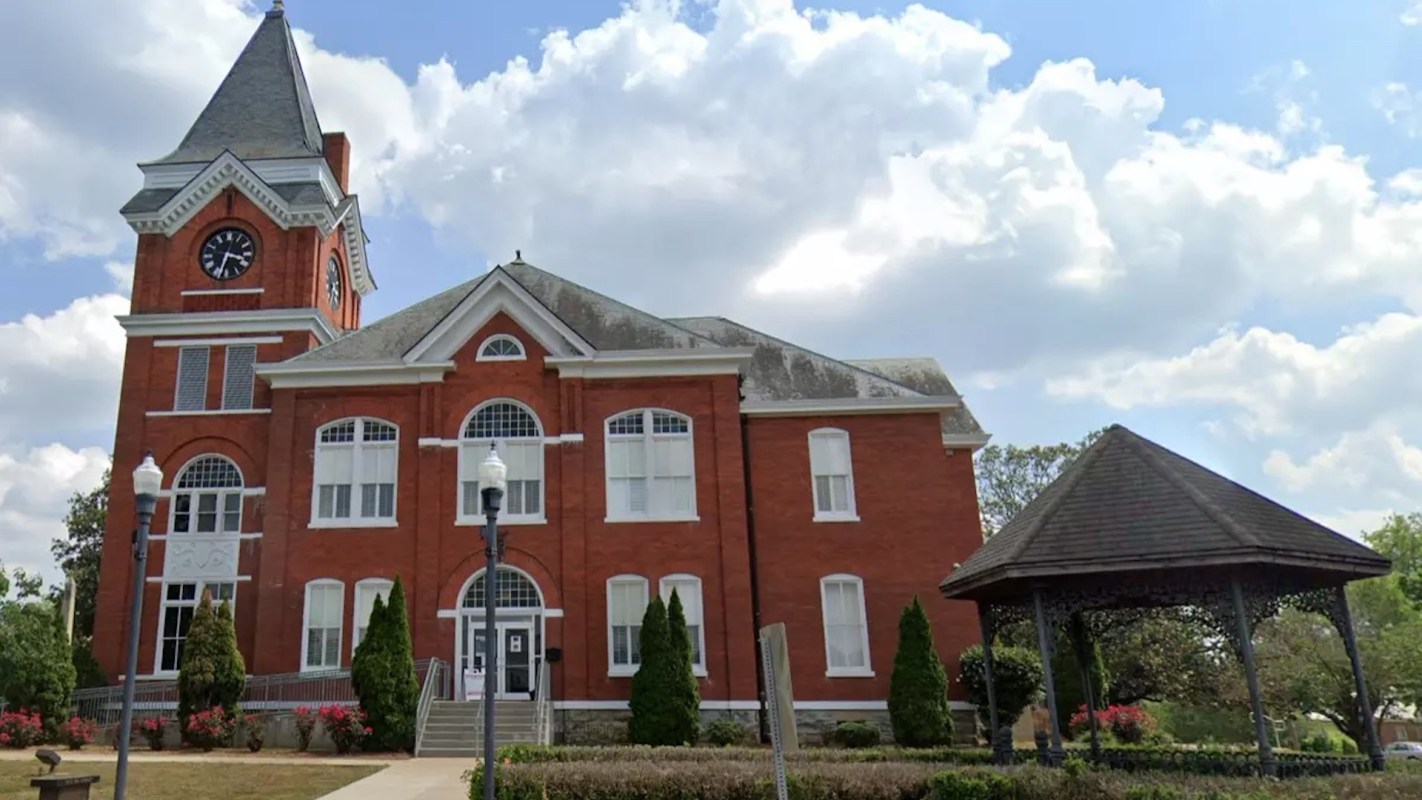
According to the Columbus Ledger-Enquirer, five Talbot County commissioners are being sued by residents Ronnie Wilson and Lauren McCarley and by Wilson's company, WCR LLC, after the county amended its ordinance to allow data center and hyperscale data center uses.
The complaint challenges a July 6 vote by the Talbot County Commission, saying the text amendment was adopted without sufficient public notice, a required public hearing, planning commission review, or meaningful discussion.
Commissioners later approved the minutes from that meeting on August 3.
The suit names Commissioners Walter Wilson Jr., Kenneth Chapman, Nigel "Anthony" Couch, Franklin Holmes, and Joshua Edlow Buckner.
TCD Picks » Quince Spotlight
💡These best-sellers from Quince deliver affordable, sustainable luxury for all




Wilson, whose property sits on the Muscogee-Talbot county line, argues in the lawsuit that any nearby data center built under the new rules could directly affect him.
"[The ordinance proposal] wasn't even on the agenda," Wilson told the Ledger-Enquirer. "They voted unanimously, and no one knew about it. They are moving fast on this."
Why does it matter?
The lawsuit says allowing a hyperscale data center on at least 100 acres of agricultural land could bring continuous industrial noise, generator emissions, light pollution, heavier truck traffic, risks to groundwater and private wells, and lower property values.
McCarley also says in the filing that her livestock and farm operations depend on well water and spring-fed ponds and that she acquired and improved her property with the intention of preserving it for future generations.
Those concerns may carry particular weight in a county of 5,709 people, according to the 2020 U.S. Census.
The complaint also says Talbot County covers nearly twice as much land as Muscogee County, that most residents rely on wells, and that the area is designated rural under the county's 2025 comprehensive plan, which emphasizes preserving farmland.
What's being done?
In the complaint, the plaintiffs ask the court to invalidate the zoning amendment, block the county from processing data center permits under it, or require officials to restart the process with proper notice and public hearings.
The complaint alleges failures to follow Georgia zoning procedures and Talbot County's own amendment process, denial of procedural due process under the Georgia Constitution and the 14th Amendment, and a Georgia Open Meetings Act violation.
It also cites the ordinance being labeled "version 6," arguing that earlier drafts may have been discussed outside public view.
Attorney Jonathan Waters represents Wilson and McCarley in this case and also represents Wilson in a separate lawsuit challenging a data center overlay ordinance approved by the Columbus Council.
"The data center has consumed our lives," he said. "We think about it every day."

Get TCD's free newsletters for easy tips, smart advice, and a chance to earn $5,000 toward home upgrades. To see more stories like this one, change your Google preferences here.






