


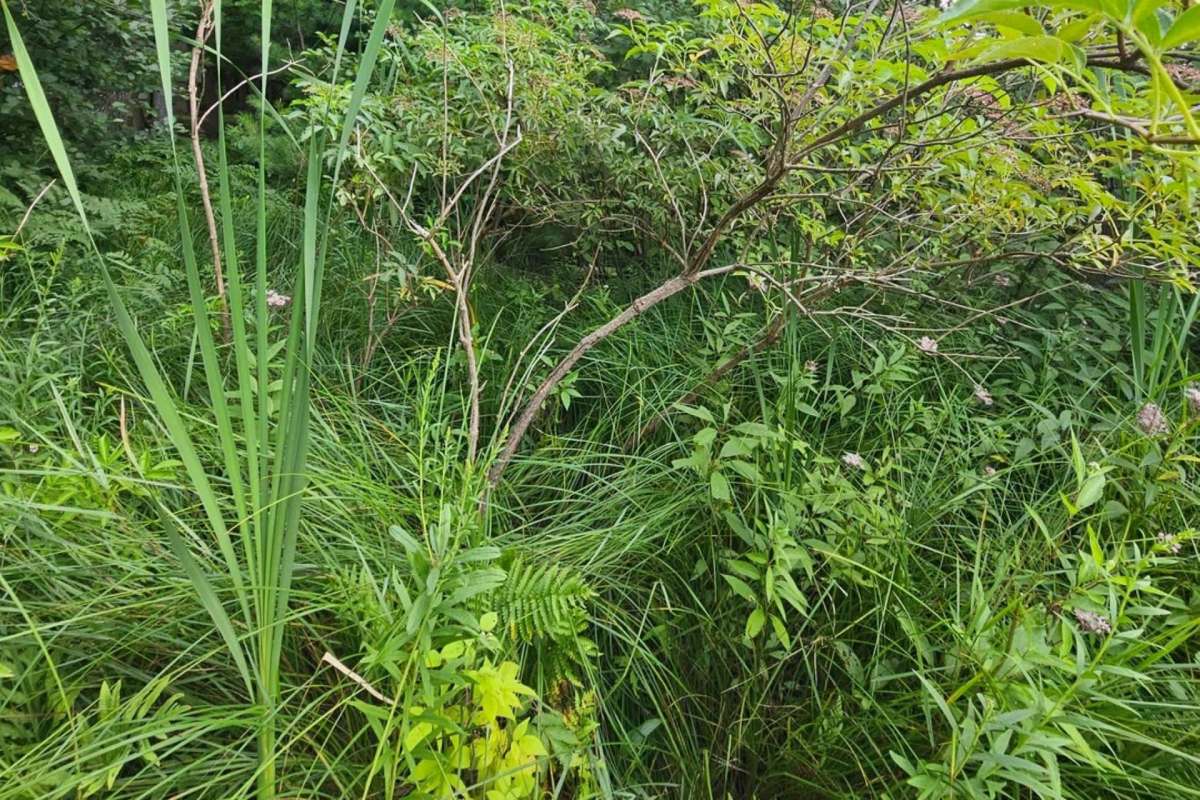
A simple shrub-identification question on Reddit turned into a useful reminder that even longtime shoreline plants can be easy to misread.
What's happening?
In this case, members of r/nativeplants said a lakefront mystery bush was probably not a sand cherry after all.
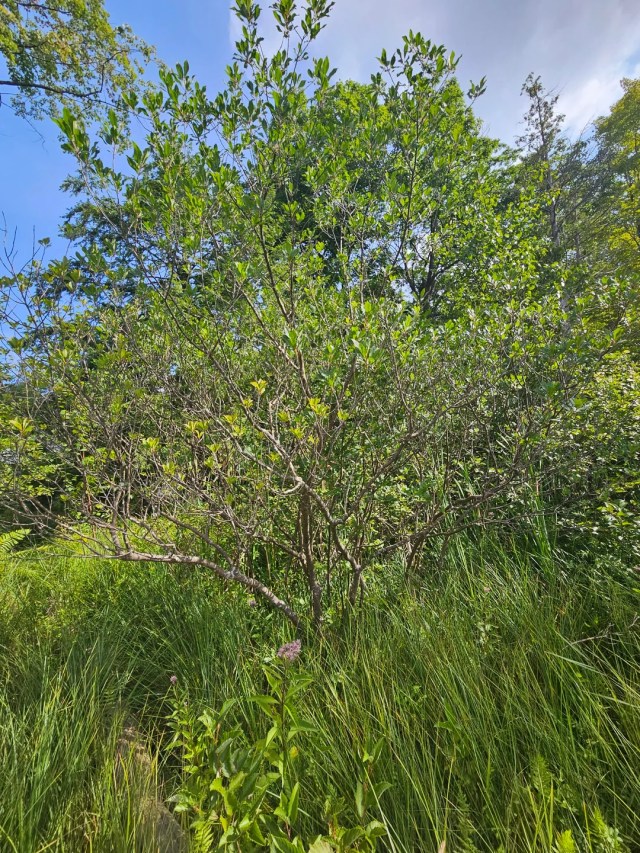
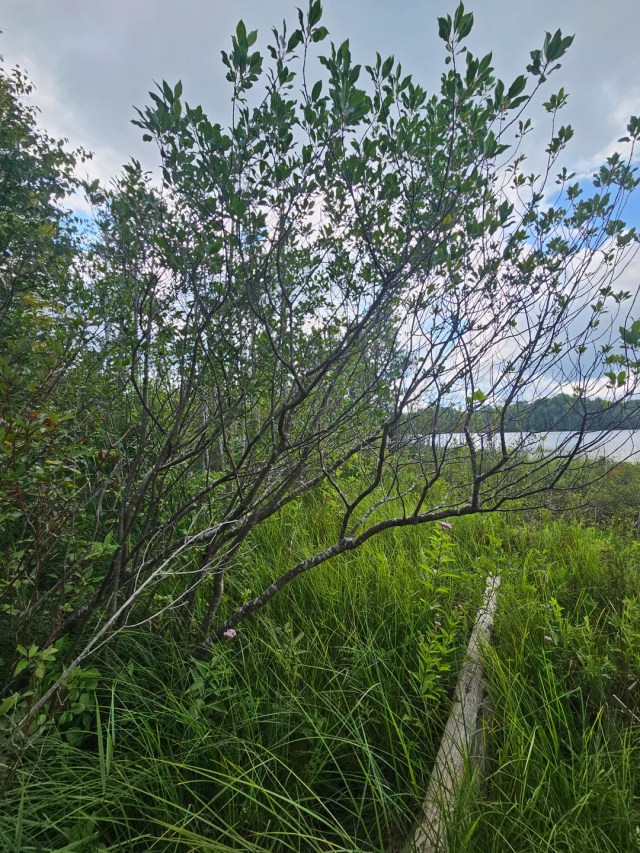
The discussion started when a lakefront property owner asked r/nativeplants to help identify an older shrub growing along a natural shoreline and floated sand cherry as a possibility. In replies on Reddit, other users suggested a different ID.
Commenters said the shrub seemed more consistent with winterberry holly or inkberry holly, both native shrubs often linked to wetter habitats in parts of the eastern United States.
On waterfront property, native shrubs adapted to moist soils can help stabilize banks, support pollinators, and create habitat for birds.
Why does it matter?
Plant ID discussions like this one can help people avoid removing useful native species by mistake.
TCD Picks » Quince Spotlight
💡These best-sellers from Quince deliver affordable, sustainable luxury for all




When a shrub turns out to be a site-appropriate native such as winterberry or inkberry holly, keeping it can do more for the surrounding ecosystem than swapping it out for a more ornamental plant that is less suited to the location.
Native landscaping can also directly benefit homeowners. Replacing even part of a traditional lawn with native plants can reduce mowing, watering, and other routine maintenance, saving both time and money while also lowering water bills.
There are several low-maintenance lawn alternatives that can offer similar benefits, including native plantings, clover, buffalo grass, and xeriscaping. Even a partial lawn replacement — such as converting a difficult shoreline edge, side yard, or soggy patch — can make a meaningful difference without requiring a full backyard overhaul.
On shorelines in particular, working with plants that naturally fit the site can also help reduce erosion concerns and create a more resilient landscape during periods of heavy rain or dry weather.
What can I do?
If you have an older shrub or patch of "wild" growth on your property, identifying it before cutting it back can help. Local native-plant groups, extension offices, and online communities can all help homeowners determine what they are seeing.
If you are thinking about reshaping your yard, native plants are one of the easiest places to start. A small bed, border, or shoreline planting can support wildlife while reducing upkeep compared to a conventional lawn.
Rewilding your yard or upgrading to a natural lawn can help you explore lower-maintenance landscapes that use less water and less fuel-powered equipment.

Get TCD's free newsletters for easy tips, smart advice, and a chance to earn $5,000 toward home upgrades. To see more stories like this one, change your Google preferences here.







