


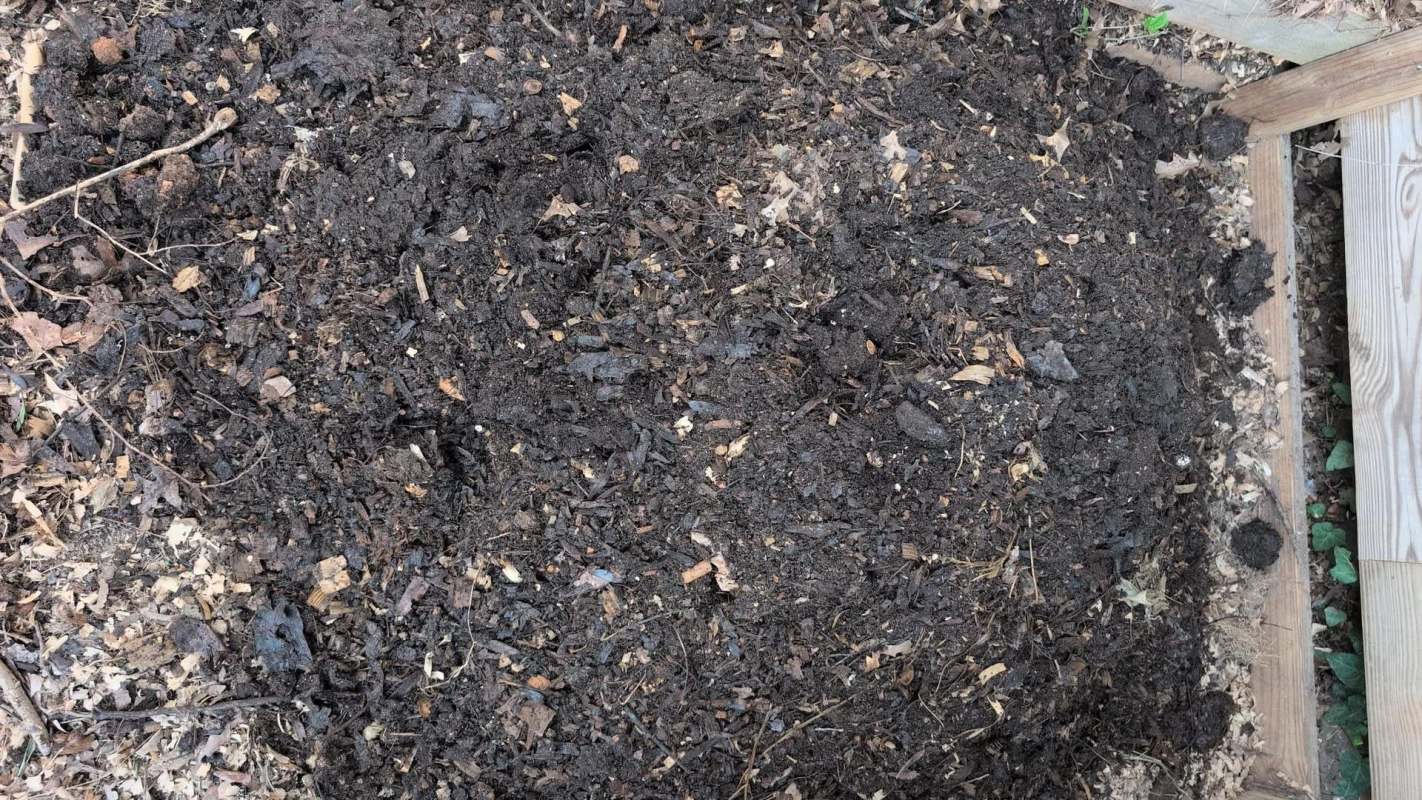
Compost can be a frugal gardener's best friend, but it also raises one of the most common questions for new gardeners — is it OK to use compost before it's completely finished?
A Reddit exchange pointed to a practical way to use partially finished compost in a fall bed without harming young plants: keep it on the surface rather than mixing it into the soil where roots will grow.
What's happening?
A beginner in the r/composting community asked whether a fall garden bed could be made with compost that did not seem fully done yet.
They wrote, "Hello! I am relatively new & amateur in composting. I am wanting to use soil for a fall garden bed (and would rather not pay for bags of soil) but I am pretty sure my compost is not finished. Do you ever use unfinished compost to make a garden bed?"
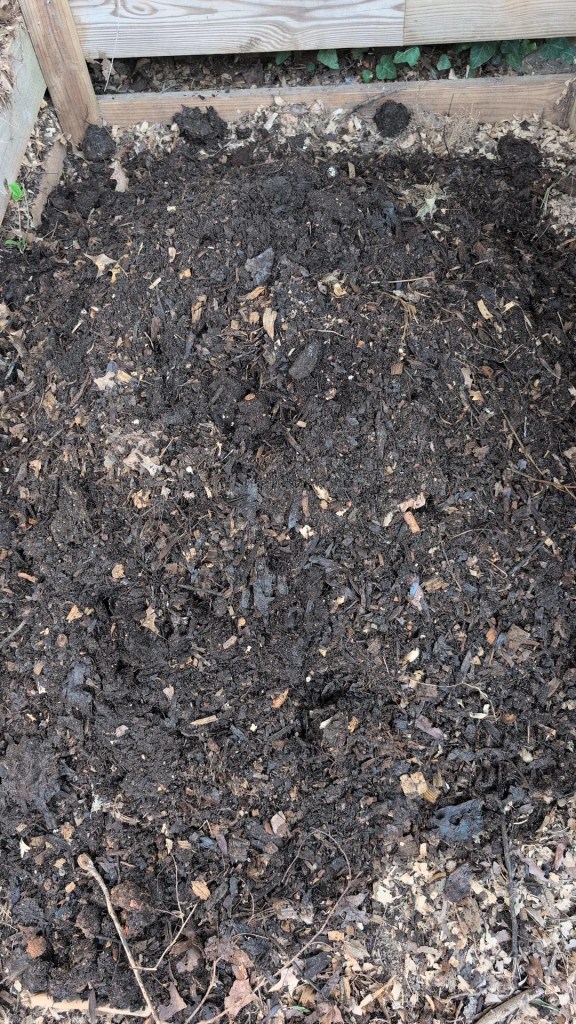
The discussion on Reddit largely landed on the same advice. Several commenters said unfinished compost is still useful, just not in the root zone.
As one commenter put it, "Absolutely, as long as you put it on top of the soil and not in the root zone you're good."
TCD Picks » Quince Spotlight
💡These best-sellers from Quince deliver affordable, sustainable luxury for all




Throughout the thread, people described that use more as mulch or top-dressing than as something to blend deeply into a bed.
The issue, commenters said, is what can happen while the compost is still finishing.
One explained, "The process of the compost finishing(bacteria) will pull nitrogen from the soil around it. However, it'll work as a great mulch and it'll obviously break down eventually."
Another warned, "Also it will heat up and possibly burn the roots. Put it on top of the bed and you'll be good."
Why does it matter?
The thread highlights the value of composting as a household habit. Rather than sending kitchen scraps and yard waste to a landfill, these materials can be turned into something useful for the long-term health of your garden's soil.
But if the compost is still actively decomposing, placement can affect how well a garden performs. As microbes continue breaking it down, they may temporarily use nitrogen that young plants need, which can mean slower growth or weaker yields for beginners trying to make the most of a home garden.
What can I do?
Commenters suggested using visible scraps as a quick clue.
One put it this way: "I don't overthink it. If I see fruit peels & veg intact, it needs more time. If it's mostly processed, I use."
If the pile still contains recognizable bits, the safer approach mentioned in the thread was to handle it more like mulch than finished soil. Put it on top of the bed instead of working it into the root zone; as it keeps decomposing, it can cover bare soil, help hold moisture, and slowly feed the bed. If you're looking for more beginner-friendly ways to start harvesting at home, TCD's guide to growing your own food can help.
If you're still unsure how your compost will act, commenters also suggested testing it in a limited way first.
One shared that they had "done it with some tomatoes with good results" before recommending a cautious next step: "Try in a small potted container first."
That surface-only method was the main takeaway from the conversation.
As one commenter summed it up, "Yeah, the general consensus I've seen is just toss it on top and don't mix it in."

Get TCD's free newsletters for easy tips, smart advice, and a chance to earn $5,000 toward home upgrades. To see more stories like this one, change your Google preferences here.






