


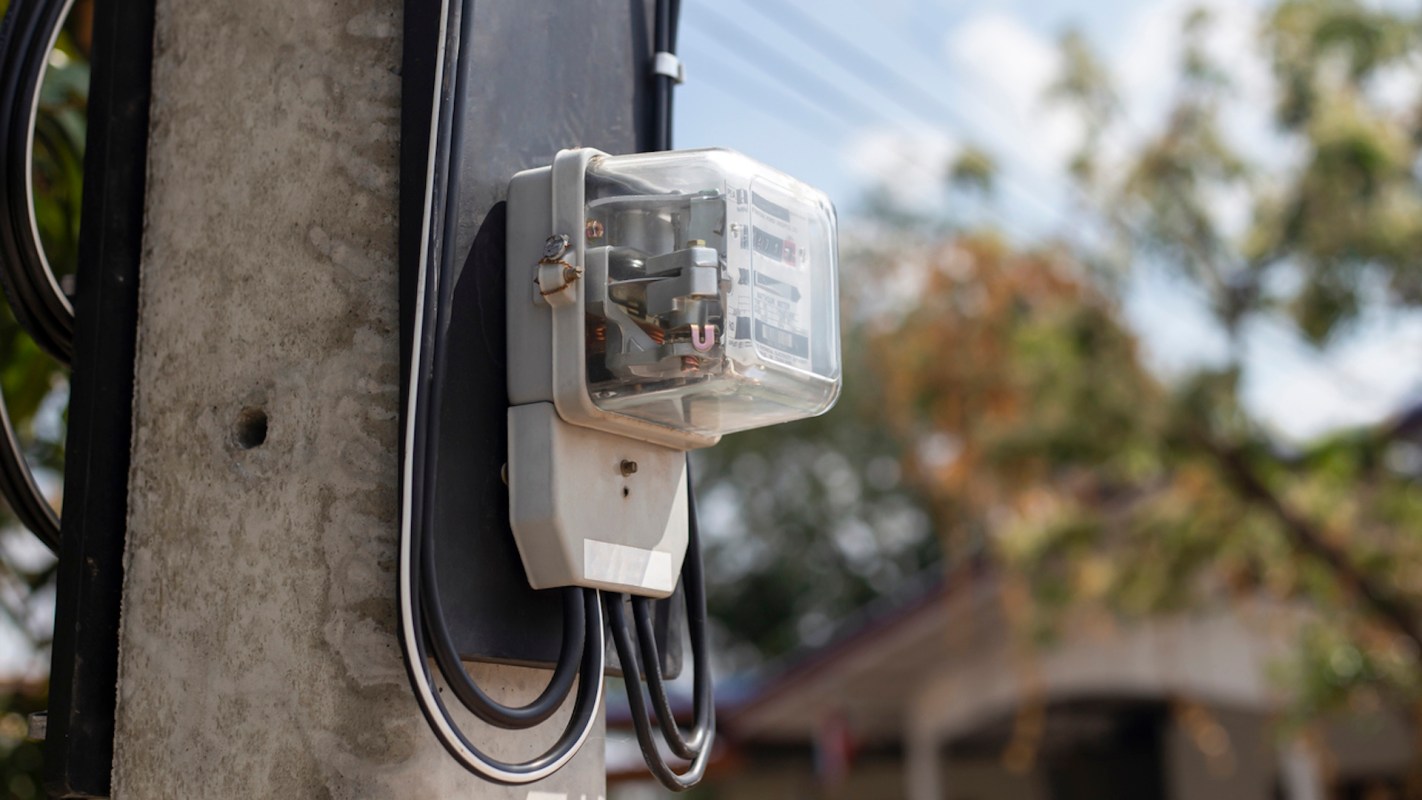
In downtown Baltimore, residents and public officials rallied against a proposed jump in electricity charges, saying steeper monthly bills would hit families already struggling to make ends meet.
As CBS Baltimore reported, the demonstration centered on Baltimore Gas and Electric's plan to seek $156 million in higher rates at a moment when many budgets are already under pressure.
What happened?
The filing would add about $8 a month to electric bills, according to the outlet. Opposition to that request brought Baltimore City Council President Zeke Cohen together with community, consumer, environmental, and labor leaders before a procedural hearing.
Opponents said asking customers to pay more is hard to defend when so many are already behind, CBS Baltimore reported. Cohen's office said about 290,000 BGE customers currently owe overdue energy payments.
As part of the case against the increase, Cohen highlighted figures showing that BGE electric delivery rates nearly doubled between 2010 and 2025, per the outlet. At the press conference, Cohen described BGE as "a predatory monopoly," CBS Baltimore reported.
The company says the added revenue would fund infrastructure upgrades intended to make outages less frequent and shorter. Critics, however, argue that households with already-stretched finances should not be the ones expected to absorb the extra cost, the outlet said.
TCD Picks » Quince Spotlight
💡These best-sellers from Quince deliver affordable, sustainable luxury for all




Cohen argues that progress in lowering crime and supporting culture could be undone by the rate hike.
"Baltimore is a city standing on the precipice of a renaissance," he declared, per CBS Baltimore. "But there is no Baltimore comeback story if people can't afford to pay their electricity bills."
Why does it matter?
Electricity is essential during extreme heat, cold snaps, and for everyday needs such as cooking, charging phones, and keeping medications refrigerated.
Rate hikes can be especially painful for renters, seniors on fixed incomes, and families balancing food, rent, transportation, and child care costs. With nearly 290,000 customers already behind, even a relatively modest increase can add more pressure.
The protest also reflects frustration with monopoly utilities. Customers generally do not have the option to shop around for a different power delivery provider, meaning that when rates rise, many have little choice but to pay more or fall further behind.
"To be clear, I don't have a problem with BG&E's making a reasonable profit, but when customer service fails and profits increase, something is terribly wrong," argued Maryland PIRG Senior Advisor Emily Scarr, according to CBS Baltimore.
What's being done?
The most immediate response has been public pressure. By rallying ahead of the hearing, elected officials and advocacy groups aimed to challenge the idea that infrastructure spending should automatically be passed on to customers through higher bills.
Public hearings and regulatory reviews can influence whether a proposal is approved, modified, or rejected.
Cohen said many residents are already being pushed to choose between paying for electricity and covering basics such as groceries or rent. He added that generosity can only go so far.
"In this city, we take care of our neighbors," he concluded, as CBS Baltimore reported. "We'll always chip in to lift each other up. But not to pad the pockets of an extractive monopoly whose sole goal is shareholder gain."

Get TCD's free newsletters for easy tips, smart advice, and a chance to earn $5,000 toward home upgrades. To see more stories like this one, change your Google preferences here.






