


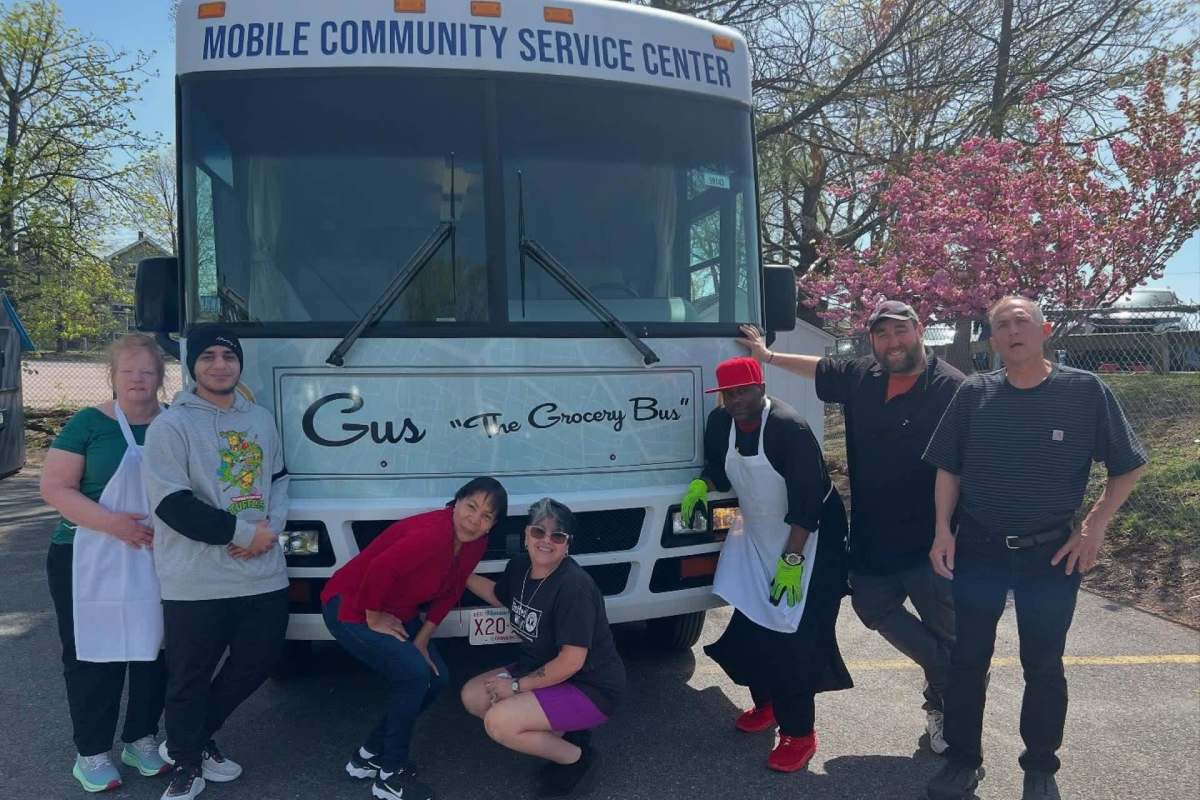
United Way of Tri-County said its mobile food pantry, Gus the Grocery Bus, received an additional $45,000 grant from the Cummings Foundation, helping the program reach more people across MetroWest and Central Massachusetts.
What happened?
Foundation representatives approved the extra support after visiting the program and seeing its results firsthand, Community Advocate reported. United Way of Tri-County said the grant will help Gus reach more people by taking nutritious food directly to those who cannot easily use a standard pantry.
Across the 37 communities served by United Way of Tri-County, demand for food aid is rising as families face steeper grocery bills and other living costs.
Gus is aimed at residents who have trouble accessing pantry services, including older adults, people with disabilities, families with children under 18, and those without reliable transportation.
Why does it matter?
Food insecurity is not just about empty shelves at home. It can also mean making difficult choices between buying groceries, paying rent, covering medication, or keeping up with utility bills.
For people who cannot easily travel to a pantry, even available aid can remain out of reach. A mobile pantry brings fresh food closer to the neighborhoods and households that need it most.
TCD Picks » Quince Spotlight
💡These best-sellers from Quince deliver affordable, sustainable luxury for all




The support also reflects the broader pressure many families are under. When prices rise, nutritious options are often among the first things squeezed out of a budget, especially for seniors, caregivers, and families raising children.
The service delivers practical relief directly into the community instead of requiring residents to arrange transportation or navigate yet another obstacle.
What's being done?
With the new grant, United Way of Tri-County has more room to keep the bus operating throughout its service area and extend food access to additional residents where they live.
The model focuses on access, not just supply. Food may exist within a region, but it does little good if people cannot physically get to it. Mobile distribution helps bridge that gap for underserved groups.
Community funding is a major part of what makes these solutions possible. Grants, local partnerships, and charitable support can all help programs like this continue operating and scale to meet growing demand. If you are interested in backing efforts that strengthen communities, you can explore ways to donate money to climate causes.
In this case, the additional funding means more stability for Massachusetts neighborhoods.
"This additional funding will allow us to reach even more neighbors with fresh, nutritious meals while helping ensure that no one has to choose between paying bills and putting food on the table," said Joe Mina, director of food security at Pearl Street Cupboard & Café, per Community Advocate.

Get TCD's free newsletters for easy tips, smart advice, and a chance to earn $5,000 toward home upgrades. To see more stories like this one, change your Google preferences here.







