


Last week, lawmakers introduced a bipartisan bill aimed at expediting desalination research and technological development in the U.S. The bill would extend funding for existing research and projects that would otherwise expire this year.
What's happening?
According to a press release from the office of California Senator Alex Padilla, the legislation — called the Desalination Reauthorization Act — is backed by Padilla and Senator John Cornyn of Texas.
At its core, the measure would continue the Bureau of Reclamation's authority to support desalination efforts through a standing approval that is otherwise set to expire.
Without an extension, lawmakers would have to sign off on future desalination developments one at a time through separate legislation. Handling projects individually could slow timelines and make them more expensive for communities seeking new water sources.
The bill, if it becomes law, would also offer grants for construction-related work and for studies aimed at lowering desalination expenses and limiting environmental impacts.
Why does it matter?
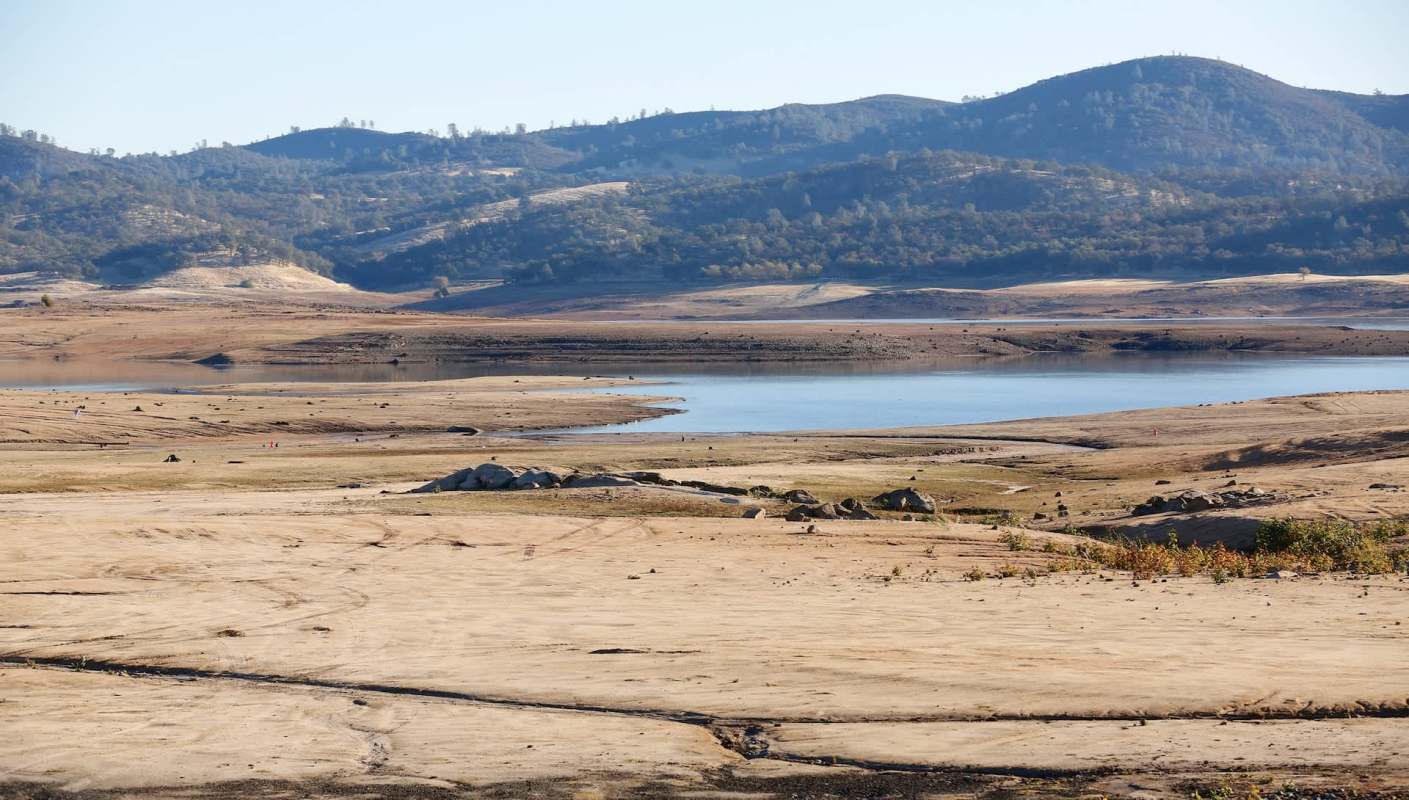
Desalination turns saltwater or brackish water into usable freshwater, making it one of the few water supply options that does not rely on rainfall in the same way reservoirs, rivers, and snowpacks do. That makes it especially appealing in drought-prone parts of the Southwest.
TCD Picks » Quince Spotlight
💡These best-sellers from Quince deliver affordable, sustainable luxury for all




For local water agencies, that means another way to expand supply, spread risk across more than one source, and respond more nimbly when shortages hit. For households, that can matter when water providers are trying to prevent harsh restrictions, sharp rate increases, or interruptions in service.
At the same time, desalination has long faced criticism over high costs, energy use, and environmental concerns tied to brine disposal and marine ecosystems. According to the press release, part of Padilla and Cornyn's legislation is aimed specifically at research that could bring down costs while also reducing pollution and other ecological impacts.
As pressure on water systems grows, the debate is shifting from whether desalination has drawbacks to whether those drawbacks can be reduced enough to make it a more practical part of the region's water mix.
What's being done?
If passed, the measure would maintain the existing Bureau of Reclamation route for approving desalination funding, rather than pushing every community into a separate authorization fight for each project.
According to the release, grants in the bill could give local governments, researchers, and utilities room to try changes that could cut operating expenses and lessen environmental impacts. That support may matter most in communities that want more varied water sources but cannot shoulder the upfront risks of early development on their own.
Water resilience often depends on a mix of solutions — like recycling, conservation upgrades, and desalination — rather than just one. This bill does not solve the Southwest's water challenges on its own, but it could help keep bureaucratic delays from slowing one option that some communities may increasingly rely on as heat and drought threats intensify.

Get TCD's free newsletters for easy tips, smart advice, and a chance to earn $5,000 toward home upgrades. To see more stories like this one, change your Google preferences here.






