


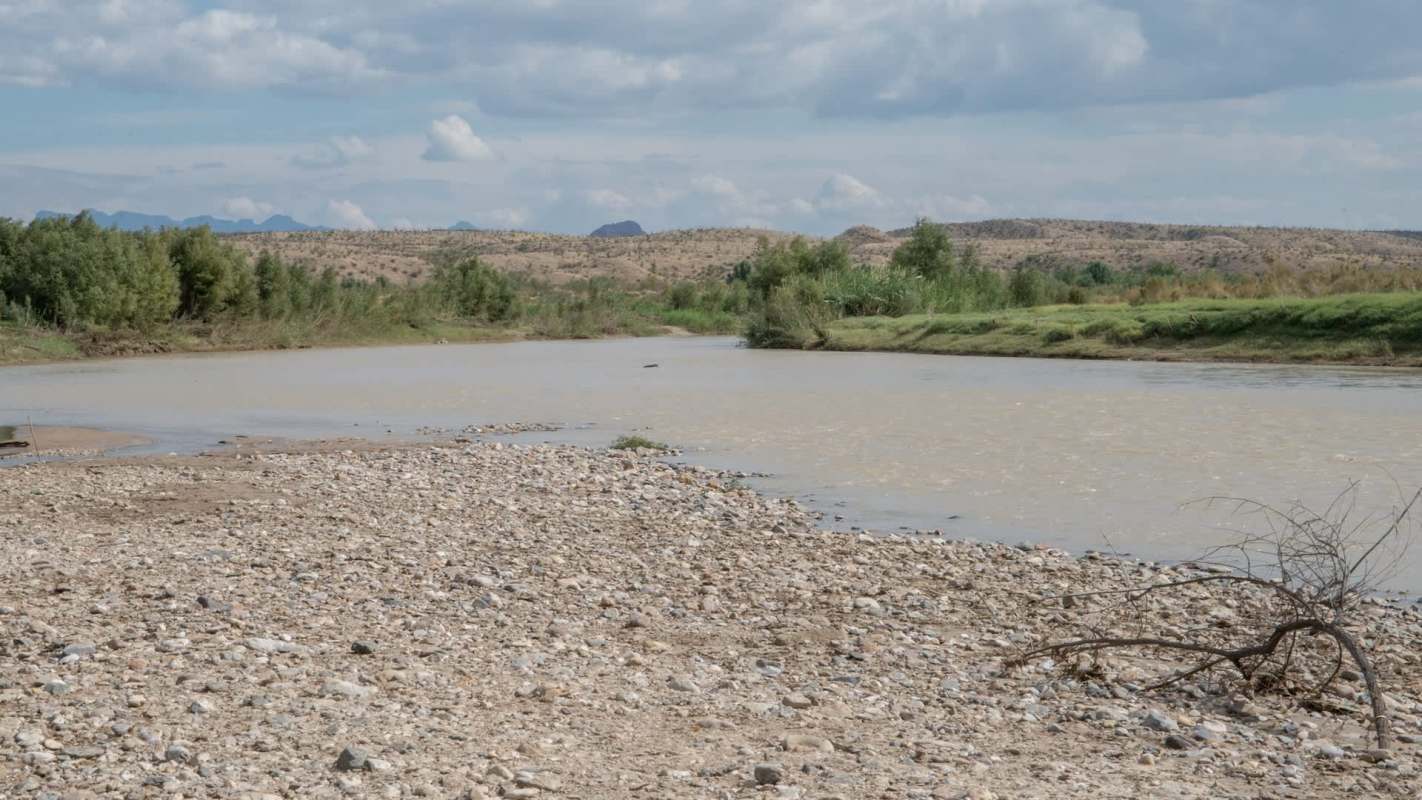
A major Rio Grande agreement cleared by the U.S. Supreme Court could change how groundwater is managed in southern New Mexico, where parts of the river are expected to go dry again this year.
The ruling comes as drought, water shortages, and state-to-state battles over rivers intensify.
What happened?
According to The Texas Tribune, a brief order from the Supreme Court allows a settlement supported by New Mexico, Texas, and Colorado to move ahead after a long dispute over Rio Grande water deliveries. The deal is meant to limit groundwater pumping near the river so more water reaches Texas.
The deal is centered on southern New Mexico, where prolonged hot, dry conditions have driven many farmers who grow pecans and chile to rely more heavily on groundwater. Texas sued New Mexico in 2013, saying that increased pumping was cutting downstream flows.
New Mexico now has 10 years to reduce annual groundwater depletions by 18,200 acre-feet, or about 5.9 billion gallons, with half of that cut due in the first five years. The agreement also sets up a more detailed accounting system to track water credits and debits in wet years and during drought.
Why does it matter?
Researchers have warned that overuse of the Rio Grande threatens water security for millions of people across the basin, and some experts say the river's problems are every bit as serious as the more widely discussed crisis on the Colorado River.
TCD Picks » Quince Spotlight
💡These best-sellers from Quince deliver affordable, sustainable luxury for all




A more dependable water system could lower the risk of shortages for homes, farms, and businesses while also protecting groundwater supplies that communities may need later. It could also shift public money away from courtroom fights and toward practical solutions on the ground, including more efficient irrigation, stormwater capture, and new supplies from brackish water.
Officials say much of the water savings will likely come from purchasing water rights tied to farmland and taking some irrigated acreage out of use.
What happens now?
Hanna Riseley-White, who leads the Interstate Stream Commission, said the state is "very excited to be redirecting resources from costly and lengthy litigation to solutions on the ground."
Meanwhile, state officials say listening sessions are already underway. The first water-rights acquisitions are expected to begin later this year, and more than $40 million in federal funding has been secured to help carry out the plan.

Get TCD's free newsletters for easy tips, smart advice, and a chance to earn $5,000 toward home upgrades. To see more stories like this one, change your Google preferences here.






