The Food Bank of Delaware has completed a new rooftop solar array at its Milford facility, a project expected to cover a large share of the site's electricity use and free up more than $2 million over time for meals, nutrition education, and job training.
What's happening?
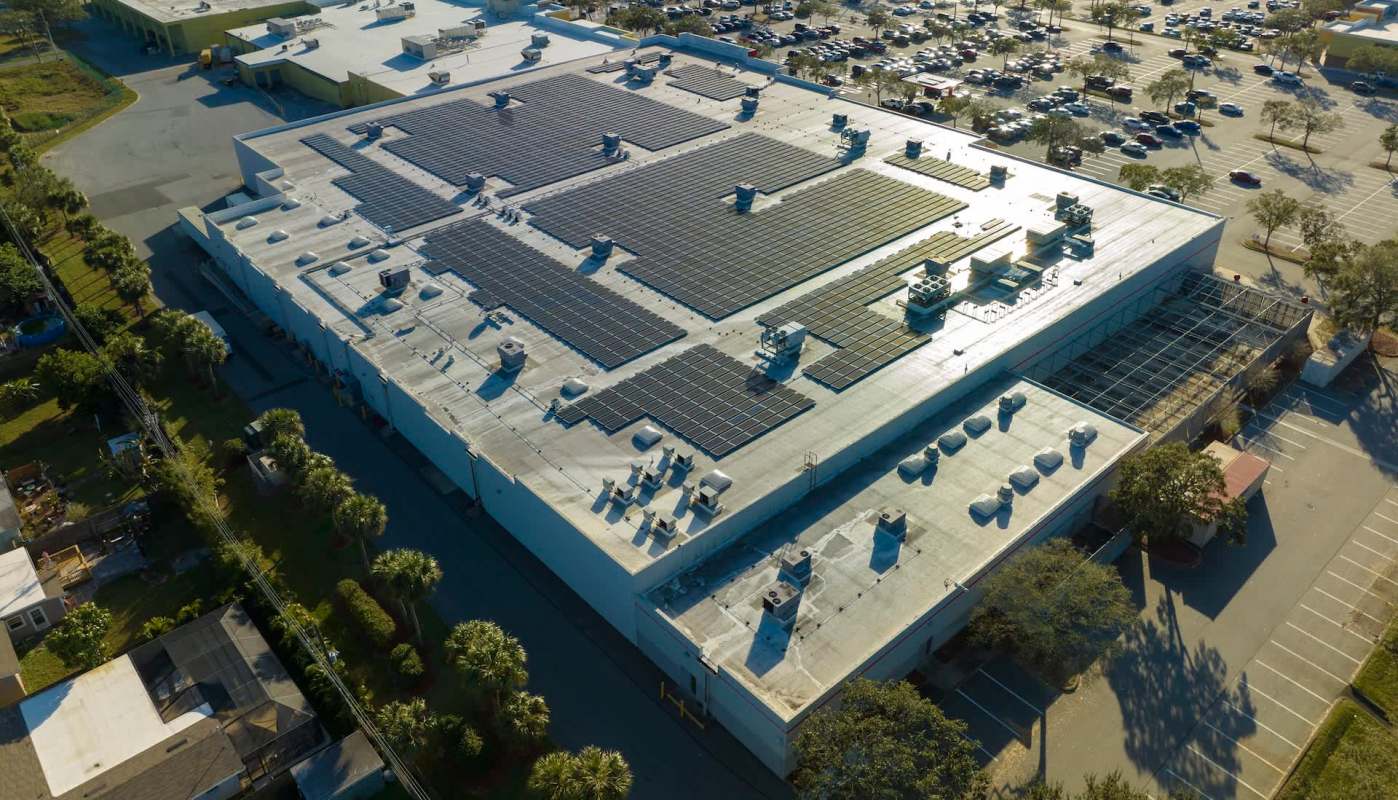
Funded by a $1,017,000 grant from Energize Delaware, the state's renewable energy utility, the rooftop system uses 719 panels and should produce about 546,000 kilowatt-hours each year, according to Delaware Business Now.
Over time, the installation is projected to save more than $2 million. Each year, the news outlet reported, it is expected to reduce utility spending by over $37,000 while supplying roughly 60% of the Milford facility's electricity use.
Cathy Kanefsky, CEO of the Food Bank of Delaware, said those savings should strengthen the organization's broader work.
"By reducing our utility costs, we can redirect millions of dollars over time toward providing nutritious food, expanding workforce development opportunities and helping more Delaware families move toward stability and self-sufficiency," Kanefsky told Delaware Business Now.
Why does it matter?
For nonprofits, every dollar spent on overhead is a dollar that cannot go directly to people who need support. Lower power bills can also make day-to-day operations more predictable, especially for organizations that run large facilities and energy-intensive refrigeration equipment.
TCD Picks » Quince Spotlight
💡These best-sellers from Quince deliver affordable, sustainable luxury for all




In this case, the savings are expected to support food access, nutrition education, and workforce development — services that can directly affect household budgets, health, and job opportunities.
Generating more electricity on-site with solar also reduces dependence on grid power produced from non-renewable sources, which can help cut climate-warming pollution and improve air quality. Cleaner air is linked to better public health, especially for children, pregnant people, older adults, and people with respiratory conditions.
The project also shows how solar can serve more than private homes. Large rooftops on not only food banks but also schools, municipal buildings, and warehouses can become cost-saving assets that support essential community services.
What's being done?
The Milford project was designed and installed by Delaware-based CMI Solar & Electric, a company that specializes in commercial renewable energy work, according to Delaware Business Now.
Dale Davis of CMI Solar & Electric told the outlet, "The 719-panel system is engineered to generate approximately 546,000 kilowatt-hours of clean electricity each year, significantly reducing the facility's dependence on grid power."
The project highlights the role funding can play in helping nonprofits adopt technology that might otherwise be out of reach. Drew Slater, executive director of Energize Delaware, said the organization wants to help community groups lower operating costs so they can spend more on people, not power.
Slater added that the project shows "how clean energy can strengthen both our environment and the vital community services Delawareans depend on."

Get TCD's free newsletters for easy tips, smart advice, and a chance to earn $5,000 toward home upgrades. To see more stories like this one, change your Google preferences here.