


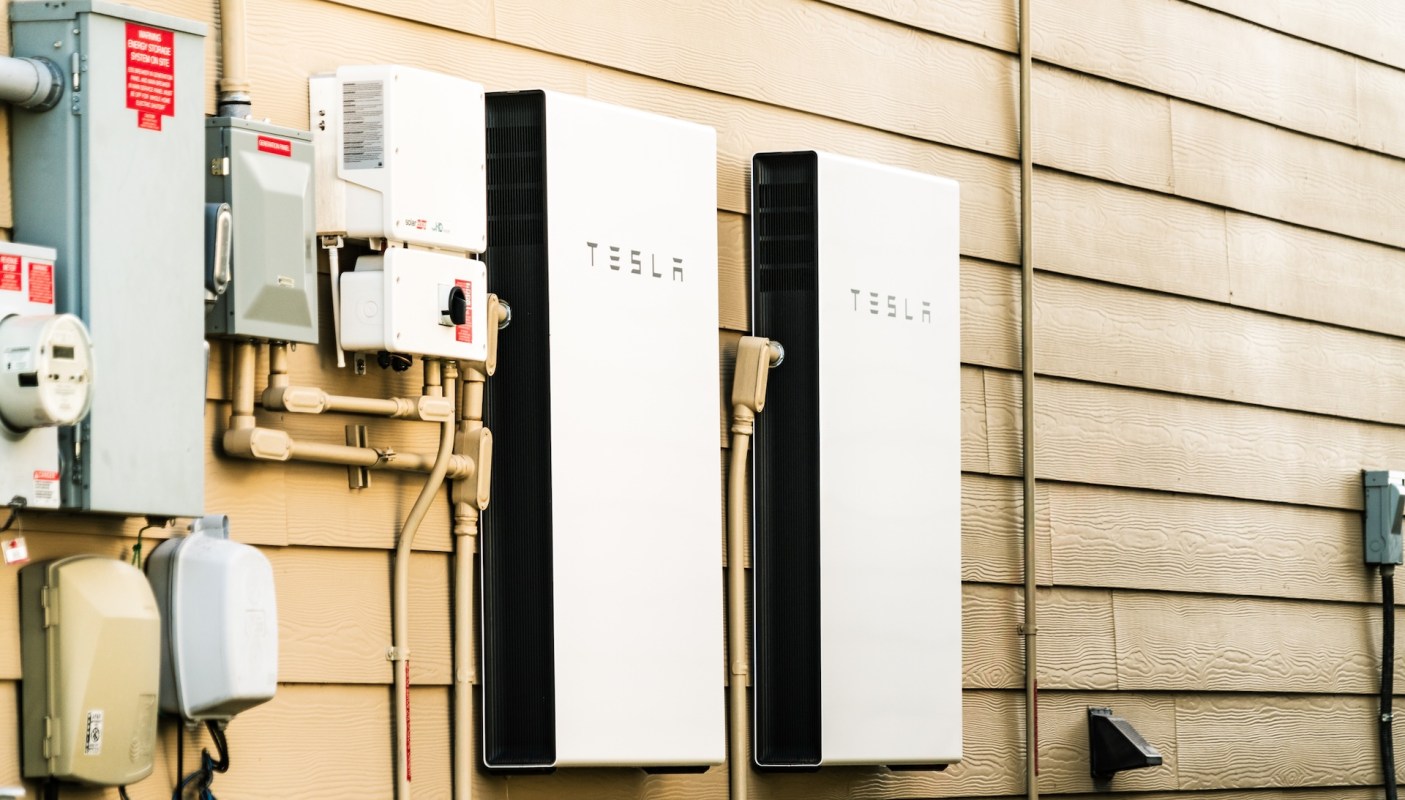
For one Colorado resident building a new home, a battery decision came down to two options: save money with Tesla's Powerwall 3 or spend more on a FranklinWH battery for a bit more storage and a longer warranty.
In a Reddit post, the homeowner said, "Powerwall 3 is about $3000 cheaper," but Franklin is "about 10% more storage and the warranty."
The buyer added, "This is a new build with a relatively stable grid. I'm torn."
What's happening?
The post focused on a choice between two home batteries for a new house in small-town Colorado: Tesla's Powerwall 3 and FranklinWH's aPower S.
The original poster said they want "the simplest, most reliable, least fussy system" and noted, "we'll never add a generator."
Replies weighed whether Tesla's lower price was really the better deal.
One commenter argued that Franklin's extra capacity and warranty could justify the added cost, writing, "You're paying $3k less for a name, basically. If you're not glued to the app and just want it to work without thinking about it, the extra capacity and that warranty are hard to ignore."
If you're weighing similar options, exploring EnergySage's free tools can help you get information about home battery storage options, including competitive installation estimates. EnergySage has teamed up with the electrification brand Qmerit to guarantee you get the best price on home battery storage solutions.
Save $10,000 on solar panels without even sharing your phone number Want to go solar but not sure who to trust? EnergySage has your back with free and transparent quotes from fully vetted providers in your area. To get started, just answer a few questions about your home — no phone number required. Within a day or two, EnergySage will email you the best options for your needs, and their expert advisers can help you compare quotes and pick a winner. Solar panels can save you more than $50k over their 25-year lifespan, and EnergySage can help you save as much as $10k on installation. Which begs the question — isn't that worth an email or two? |

Why does it matter?
Home battery storage can protect a home during outages, lower energy costs, and increase energy independence.
A properly sized battery can keep essentials, such as lights, refrigeration, internet, and medical devices, running when the grid goes down.
Battery storage can also help homeowners get more from rooftop solar by saving electricity for later use instead of sending it back to the grid. For households dealing with time-of-use rates or peak pricing, that can add up to savings over time.
The thread also pointed to an issue beyond storage and price: service. For homeowners in smaller communities, fast support and smooth warranty help can matter as much as the equipment itself.
That means some homeowners may value a hands-off system and dependable support more than extra features or app-heavy monitoring.
What can I do?
Consumers have more tools than ever to compare battery options before signing a contract. Online quote marketplaces, installer consultations, and homeowner forums can all help buyers sort through real-world tradeoffs such as usable capacity, service support, and warranty coverage.
For shoppers who want something smaller or more flexible, Pila offers excellent battery backup options. Its plug-and-play batteries are priced at a fraction of what a whole-home backup system would cost.
It is also smart to ask installers whether you are paying for full-home backup or just critical loads, how the system performs in cold weather, and what parts of the equipment are actually covered under warranty. In a place like Colorado, those details can make a real difference.
Getting multiple quotes and sizing a battery around your actual outage needs can help you avoid overspending. Some households need enough power for a few essentials, while others want near-whole-home coverage — and the right answer may not be the same for everyone.

Get TCD's free newsletters for easy tips, smart advice, and a chance to earn $5,000 toward home upgrades. To see more stories like this one, change your Google preferences here.







