


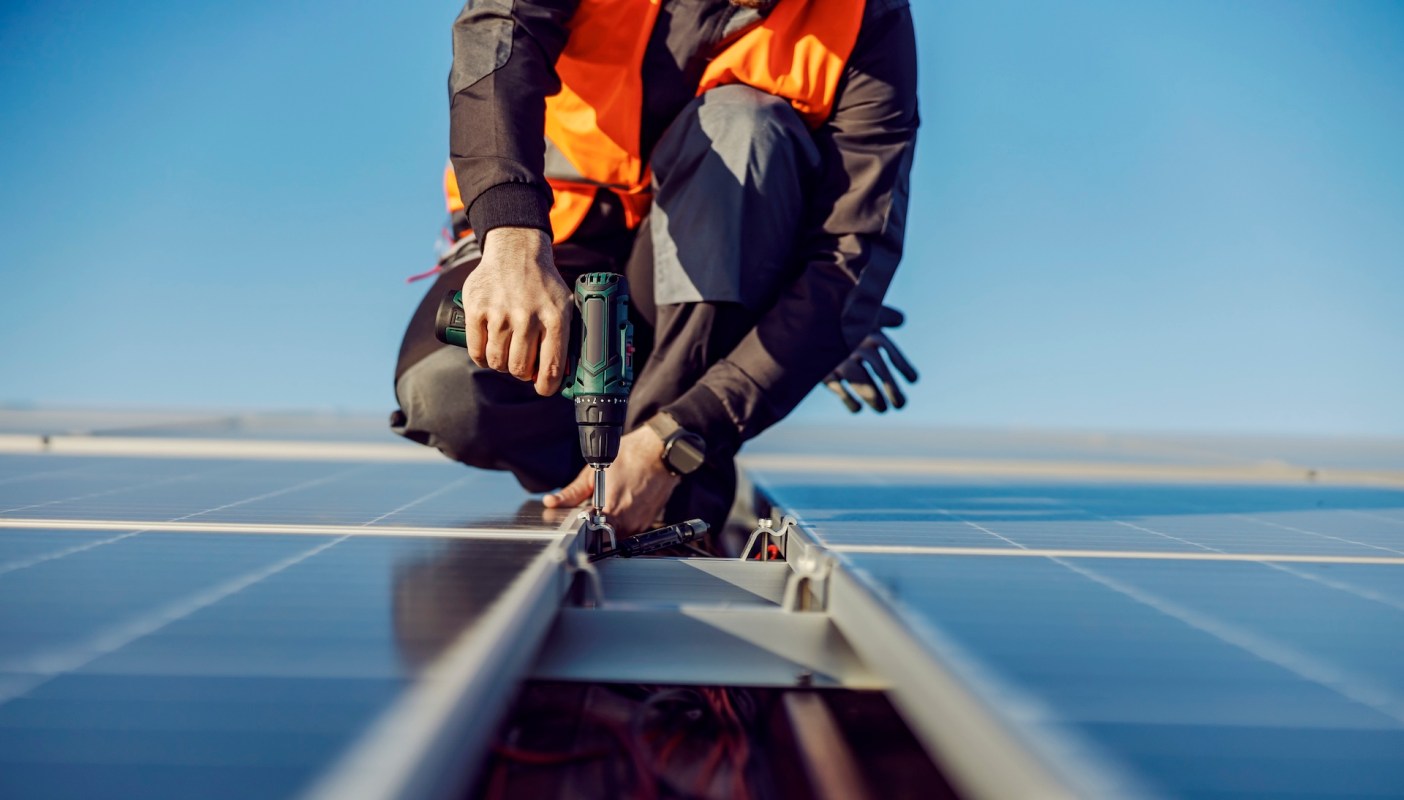
With power costs climbing, more Virginians are signing up for a group-purchasing solar program aimed at lowering installation prices.
Interest has been picking up in Alexandria and in communities outside Northern Virginia as homeowners search for relief on energy bills.
According to ALXnow, Switch Together, once limited to Fairfax and Arlington counties, now operates in more than 100 Virginia localities and is expected to keep expanding across the state.
Some 3,538 Virginians have signed up since Governor Abigail Spanberger announced the broader rollout in July.
What's happening?
The program has led to 348 solar installations across Virginia since 2023, including six in Alexandria.
In the city, 189 residents have registered, and 21 have placed deposits to continue with installations.
Switch Together partner director Sukrit Mishra said the group-buying setup can cut solar installation costs by 15% to 25% compared with standard market prices.
"I call it the Costco model," Mishra told ALXnow.
Save $10,000 on solar panels without even sharing your phone number Want to go solar but not sure who to trust? EnergySage has your back with free and transparent quotes from fully vetted providers that can help you save as much as $10k on installation. To get started, just answer a few questions about your home — no phone number required. Within a day or two, EnergySage will email you the best local options for your needs, and their expert advisers can help you compare quotes and pick a winner. |

Going solar is one of the best ways to save money on home energy, especially when utility rates are rising. Homeowners who want a sense of what they might pay can use comparison shopping tools like EnergySage, which is unaffiliated with the Switch Together program, to get quick solar installation estimates and compare quotes for free.
The program is open to single-family homeowners and small-business owners. Residents with larger commercial or multifamily projects can instead be referred to a separate consultation program. Virginia residents can sign up through October 15.
Why does it matter?
Lower utility bills and greater protection against future rate hikes are among the program's main draws. Solar customers who use net metering can also receive credits for excess electricity sent back to the grid, helping offset costs when demand is high.
Mishra said concern over climbing utility costs is driving interest in the program.
More From EnergySage
💡Go deep on the latest news and trends shaping the residential solar landscape
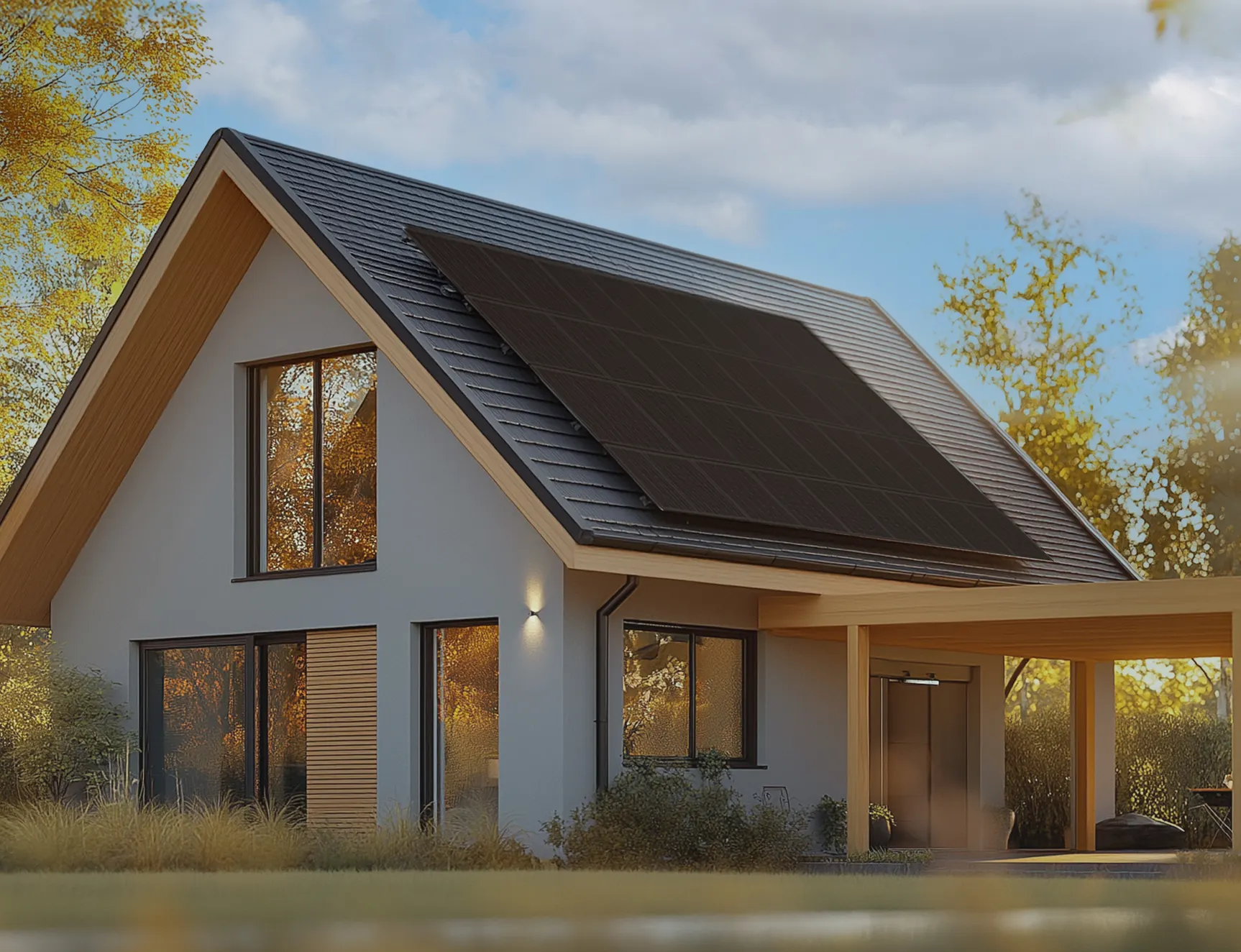
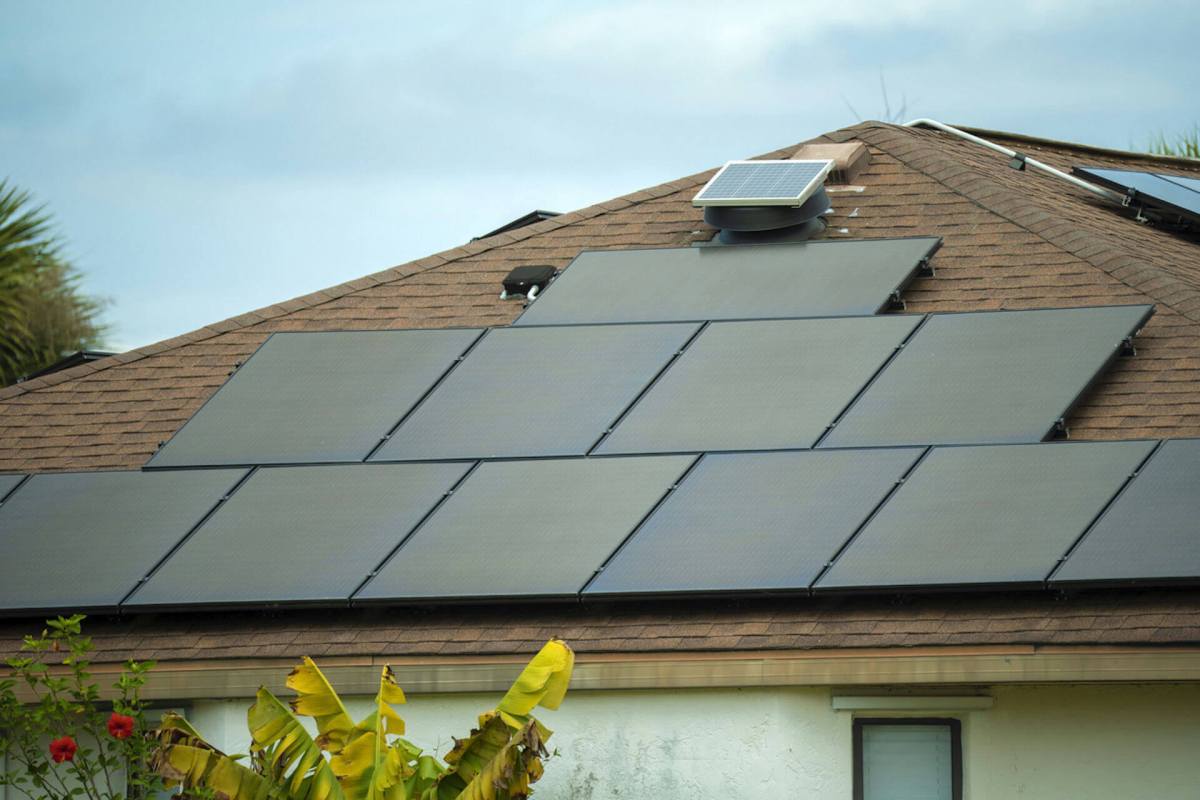
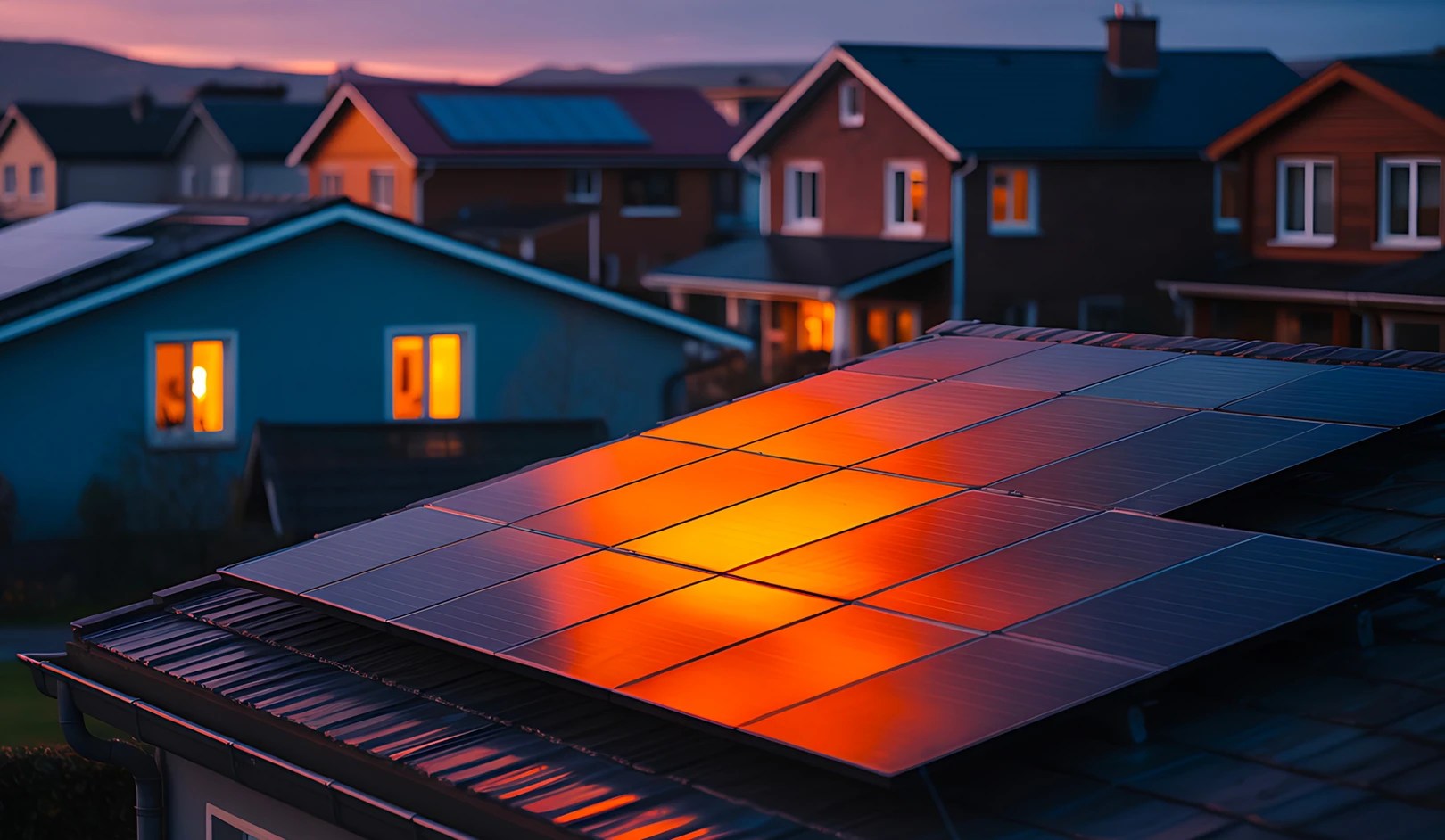

"I don't think this issue is exclusive to just folks in Virginia, but with the advent of data centers, with the continuing escalator rates when it comes to utility rates, folks need something to be immune to these prices," he said.
Northern Virginia resident Molly Roy described the savings.
"We have the net metering, so any electricity that we're producing through our solar panels, we don't have to pay for through Dominion [Energy]," Roy told ALXnow.
Roy added that her household also earns money by selling solar renewable energy credits on the voluntary market.
"Whenever we hit one megawatt hour, we get 30 bucks," she said.
What's being done?
Switch Together works with nonprofit partners such as Solar United Neighbors, which offers residents a help desk to guide them through contracts and installation. To receive an initial estimate, homeowners enter details such as ZIP code, roof slope, roof material, property height, and average utility bills.
Mishra said solar installations through the program typically have a payback period of six to eight years.
"It's basically a bulk purchase model where we are aggregating folks in this one group," Mishra said.
Free comparison tools can also make a big difference for shoppers trying to keep upfront costs down. With EnergySage's help, the average person can save up to $10,000 on solar purchases and installations. Meanwhile, EnergySage's solar map, which shows the average cost of a home solar panel system on a state-by-state level and details solar panel incentives for each state, can help people get the best price for rooftop solar panels.
Adding battery storage to a solar setup is one of the best ways to protect your home during outages, save money on energy, and go off-grid. Homeowners interested in backup power can explore EnergySage for free information about home battery storage options, including competitive installation estimates.

Get TCD's free newsletters for easy tips, smart advice, and a chance to earn $5,000 toward home upgrades. To see more stories like this one, change your Google preferences here.






