


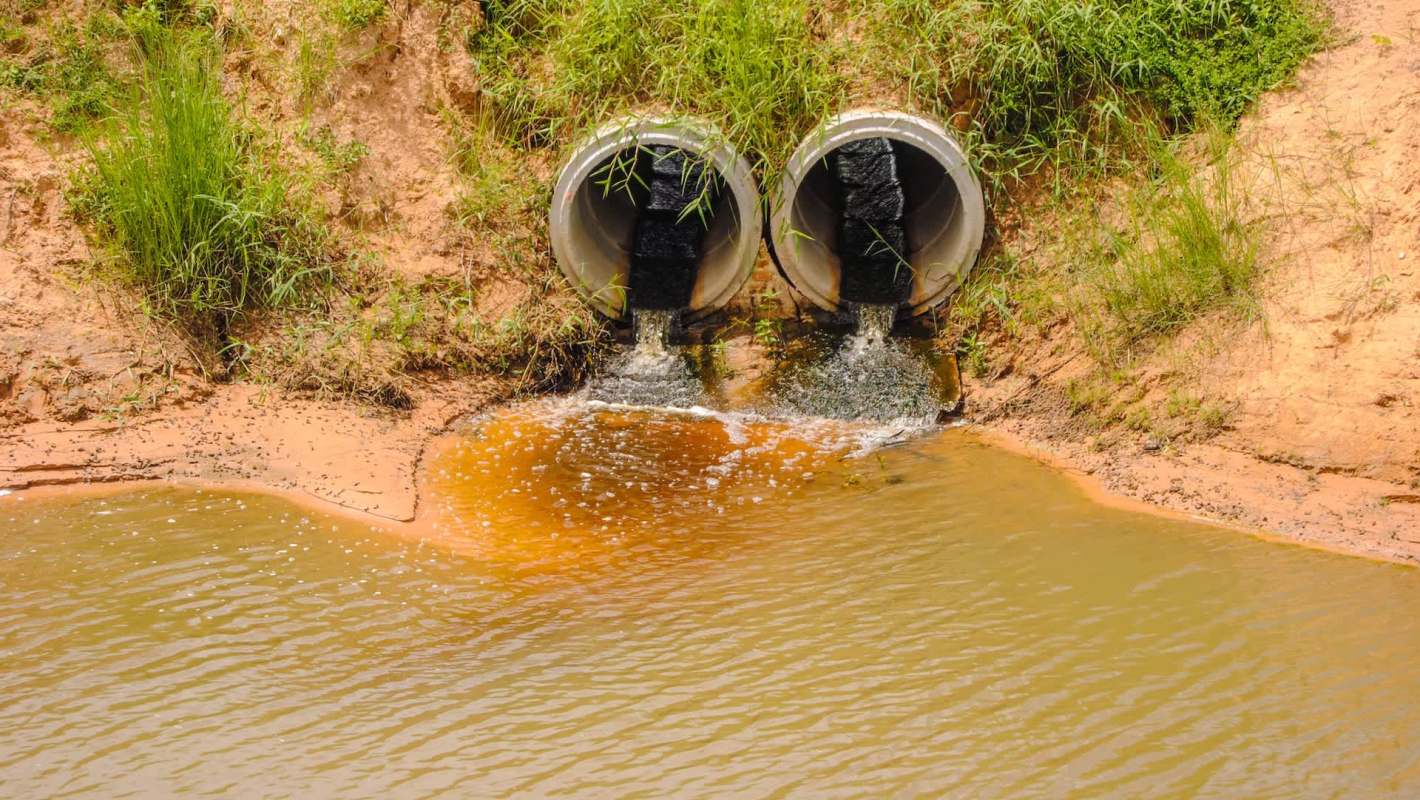
A flood of untreated factory waste is contaminating rivers and waterways in Bangladesh, deepening concerns about public health, labor conditions, and the true cost of cheap clothing.
What's happening?
Bangladesh's place at the center of the global fast-fashion supply chain carries a steep environmental price. The India New England News cited a report from Bangladesh's The Daily Star, which drew on World Bank figures, which said more than 7,000 factories in greater Dhaka collectively send about 634 million gallons (2.4 billion liters) of untreated effluent into nearby water bodies every day.
Because clothing manufacturing brings in nearly four-fifths of Bangladesh's export earnings, the industry's environmental footprint has massive national consequences.
With lax enforcement of environmental regulations, nearby communities are left to deal with the fallout. Dyes, chemicals, and other industrial waste are filling up rivers that are also used for irrigation, household needs, and local ecosystems.
Major fashion brands promoting carbon neutrality, circularity, and net-zero sourcing continue to buy from factories associated with severe local pollution, which puts their sustainability messaging under scrutiny.
Why does it matter?
"The people bearing these costs are the farmers who can no longer irrigate with river water, garment workers whose lungs have absorbed years of textile dust, and children in riverside slums whose developmental delays will never appear in a corporate ESG disclosure," The Daily Star reported.
TCD Picks » Quince Spotlight
💡These best-sellers from Quince deliver affordable, sustainable luxury for all




A Bangladesh brief from the Lancet Commission estimated that pollution in the air, water, and soil is responsible for 26.6% of deaths nationwide. This is more than an environmental problem; it is also a public health crisis tied to air pollution, chronic illness risks, and an industry that has long faced criticism for exploitative labor practices linked to huge volumes of cheap clothing.
Fast fashion may seem inexpensive at checkout, but poorly made garments often wear out quickly, lose their shape, and need frequent replacement. That turns low upfront prices into repeated spending, while the environmental damage is offloaded onto communities far from the mall or online cart.
What's being done?
Bangladesh has taken some steps toward greener manufacturing, with 273 factories having received LEED green certification. Still, the Daily Star report stressed that greener buildings alone do not prove the full production process is environmentally responsible since such certifications "do not automatically guarantee that wet processing, dyeing, washing, and wastewater discharge are being managed across the entire production chain."
Meaningful improvement will likely require stronger enforcement of wastewater rules, wider use of treatment systems, and more transparency from global brands about where their products are made and what pollution is generated along the way. Sustainability claims mean little if the dirtiest parts of production remain outside public accounting.

Get TCD's free newsletters for easy tips, smart advice, and a chance to earn $5,000 toward home upgrades. To see more stories like this one, change your Google preferences here.






