


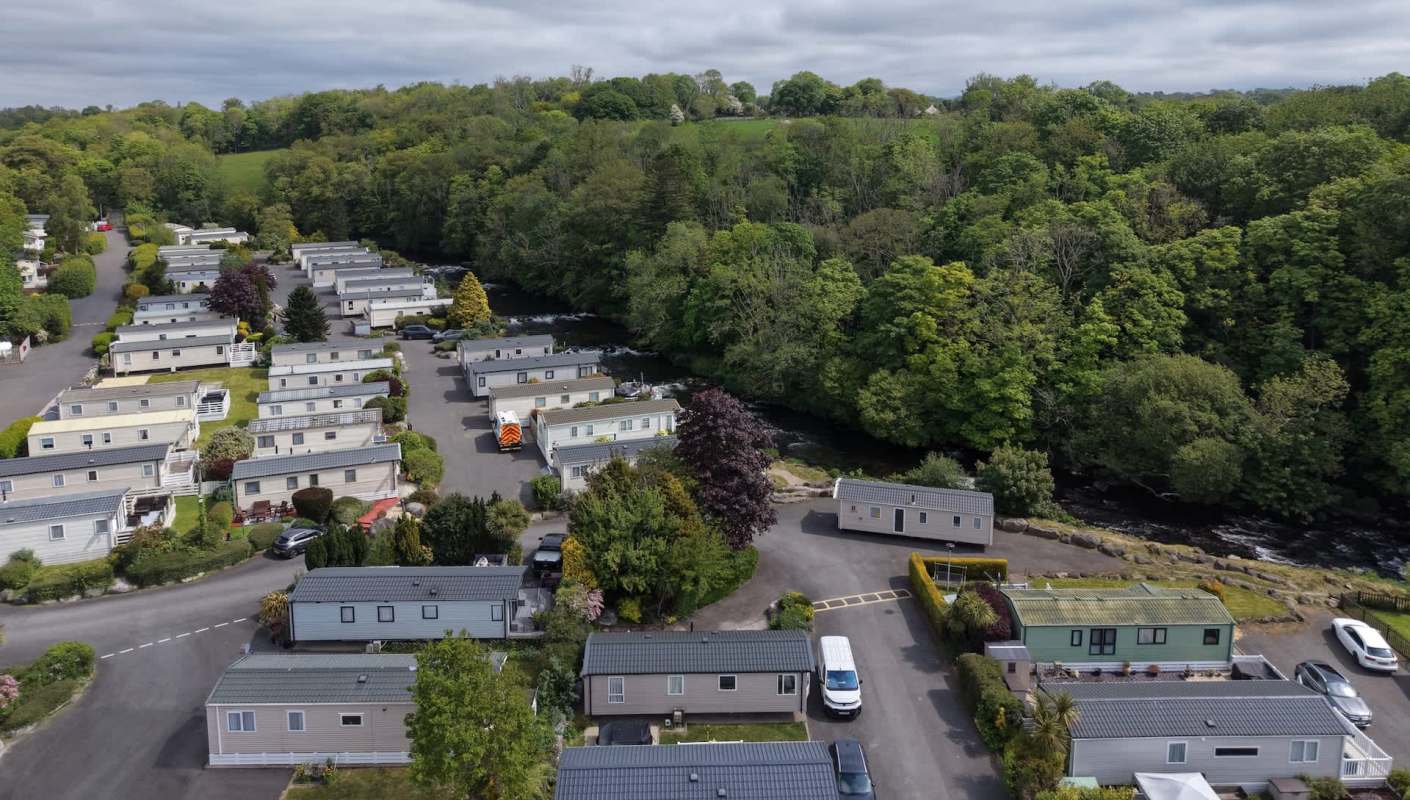
A dispute over electrical safety at a Tucson mobile home park has intensified. Arizona's attorney general alleged that the property's owners did not complete court-mandated testing on underground wiring that may endanger residents, according to KVOA.
Arizona Attorney General Kris Mayes is seeking sanctions against Redwood Thunderbird MHPS, LLC, and BoaVida Communities, LLC, which operate Redwood Mobile Home Park.
What happened?
The sanctions request focuses on a court order requiring insulation testing on the park's buried electrical lines.
Mayes alleged the companies did not comply with that requirement, which was included in a court-approved agreement connected to a consumer fraud case.
In the September 2025 lawsuit, the state accused the park owners of withholding information about an electrical system it said was unsafe and susceptible to failure during extreme heat. Arizona argued that those undisclosed issues put residents in danger, as damaged wire insulation can expose residents to electrocution risks.
KVOA reported that a judge scheduled a half-day hearing for August 21 to consider whether the park violated the court's preliminary injunction. If the court determines the companies violated orders issued under Arizona's Consumer Fraud Act, they could face penalties of up to $25,000 for each violation.
TCD Picks » Quince Spotlight
💡These best-sellers from Quince deliver affordable, sustainable luxury for all




Why is this concerning?
Problems with electrical infrastructure can determine whether people have safe, livable homes. This is especially true in Arizona, where extreme heat puts enormous strain on power systems and makes outages or failures even more dangerous to residents.
The case also highlights a huge issue in rental housing. Tenants often have limited power when owners fail to address safety concerns or resist changes that could improve daily life and reduce household costs. That can leave renters coping with rising utility costs while also dealing with rules or neglected infrastructure they cannot fix on their own.
In mobile home communities, where residents may own their homes but rent the land beneath them, those power imbalances can be especially frustrating. When alleged hazards involve electricity, delays can raise risks for families already coping with extreme heat, housing costs, and limited alternatives.
What's being done?
Mayes' office is asking the court to enforce the court order, with sanctions intended to pressure the park owners to comply. The Aug. 21 hearing could determine whether stronger consequences are needed to protect residents and uphold the original agreement.
Legal action cannot undo the stress residents may have already endured, but court enforcement can help ensure owners follow through on obligations that directly affect people's health and safety.
"Families at Redwood Mobile Home Park have been forced to live in unsafe conditions while corporate landlords ignored their duty to provide habitable living conditions," Mayes said, as KVOA reported. "Now it appears that these same landlords are ignoring court orders entered for the safety of their residents. We are asking the court to hold them accountable for their inaction."

Get TCD's free newsletters for easy tips, smart advice, and a chance to earn $5,000 toward home upgrades. To see more stories like this one, change your Google preferences here.






