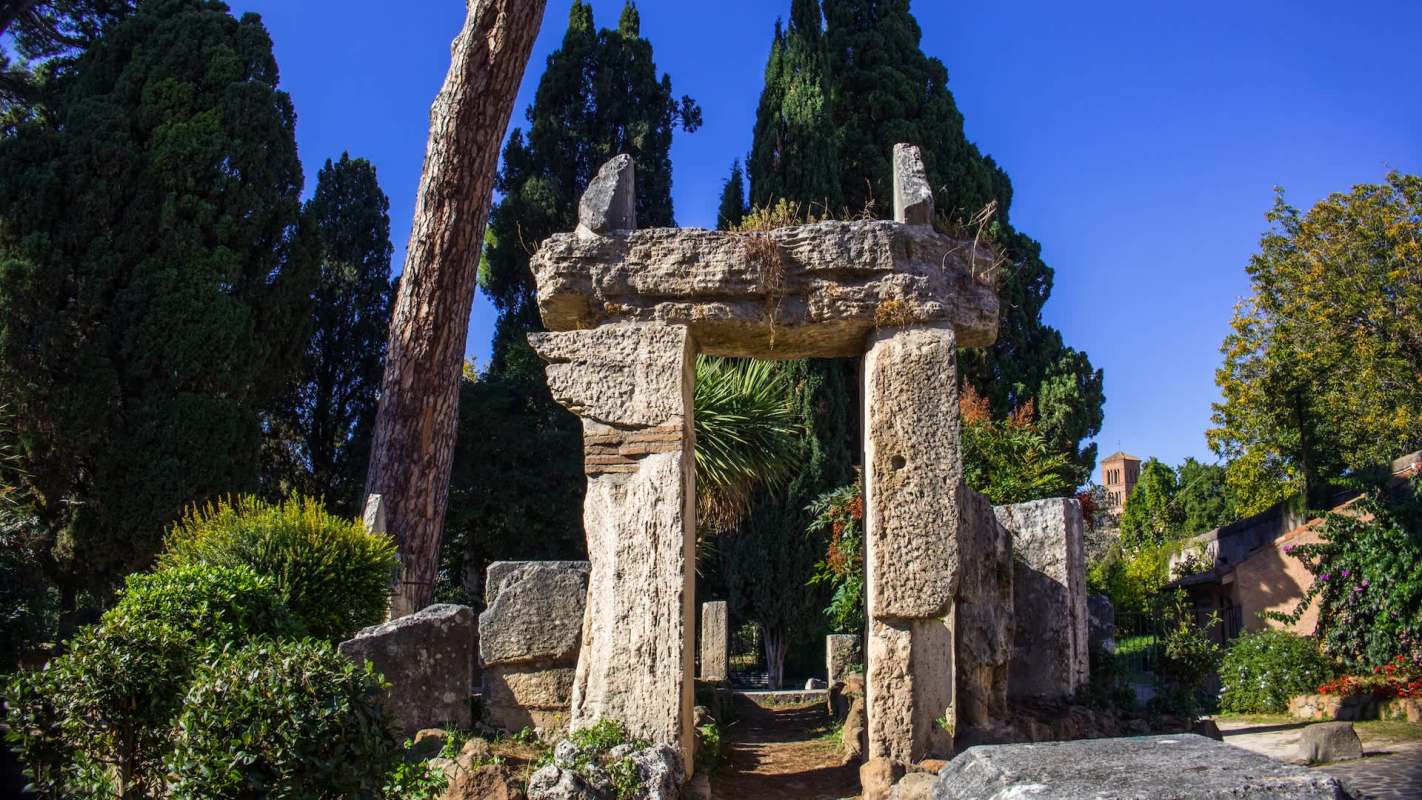
An unexpected archaeological discovery has emerged from a wall reinforcement project in Rome's Caelian Hill area, Euronews reported (via Yahoo).
The work ended up revealing a large Roman-era building decked out in tile work, wall paintings, and ornate ceilings that had sat hidden underground for centuries.
What happened?
According to Euronews, architects working at Villa Celimontana were strengthening an old wall and instead uncovered part of a decorated structure — its rooms holding mosaics, frescoes, and painted ceilings. Archaeologists have identified eight rooms so far. Five are fully excavated, and several others continue beyond the current dig area.
The site's closeness to the Roman Forum meant archaeologists had already considered the possibility of ancient remains. Even so, chief archaeologist Simona Moretta said the scale of the find was still a surprise, calling it "certainly not with this importance."
Researchers said one room contains two superimposed mosaics. The upper layer dates to the third century C.E. and the lower one to the second century C.E. Daniela Porro, special superintendent of Rome for archaeology, said the same room's building dates to the second century and was later altered in the third.
Among the most striking finds is a geometric mosaic of a dolphin and fish. There are also marble fragments, ceramics, painted plaster, and large sections of a decorated ceiling.
TCD Picks » Quince Spotlight
💡These best-sellers from Quince deliver affordable, sustainable luxury for all




Why does it matter?
With multiple decorated rooms already uncovered, the complex may help researchers better understand wealth, daily life, architecture, and the ways neighborhoods changed over time.
The find is especially notable because it emerged during routine stabilization work rather than a major planned excavation. It suggests important parts of the ancient city may still remain preserved beneath places modern residents and visitors pass every day.
Finds like this show the value of careful restoration and conservation. Without that work, fragile surfaces could be damaged or lost before experts have a chance to study them.
Preserving old infrastructure and historic sites can also spotlight art and cultural knowledge that could support education and heritage tourism.
What's being done?
According to Euronews, the work is part of an ongoing restoration effort backed by Italy's National Recovery and Resilience Plan and the European Union.
Teams at the excavation are washing and logging hundreds of recovered artifacts. The finds may help archaeologists determine the building's original purpose and how it changed over time.
Restorers are also focusing heavily on the ceiling. Moretta said large sections survived well enough to be organized for reconstruction, raising hopes that much of the room's original decorative design can be recovered.
Researchers are working to determine what the building was used for. Porro said it may have served as a domus for an important Roman family, but it could have served as barracks linked to ancient Rome's fire brigade.

Get TCD's free newsletters for easy tips, smart advice, and a chance to earn $5,000 toward home upgrades. To see more stories like this one, change your Google preferences here.