


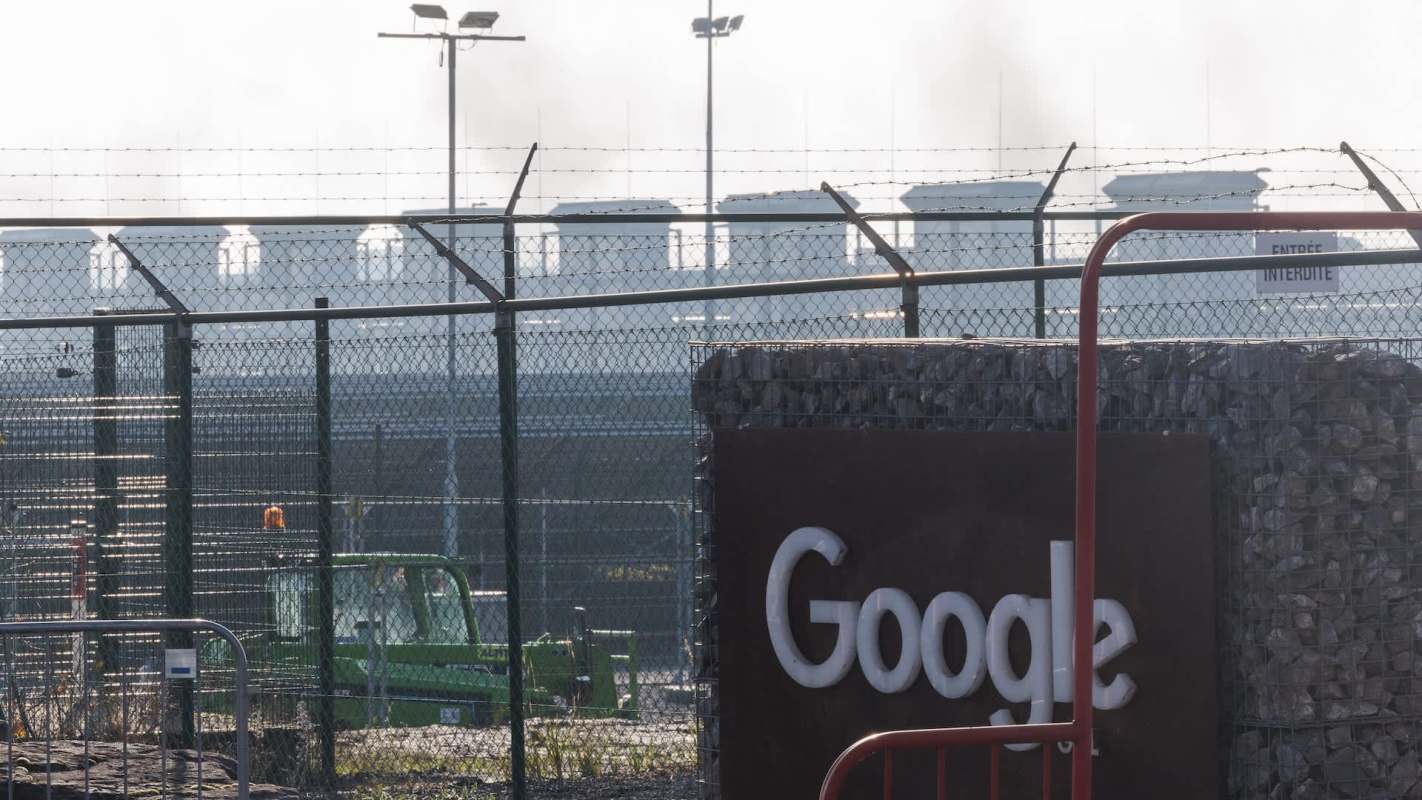
Federal wetlands near Fort Wayne, Indiana, could be converted for another phase of Google's sprawling data center complex, removing land that shields nearby areas from flooding.
The area in question is a little over 4 acres, and the change would replace part of the natural flood-control zone with facilities tied to a private technology project.
What's happening?
According to Futurism, which cited local outlet WANE, Hatchworks — a developer involved in Google's data center plans — applied to buy 4.3 acres of forested federal wetlands for phase three of Project Zodiac, Google's $2 billion hyperscale development.
The application says that 2.1 acres could be filled and paved for three buildings, wastewater pipes, and electrical infrastructure. Though much of the larger campus is planned for already paved farmland, this portion would extend into a wooded wetland.
"It was determined that meeting the project purpose and completely avoiding water resources was not feasible," Hatchworks stated in a filing with the Indiana Department of Environmental Management, according to Futurism.
The proposal is set for an online public hearing Aug. 25, with developers looking to start construction Sept. 14.
TCD Picks » Quince Spotlight
💡These best-sellers from Quince deliver affordable, sustainable luxury for all




Why does it matter?
Beyond serving as wildlife habitat, wetlands absorb rainwater and slow its movement, reducing flooding, runoff, and erosion.
Once a wetland is destroyed, its flood-control value can be lost for good. Replacing that function often means communities face higher risks and greater infrastructure costs later on.
The project reflects a tension playing out across the country as the rapid growth of energy- and land-intensive data centers comes at the expense of environmental protections. Even when the affected area is small, building into a floodplain can have consequences for nearby residents, ecosystems, and future land use.
Prior phases of the Google campus have already been completed, as Futurism noted, making this application part of an expansion.
What's being done?
The wetland proposal still has to move through state permitting, and the public hearing will give residents and other stakeholders a formal opportunity to weigh in before a final ruling.
Public feedback can influence permit conditions, mitigation requirements, and whether a project is allowed to move forward as designed.
Siting major developments on already disturbed land — rather than expanding them into sensitive wetlands — can reduce harm while still allowing communities to pursue jobs and investment.
"Environmental stewardship is central to our data center design," a Google spokesperson said, according to Futurism. "... To address minimal impacts across approximately 9 acres, we're providing over 18 acres of mitigation credits for a 2-to-1 net gain in conserved and restored wetlands in Allen County and across Indiana."

Get TCD's free newsletters for easy tips, smart advice, and a chance to earn $5,000 toward home upgrades. To see more stories like this one, change your Google preferences here.






