


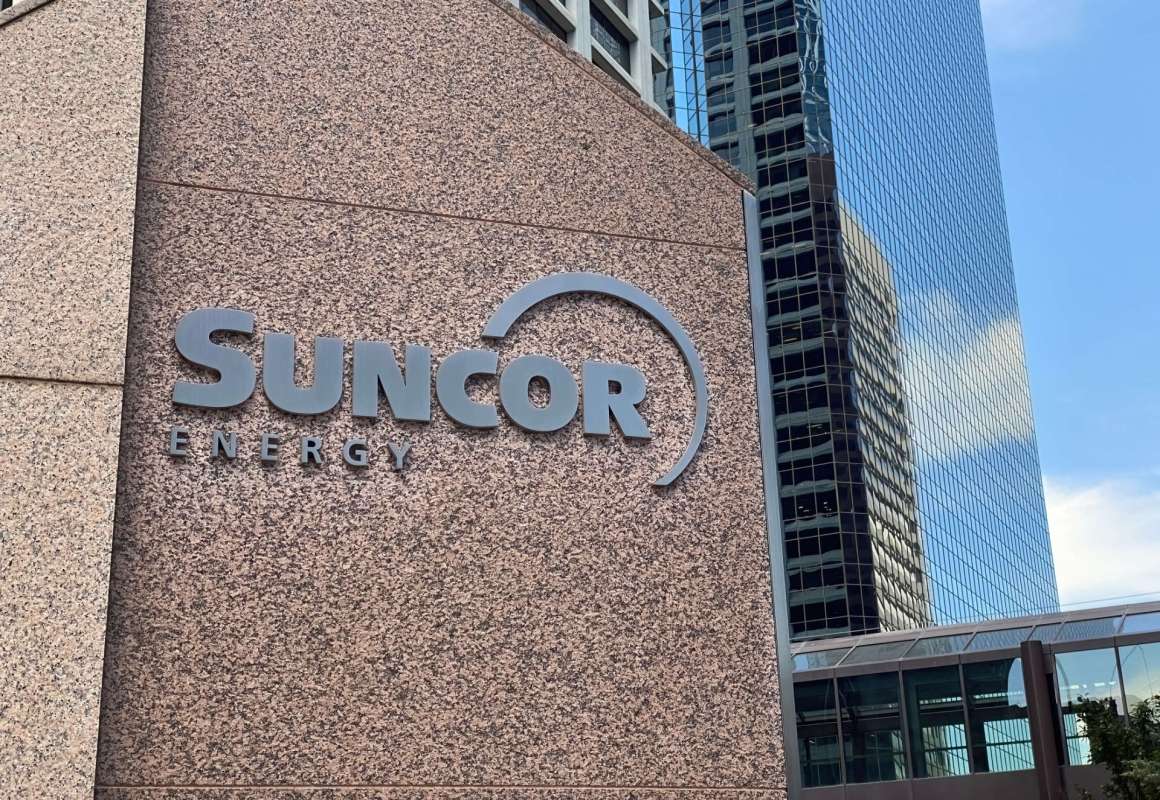
A new appeals-court decision has revived litigation over pollution from Suncor's refinery in Commerce City, allowing environmental organizations and nearby residents to keep pursuing claims tied to Colorado's enforcement efforts.
But what's really at stake is a broader question: When agencies rely on penalties, settlements, and consent decrees, can communities still go to court if the alleged violations persist?
What happened?
According to The Colorado Sun, the 10th U.S. Circuit Court of Appeals said a coalition of citizen groups — including Earthjustice, Colorado GreenLatinos, Sierra Club, and other organizations — may continue its case over repeated pollution violations at Suncor.
In 2024, a federal judge in Denver threw out the lawsuit after agreeing with Suncor that Colorado's settlements and consent decrees showed the state was already enforcing pollution laws, which the company argued left no role for outside groups.
The appellate judges rejected that approach and sent the matter back, telling the lower court to more carefully examine whether the government's actions were actually diligent enough.
In its ruling, as reported by The Sun, the appellate panel said the district court "appeared to lump together and weigh equally all the administrative actions taken by EPA and Colorado, even the ones that imposed no consequences on Suncor."
TCD Picks » Quince Spotlight
💡These best-sellers from Quince deliver affordable, sustainable luxury for all




Suncor attorney Hugh Gottschalk had argued that "this court should defer to the discretion of the agencies and how they're tackling this problem." The Sun reported that Suncor officials did not immediately comment.
Why does it matter?
For people who live near major industrial sites, the case could help determine whether there's a meaningful way to seek relief when pollution problems continue for years.
The groups involved in this suit argue that North Denver and nearby lower-income neighborhoods have endured heavy contamination, while the penalties imposed so far have been too small to produce lasting change.
The conflict points to a divide between enforcement actions on paper and the air residents actually breathe around their homes, schools, and workplaces.
What's being done?
The next step is for the trial court to review what Colorado and federal regulators have done so far and decide whether those measures meaningfully differ from what the citizen groups want the court to require.
That leaves the larger lawsuit active, with the underlying dispute still unresolved.
In a statement, Margaret Kran-Annexstein, director of Colorado Sierra Club, said, "For decades Suncor has delivered extraordinary levels of toxic pollution to North Denver and been fined pennies." She added that "the court of appeals recognized the right of community members to challenge violations to federal air regulations."
According to The Colorado Sun, GreenLatinos vice president for state programs Ean Tafoya said, "This decision is deeply personal."
Kran-Annexstein added, "When decision-makers fail to enforce the law, we must be able to fight back."

Get TCD's free newsletters for easy tips, smart advice, and a chance to earn $5,000 toward home upgrades. To see more stories like this one, change your Google preferences here.






