


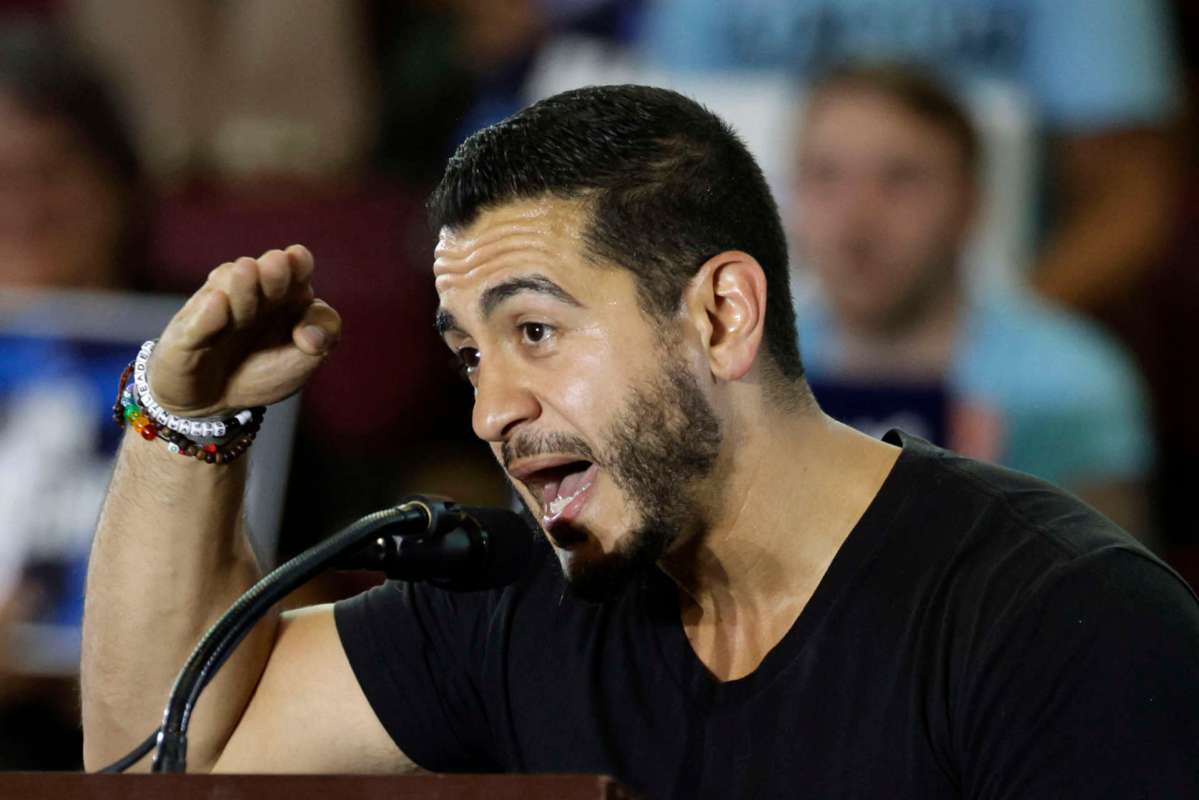
After OpenAI and Oracle began work on a massive data center in Saline Township, Michigan, U.S. Senate candidate Abdul El-Sayed purposefully held a rally outside the construction site, NPR reported.
What happened?
According to NPR, El-Sayed used a rally at the Saline Township site to tie the project to wider concerns about political influence, local control, and unchecked development.
"I stand with local and state elected officials saying that we cannot approve any more of these until we have federal-level guardrails," El-Sayed declared, per NPR.
Opposition to data centers is now shaping campaigns for candidates in both major parties. Gallup polling found that 7 in 10 Americans would oppose an AI data center in their area.
Similar concerns are surfacing in campaigns around the country, NPR revealed. In Ohio, candidate for governor Amy Acton has backed a "conditional moratorium." Gubernatorial nominee Vivek Ramaswamy has called for an "Ohioans-first data center pledge" and a moratorium until legislation passes.
In Michigan's 7th Congressional District, NPR noted candidate William Lawrence said voters kept raising the issue. And in Wisconsin, candidate for governor Francesca Hong has made a moratorium a central part of her gubernatorial campaign.
TCD Picks » Quince Spotlight
💡These best-sellers from Quince deliver affordable, sustainable luxury for all




Why is this important?
AI systems like chatbots depend on data centers, which are large facilities packed with servers.
Supporters of the technology argue that AI can offer real benefits. It can improve forecasting and even optimize cleaner energy systems by integrating renewable sources into the grid more efficiently.
Still, those same systems are deeply tied to the energy grid in ways that are alarming many residents.
Because AI tools require enormous computing power, the data centers behind them can use vast amounts of electricity and water. Residents worry that this can mean higher utility bills, persistent air and noise pollution, and communities giving up local resources without receiving meaningful benefits in return.
Amanda Litman, founder of Run For Something, told NPR the unease is universal.
"We're hearing it from urban, from rural, from suburban," she relayed. "We're hearing it in red states, blue states, purple states. It's all kinds of communities, which I think is really speaking to how visceral people feel this is coming for them."
What's being done?
Candidates are increasingly responding with policy proposals, NPR noted.
El-Sayed has called for federal guardrails before additional projects move forward. Ramaswamy said the industry "has badly failed to earn the trust of millions of everyday Ohioans" in a campaign statement. He's even proposed requiring data center companies to cover nearby residents' power bills.
Whether the solution is at the federal, state, or local level, it's clear that politicians are digesting the public's message loud and clear.

Get TCD's free newsletters for easy tips, smart advice, and a chance to earn $5,000 toward home upgrades. To see more stories like this one, change your Google preferences here.






