


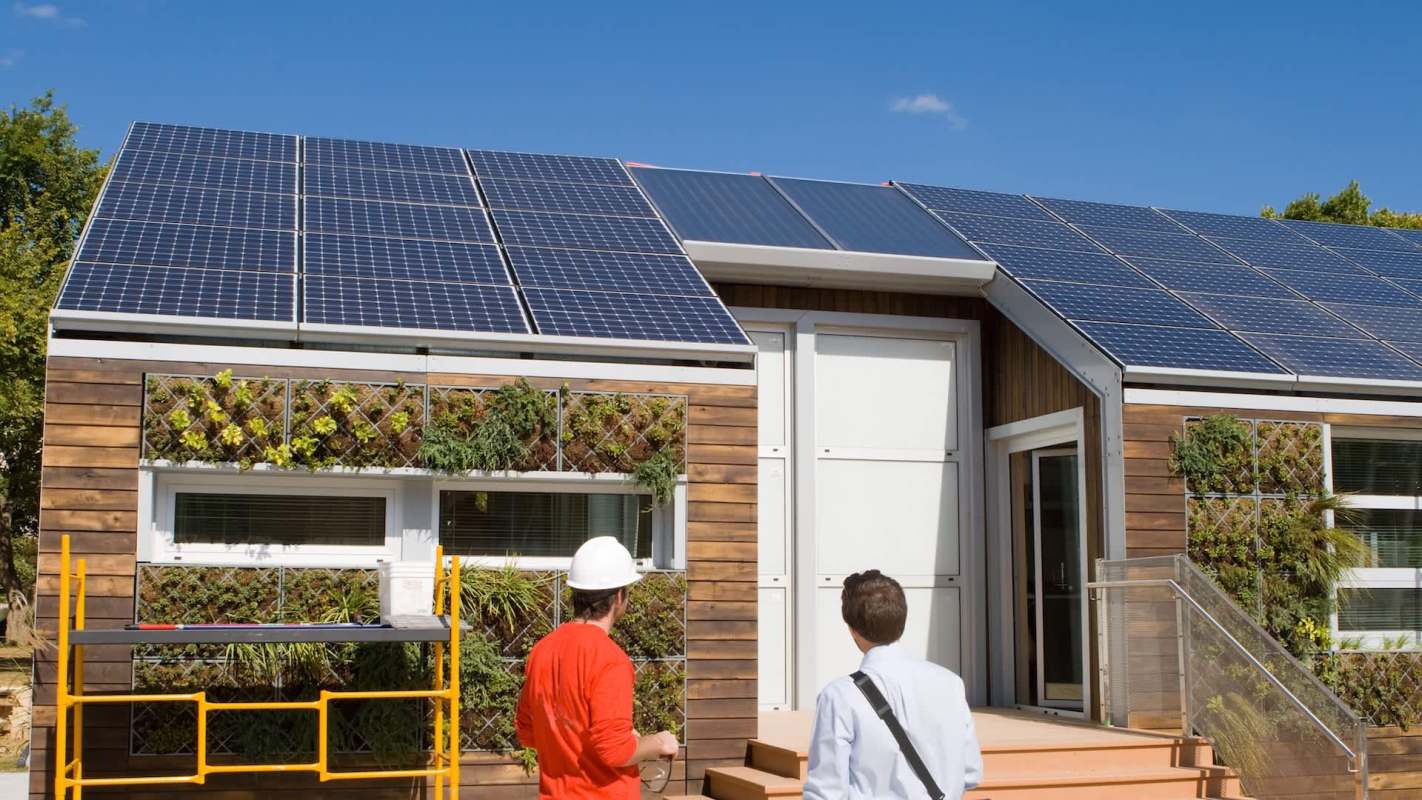
A Florida homeowner says the solar panels on their roof have been doing exactly what they were supposed to do: cutting the electric bill to nearly nothing. But after a Chapter 7 bankruptcy discharged the debt linked to the system, the situation has become much less certain.
The pressing question is whether the installer, Sunrun, could remotely disable the setup before the homeowner can arrange a buyout.
What's happening?
In a post on Reddit, the homeowner said their Florida home has a 17-kilowatt Sunrun solar panel system. The poster explained that, despite filing for Chapter 7 bankruptcy, Sunrun still had not removed the solar panels from the home.
According to the post, the panels are working as intended, and the homeowner wants to negotiate a purchase of the system and transfer any lien so they can keep it outright. They also want to know what it might cost to restore service if Sunrun chooses to shut the system down remotely.
Solar can deliver major savings on household energy costs, but the agreements attached to a system are often more complex than they first appear. If money problems interrupt the original deal, those contract details can suddenly matter a lot.
Why does it matter?
For many households, solar is supposed to offer predictability. Lower monthly bills are a major selling point.
TCD Picks » Quince Spotlight
💡These best-sellers from Quince deliver affordable, sustainable luxury for all




There is a major difference between owning a solar system outright and having one tied to a lease, loan, or other agreement. If a company still holds rights to the equipment or has a lien attached to it, a homeowner may not have full control, even if the panels are physically installed on their roof.
Bankruptcy can add another layer of confusion. A debt being discharged does not always mean every claim connected to the property disappears the same way. That can create a frustrating and potentially expensive gray area: a system that produces power, lowers bills, and still may not feel fully secure.
While solar is a tried and true investment that is helping people across the U.S. save significantly on energy costs, it's important to work with vetted installers and fully understand a system before signing on any dotted lines.
What can I do?
If you find yourself in a similar situation, a first step is to gather every document tied to the system: the installation agreement, financing or lease paperwork, lien filings, and any bankruptcy records. The most important questions are who legally owns the equipment, who controls the activation, and what amount — if any — would fully clear the account.
It can also help to ask the provider for a written explanation of the system's status. Verbal reassurances are not the same as a written payoff amount or transfer process.
If bankruptcy is part of the picture, homeowners may want to speak with a bankruptcy attorney and a local consumer or real estate attorney before sending money for a buyout. That can help clarify whether the payment would actually result in clear ownership and continued access to the system.

Get TCD's free newsletters for easy tips, smart advice, and a chance to earn $5,000 toward home upgrades. To see more stories like this one, change your Google preferences here.






