


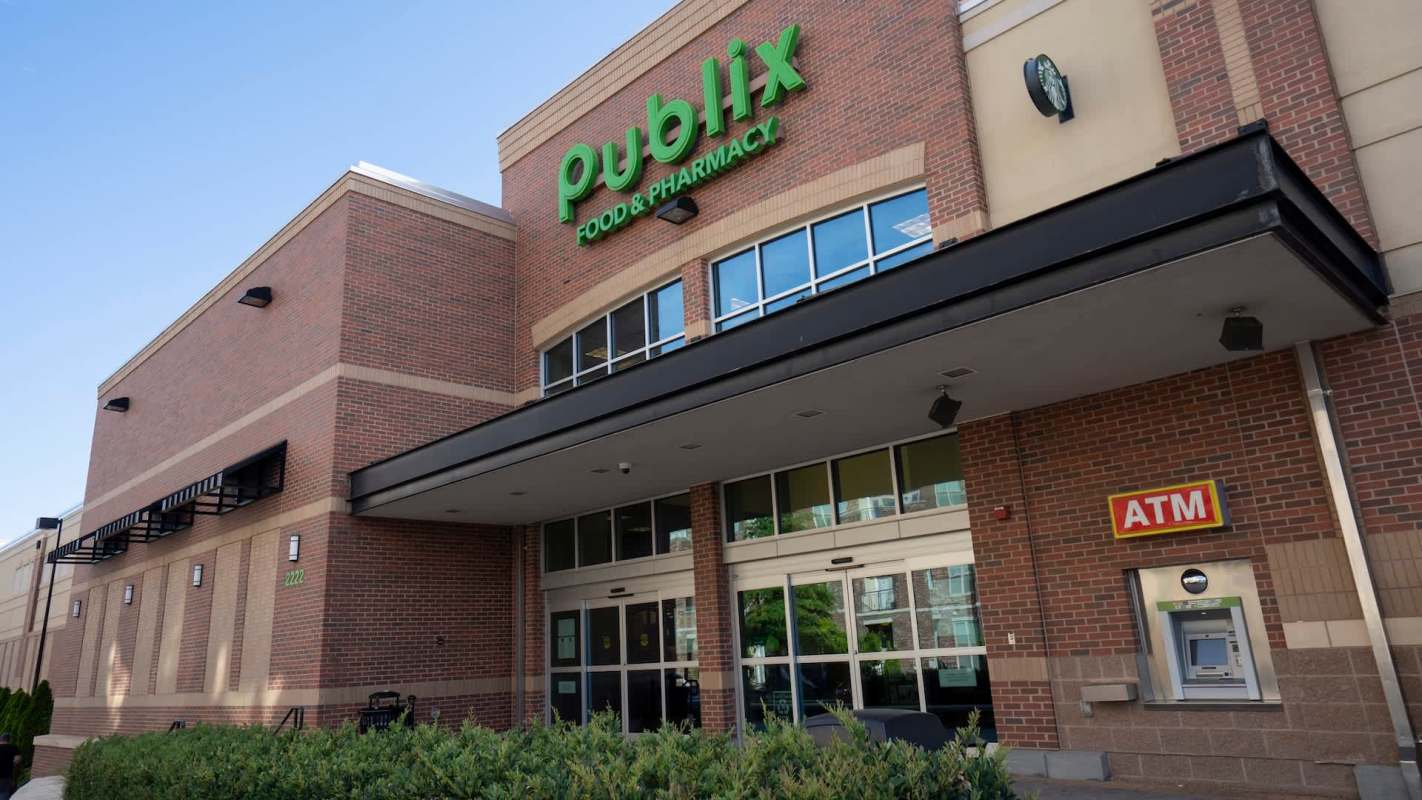
Publix is feeling the effects of a growing shift in shopper behavior as customers become more cautious at the checkout line. After months of frustration over store policy decisions, the grocery chain is now facing another challenge: Consumers are buying less, searching more aggressively for deals, and changing where they shop.
What's happening?
According to TheStreet, Publix said its comparable store sales fell 0.5% in Q2 2026 from the same quarter a year earlier, a sign that even a major regional grocer is not immune to tighter household budgets.
The retailer pointed to two main factors behind the decline: economic pressure on shoppers and the effects of the MFP, or maximum fair price, change, which took effect Jan. 1 for 10 select prescription drugs.
The results came during an uneasy stretch in Publix's relationship with customers.
In March 2026, Publix ended Publix Pay, its contactless in-app payment feature. Then, in May 2026, the company drew criticism after placing notices at Florida store entrances and inside locations telling only law enforcement they could openly carry firearms.
Publix had already reported no year-over-year change in comparable store sales for the first quarter of 2026 compared with the same period in 2025.
TCD Picks » Quince Spotlight
💡These best-sellers from Quince deliver affordable, sustainable luxury for all




In its press release, Publix CEO Kevin Murphy acknowledged the broader strain on consumers, saying, "I'm grateful for our associates' commitment to our customers, our communities and each other, especially during this difficult economic time."
Why does it matter?
Grocery prices were up 2.7% year over year in June, according to the Consumer Price Index, and shoppers are adjusting their habits in ways that could ripple through the retail industry.
A Relex Solutions survey found that 61% of U.S. consumers said rising prices had led them to adjust the amount of food they buy. Another 40% reported shopping at discount retailers more often, while 54% said lower prices are the top step retailers can take to help with expenses.
Publix has also faced criticism on social media for charging more.
Relex Solutions vice president of product and platform Laurence Brenig-Jones said, "For retailers and manufacturers, the biggest risk is assuming consumers are responding to rising costs in the same way."
He added, "Consumers are making highly individualized decisions based on price, health goals, value and household priorities."
What's being done?
Grocers are responding by leaning further into price cuts.
Based on Numerator figures cited by TheStreet, Walmart held the top U.S. grocery market share at 20.3% in the 12 months ended June 30. Walmart introduced 7,200 rollbacks during the first quarter and announced additional summer markdowns in July. Kroger also said it would cut prices on thousands of items.
Kroger CEO Greg Foran said in an interview with Bloomberg in May: "The reality is, the basket has to come down. It needs to be across thousands of products, and it has to be something that passes the commonsense piece with customers."
In a Grocery Dive report, Neil Saunders, retail analyst and managing director of GlobalData Retail, said steady low prices matter more than temporary promotions because shoppers want confidence that their full trip will remain affordable.
Saunders added: Shoppers want reassurance "that their whole cart isn't going to cost them an arm and a leg."

Get TCD's free newsletters for easy tips, smart advice, and a chance to earn $5,000 toward home upgrades. To see more stories like this one, change your Google preferences here.






