


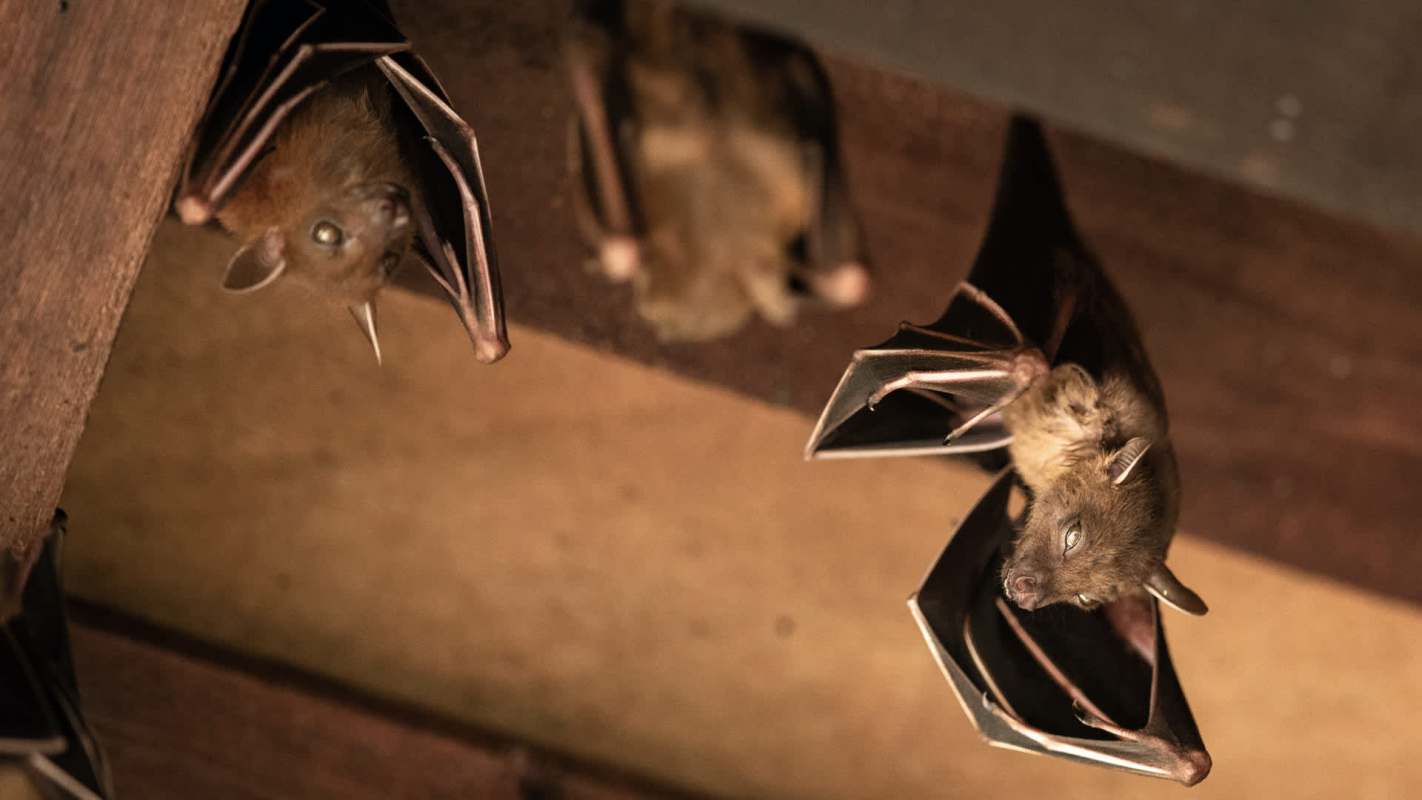
A Golden Valley homeowner's sighting of a bat indoors led to a larger discovery: multiple bats were living in the house, and one of them was later confirmed to have rabies.
The Minnesota case is a reminder that even a tiny opening to the outdoors can give wildlife a way inside — and potentially pose a serious health risk.
What happened?
A resident contacted Skedaddle Humane Wildlife Control after noticing a bat flying in the living room. During a follow-up inspection, technicians found more bats roosting in the attic and traced their access point to a gap by the fireplace.
As reported by local news outlet Bring Me The News, Skedaddle Humane Wildlife Control said rabies was confirmed in one of the bats taken from the home. The University of Minnesota Veterinary Diagnostic Laboratory verified the positive test.
Skedaddle said crews removed seven other bats from the property. The company told Bring Me The News that August is usually the busiest time for bat activity in Minnesota because young bats are beginning to leave their maternal colonies.
Bats help control insect populations, but even a small opening in a home can become a public health concern, enabling wild animals to enter human spaces.
TCD Picks » Quince Spotlight
💡These best-sellers from Quince deliver affordable, sustainable luxury for all




Why is it concerning?
In Minnesota, rabies is found primarily in bats and skunks, according to the Minnesota Department of Health. While the disease is uncommon, it is usually fatal once symptoms begin, which is why officials stress caution after any possible bat exposure.
Even if you don't believe you or a household member was bitten, physicians may still advise a full course of treatment. One reason bat encounters are treated carefully is that their bites can be tiny and may leave no clear sign of injury. The department advises people to get medical guidance whenever there is a possibility that physical contact with a bat occurred, even if no wound is visible.
Wildlife is often drawn into houses, chimneys, attics, and wall spaces because human-built structures can provide a sheltered environment animals naturally seek. At the same time, building developments and habitat disruption can bring people and wild animals into closer contact.
Home maintenance, housing design, and expanding construction can all influence how often risky encounters occur.
What can I do?
Prevention often begins with checking for and then safely addressing small openings around rooflines, vents, chimneys, and fireplaces. Even minor gaps can be enough for bats to get inside and establish a roost, especially during active times of year.
If a bat gets into a home, experts generally recommend avoiding direct contact and calling trained wildlife professionals instead of trying to remove it by hand. Doing so can reduce the risk of bites while also improving the chances that the animal is handled humanely.
If someone wakes up in a room with a bat, finds one near a child, or believes there may have been skin contact, the safest next step is to contact a doctor or public health official. Because rabies exposure is not always obvious, getting medical advice quickly is critical.

Get TCD's free newsletters for easy tips, smart advice, and a chance to earn $5,000 toward home upgrades. To see more stories like this one, change your Google preferences here.






