


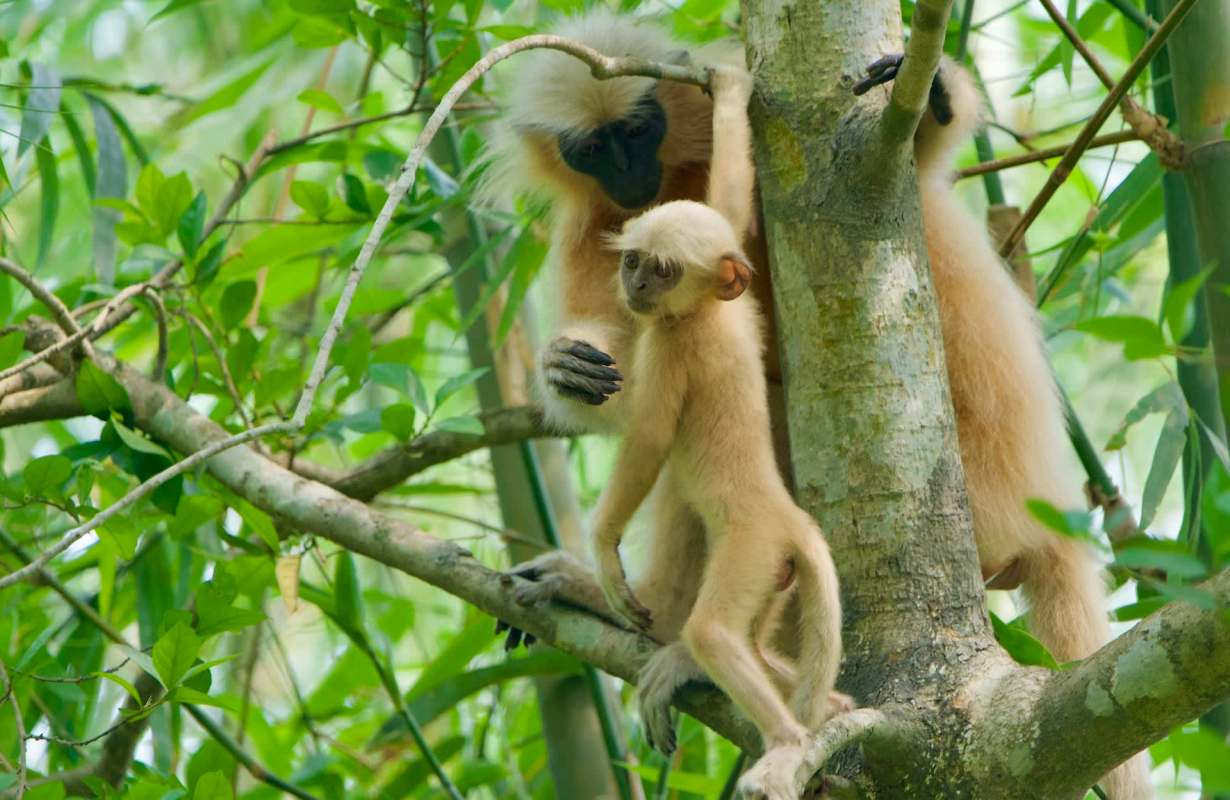
The recovery of seven endangered golden langurs in India after surviving a wildlife trafficking operation underscores how protecting vulnerable species can also support the forests and communities tied to healthy ecosystems.
What happened?
According to World Animal News, after a tip through the Wildlife Trust of India's wildlife crime prevention efforts, traffickers were stopped in Assam and found with eight golden langurs in sacks and cramped cages. Tragically, one did not survive the journey.
Golden langurs are endangered primates found mainly in parts of India and Bhutan. They are known for their striking pale-gold coats which have made them targets in the illegal wildlife trade. Habitat loss and fragmentation have only added to the danger, putting already limited populations at even greater risk.
Rescued animals do not always make it back to the wild. Trafficking can leave primates injured, stressed, or too accustomed to human contact to survive on their own. Getting seven individuals to the point where they could be safely returned required a coordinated effort involving rescue, treatment, and rehabilitation.
According to the International Fund for Animal Welfare, the group has remained together in Sikhna Jwhwlao National Park in Assam where they were released and are surviving well while forest staff continue to monitor their progress.
Why does it matter?
Wildlife trafficking is not just a conservation issue. It can disrupt local ecosystems, threaten biodiversity, and weaken the natural systems nearby communities rely on. Primates such as golden langurs play an important role in forest health, particularly through seed dispersal to help forests regenerate.
TCD Picks » Quince Spotlight
💡These best-sellers from Quince deliver affordable, sustainable luxury for all




Healthy forests can support cleaner air and water, help store climate-warming pollution, and protect landscapes that sustain local livelihoods. When endangered animals disappear, the effects often ripple outward in ways that can affect entire regions.
The case also reflects the ongoing demand for illegally traded wildlife. Even as conservation awareness grows, trafficking networks continue to profit by taking animals from the wild. Each successful rescue and release offers hope, but stronger prevention is still needed so fewer animals are captured in the first place.
What's being done?
The release of these seven langurs demonstrates the value of wildlife rescue and rehabilitation programs. When anti-trafficking enforcement is paired with veterinary care and expert reintroduction efforts, animals have a better chance of recovering and contributing to wild populations once again.
Conservation groups, forest officials, and animal welfare teams often work together in cases like this, from intercepting trafficked animals to preparing them for release. That kind of collaboration can improve outcomes not only for individual animals but also for species recovery over time.

Get TCD's free newsletters for easy tips, smart advice, and a chance to earn $5,000 toward home upgrades. To see more stories like this one, change your Google preferences here.







