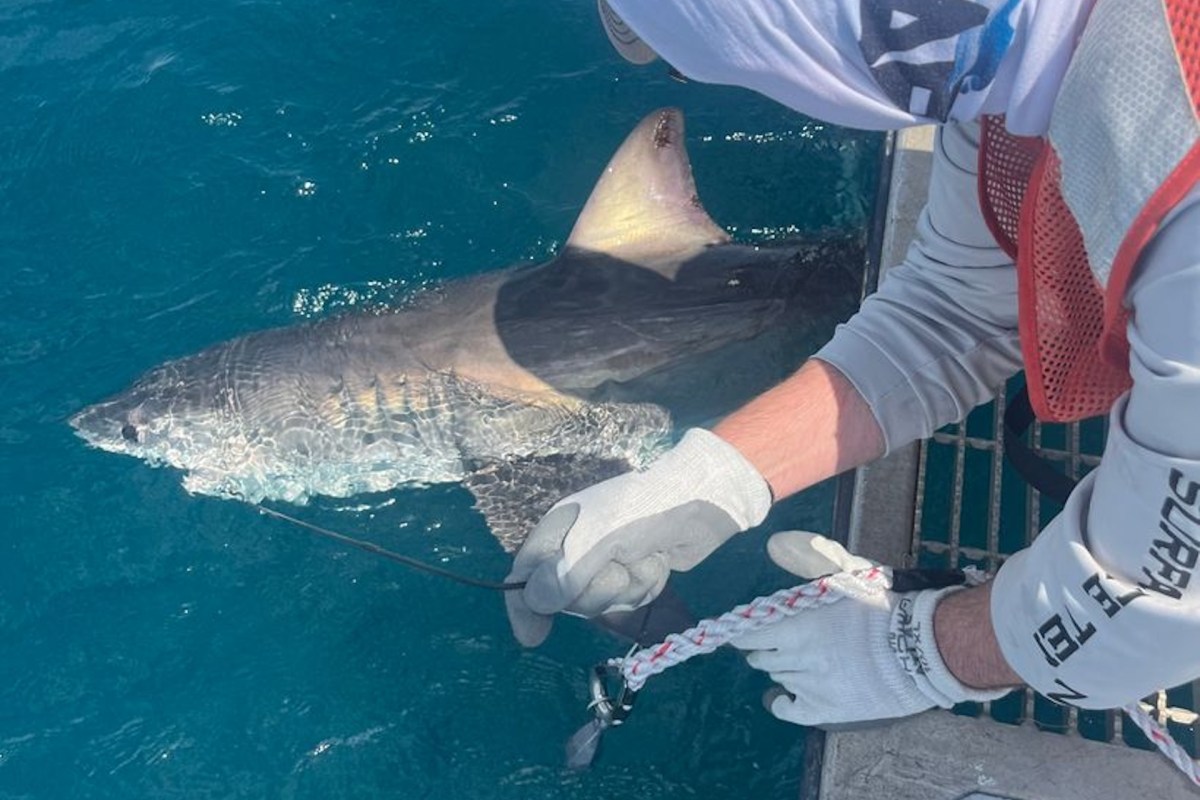
To sharpen hurricane forecasting, scientists are tapping an unlikely source to track ocean measurements.
Sensor-equipped sharks can carry instruments through waters that are otherwise hard to reach, collecting data that could improve storm predictions.
What's happening?
According to Yahoo News, researchers are placing sensor tags on sharks so they can record ocean conditions as they swim. The readings may help cover important blind spots in ocean regions that are hard to observe.
Because hurricanes feed on warm seawater, what lies below the surface matters. Heat stored in deeper layers can influence how fast a storm intensifies, so better subsurface data can sharpen forecasts for both track and strength.
Wide-ranging shark movements make them useful for this job. They regularly travel through stretches of ocean where traditional monitoring tools are sparse, costly to operate, or unsafe to sample often, effectively serving as roaming data platforms.
Why does it matter?
For coastal communities at risk, small forecasting gains can have big benefits. Improving estimates of a storm's route or its chances of rapid intensification can influence evacuations, school closures, and where emergency resources are deployed.
TCD Picks » Quince Spotlight
💡These best-sellers from Quince deliver affordable, sustainable luxury for all




Warmer oceans are heightening worries about more intense storms and heavier rain. When seas take on more heat, powerful hurricanes can form more easily, increasing the value of dependable ocean measurements.
Greater precision can also spare communities from needless disruption. If forecasts improve, places may avoid some of the economic costs of preparing for storms that later veer away, while still moving fast when a dangerous system is headed their direction.
The benefits may extend past hurricane season. Data gathered by tagged sharks could also deepen scientists' broader understanding of ocean conditions and aid marine research outside the context of any one storm.
What's being done?
This famously formidable ocean predator could give researchers a clearer picture of the waters that power some of the planet's most damaging storms. These sensors are being added to the forecasting toolbox rather than being used as a substitute for existing systems. In regions where data remains hard to collect, shark tags provide another way to gather valuable ocean information.
If the method keeps showing promise, forecasters could gain more ocean observations in real time or near real time. That larger stream of data would help improve the computer models that depend on accurate initial conditions to estimate how storms will evolve.

Get TCD's free newsletters for easy tips, smart advice, and a chance to earn $5,000 toward home upgrades. To see more stories like this one, change your Google preferences here.