


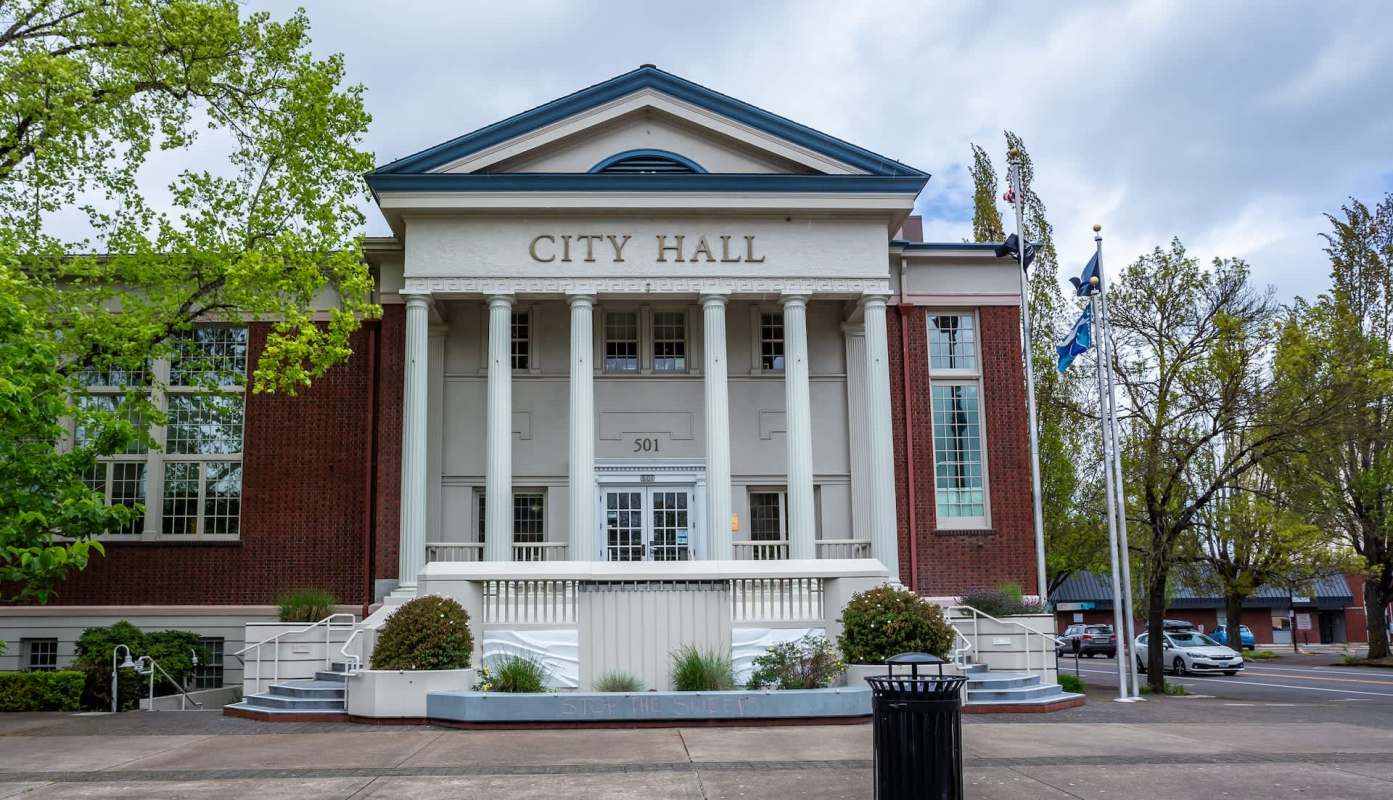
A debate in Salem, Oregon, over Verrus' proposed $5.1 billion Oakline at Mill Creek data center turned into a vivid display of public anger when a TikTok user filmed a guillotine being towed by bike outside a City Council meeting venue.
The demonstration coincided with the Salem City Council's July 27 hearing on the project, a session NewsData said stretched past six hours, according to Tom's Hardware.
What happened?
For hours, residents pressed the city not to advance planning for the large campus, warning that a project of that scale could affect land use, infrastructure, and other local resources.
The company had representatives at the hearing, but they departed before the meeting ended after being confronted by protesters.
On August 3, Salem imposed a one-year pause on data center projects while it reexamines zoning rules, putting the city alongside places such as Seattle and New York state, which have also halted similar developments.
Still, the moratorium may not stop the proposal entirely. Salem is still processing the filing because Verrus applied before the freeze, and the project would still have to clear a lengthy permitting review, including technical studies and sign-off on enforceable conditions.
TCD Picks » Quince Spotlight
💡These best-sellers from Quince deliver affordable, sustainable luxury for all




The proposal faced another obstacle when Oregon Gov. Tina Kotek said the state would cancel the sale of a 32-acre parcel linked to the site, forcing the company to reconsider part of its plans.
Why does it matter?
Data centers have become a growing flashpoint in communities across the country because they are closely tied to the AI boom while also requiring enormous amounts of electricity, land, and often water.
That can fuel fears of higher utility bills, strained power grids, and environmental tradeoffs, even as local governments are promised jobs and investment.
AI's connection to the energy grid is especially relevant in this case. Advanced computing can help utilities forecast demand, better integrate solar and wind power, and improve overall energy efficiency. But that same expansion in AI is also driving a wave of new data center construction, increasing power demand, requiring costly grid upgrades, and raising concerns about water use, security, and social impacts when growth moves faster than public oversight.
Oregon has already taken steps to shift more of those costs away from residents. State law requires major power users, including data centers, to pay most grid-upgrade expenses, and that let Portland General Electric raise rates by 30% for customers using more than 20 megawatts while lowering residential electricity costs by 1.3%.
Even with those protections in place, local opposition can remain intense when residents feel their communities may bear more of the burden than the benefit.
What's being done?
The one-year moratorium gives Salem officials time to revisit how data centers fit into the city's zoning and planning rules.
That kind of pause can give communities room to ask harder questions about energy demand, water use, traffic, tax incentives, and what safeguards should be in place before construction begins.
At the state level, Oregon's rules for large electricity users provide one example of how to avoid a situation in which households subsidize energy-intensive facilities. Meanwhile, Kotek's decision to halt the 32-acre land sale shows that state officials can still shape projects even after an application has already been submitted.
Verrus spokesperson JP Newmann said, "During a break in the proceedings, a group of opposition members cornered Verrus representatives and shouted insulting remarks, to the point where it no longer felt safe to stay."

Get TCD's free newsletters for easy tips, smart advice, and a chance to earn $5,000 toward home upgrades. To see more stories like this one, change your Google preferences here.






