


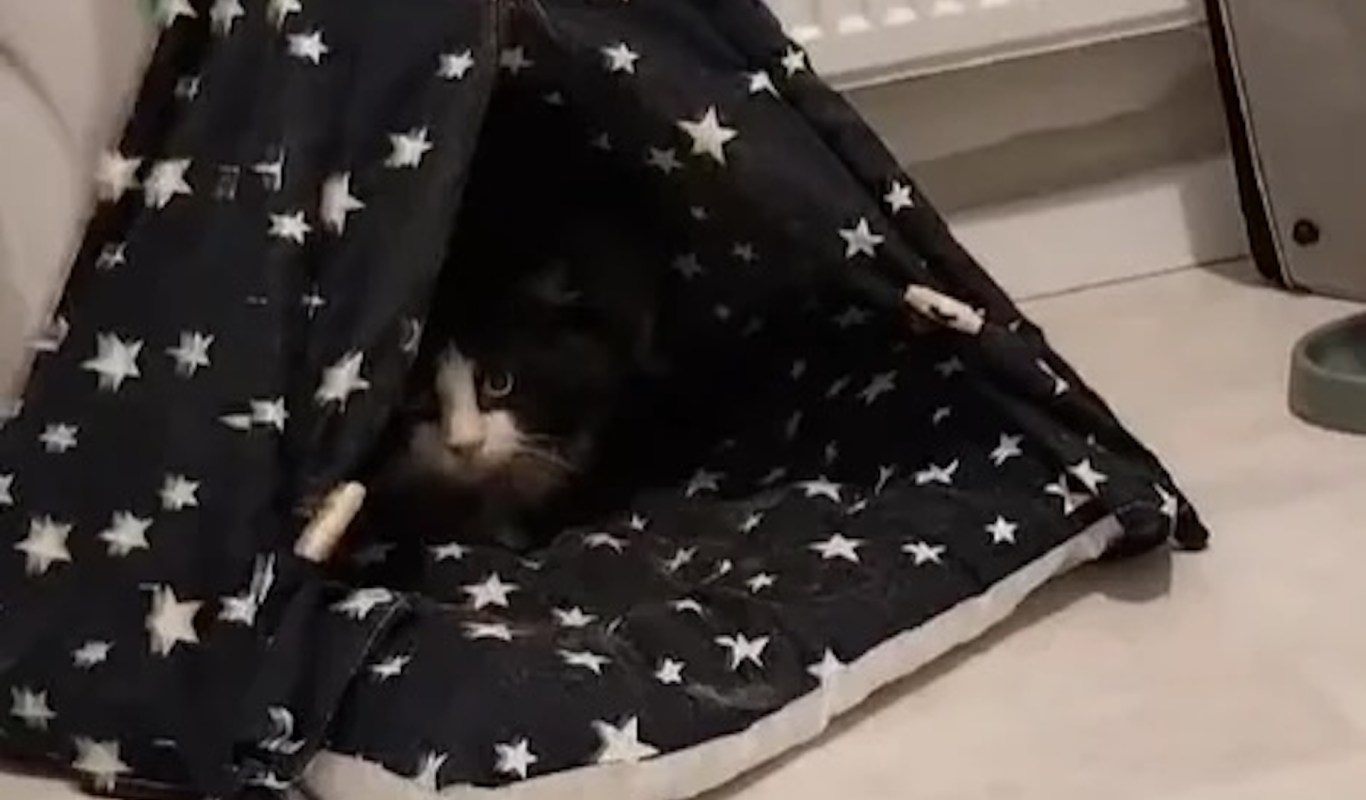
An 8-year-old former street tomcat is giving people online a hopeful example of how much can change for an older pet in a short time.
Two months after moving indoors, his before-and-after progress had Redditors cheering him on.
What happened?
The update was shared in r/BeforeNAfterAdoption, where the caregiver posted photos showing the difference two months had made for an 8-year-old cat who used to live on the street.
Judging by the response and the owner's comments, he seems to be settling into home life well.
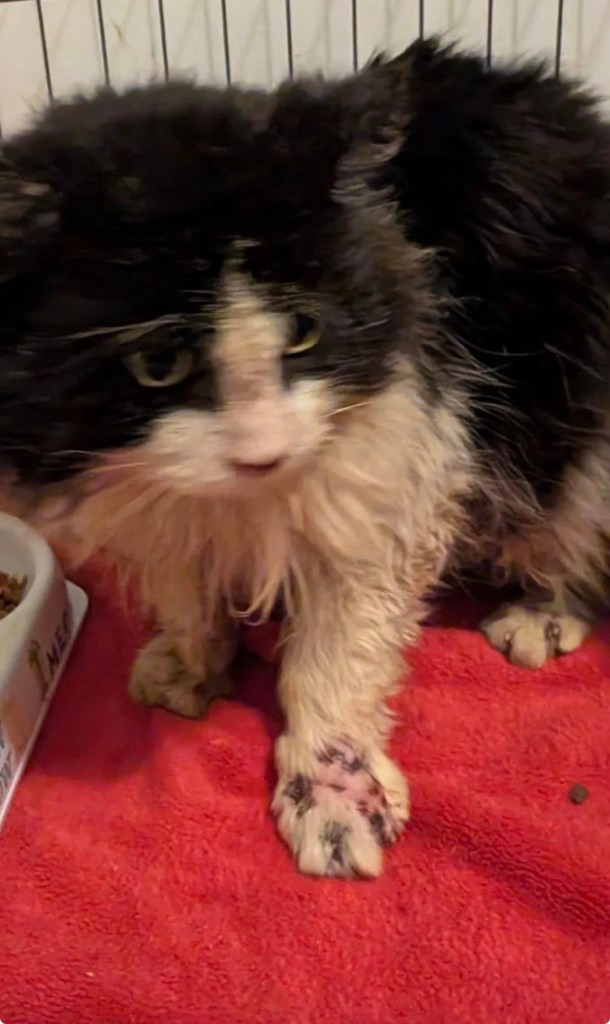
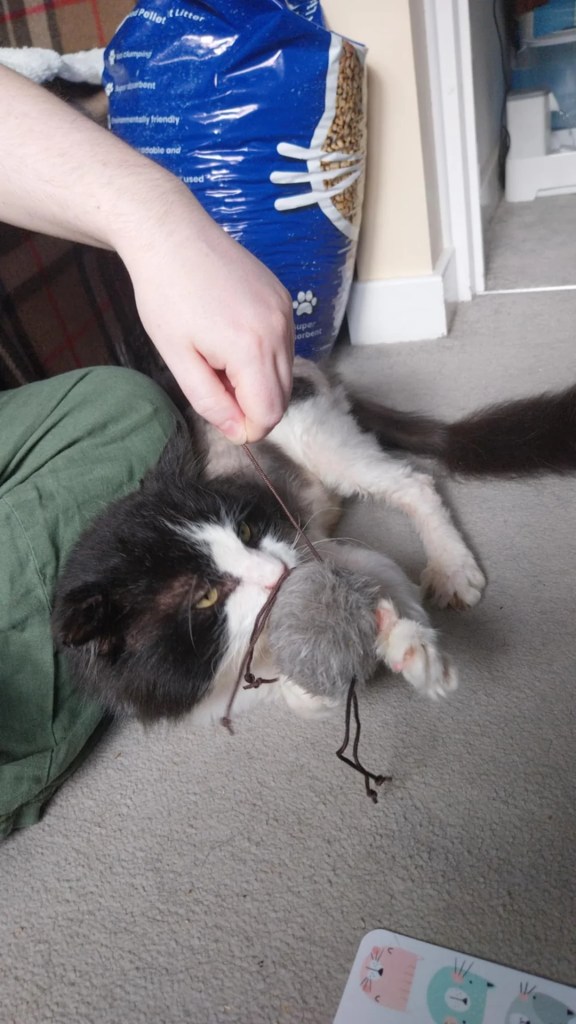
One commenter wrote, "What a transformation! Bless you."
Another added, "He's so cute! He has a beautiful journey ahead as he continues heal and becomes more confident while living the good life."
TCD Picks » Quince Spotlight
💡These best-sellers from Quince deliver affordable, sustainable luxury for all




Feeding him, at least, does not seem to be difficult. The original poster called him "an absolute hoover" and said he happily eats dry food, wet food, treats, bacon, steak, kidney, and white fish.
To some readers, that kind of appetite made perfect sense for a cat that had been surviving outdoors.
As one commenter put it, "Street cats can't really afford to be picky."
Why does it matter?
At 8 years old, this tomcat is no longer a kitten, yet his progress shows that older animals can still adapt, bond, and enjoy a dramatically better quality of life.
For animals that have spent time outdoors without stable care, indoor life can bring dependable meals, veterinary attention, and relief from constant stress. That can lead to visible changes in body condition, behavior, and confidence.
Many prospective pet owners overlook adult and senior cats, even though they can be deeply affectionate companions.
"Fantastic progress in just two months!" one person wrote. "[...] When his fur grows out, he's going to be magnificent!"
What can I do?
Adult and senior pets at local shelters or rescues are often overlooked, but many adjust beautifully when given time, routine, and a quiet space to decompress.
Patience is especially important for animals coming from unstable conditions.
In the Reddit thread, people pointed to high-value treats as one way to build trust.
"He let the vets draw blood as long as there was a churu on offer," the original poster wrote.
Trap-neuter-return programs, foster networks, and community cat organizations help stabilize cat populations and improve outcomes for animals living outdoors.
Donated food, volunteer time, or help connecting a neighbor with local rescue resources can support that work.

Get TCD's free newsletters for easy tips, smart advice, and a chance to earn $5,000 toward home upgrades. To see more stories like this one, change your Google preferences here.







