


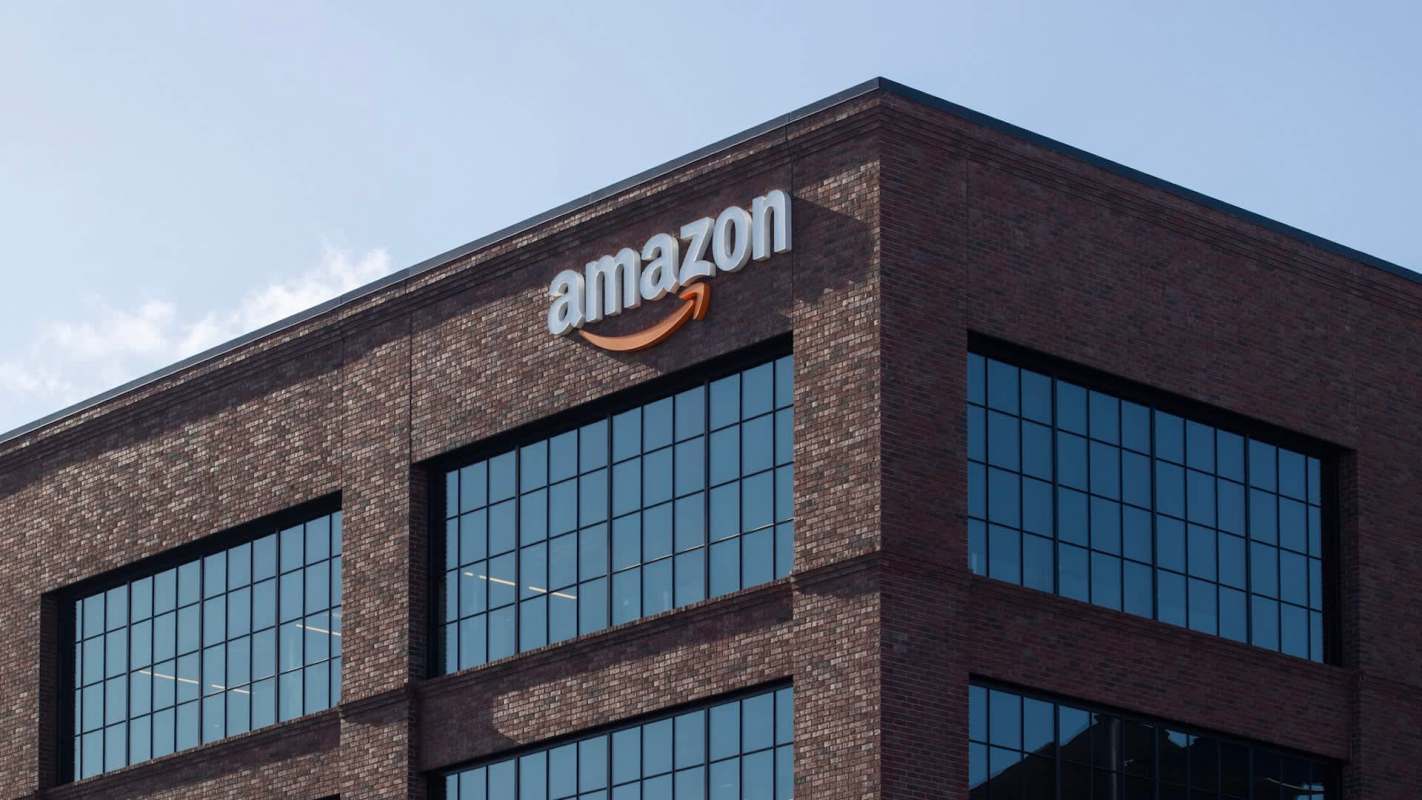
As demand for computing power continues to climb, Amazon has a roughly $220 billion AI spending target for 2026, a sign of how much the competition around artificial intelligence has intensified.
The move reflects both AI's growth potential and the steep cost of building the infrastructure needed to support it.
What happened?
In its second-quarter 2026 results, Amazon said it raised its 2026 AI spending estimate by $20 billion from its February forecast, bringing the total to about $220 billion. Higher memory-chip costs were among the factors pushing that estimate up.
As The Motley Fool reported, that amounts to a 10% increase in less than six months. Amazon also indicated that even at that spending level, it still may not have enough AI capacity to meet demand.
AI spending has already surged, with some estimates suggesting it has risen 500% since 2022 based on Census Bureau data.
That higher estimate also reflects a broader contest across the tech sector, where major companies are pouring money into data centers, chips, and cloud systems in an effort to gain an edge.
TCD Picks » Quince Spotlight
💡These best-sellers from Quince deliver affordable, sustainable luxury for all




Why does it matter?
Expanded AI infrastructure could bring real advantages. More computing power can support tools that speed research, automate repetitive work, improve logistics, and help companies make decisions faster.
But AI's growth is closely tied to the energy grid. Running data centers and training large AI models requires enormous amounts of electricity, and many facilities also use significant amounts of water for cooling. While AI can help optimize clean energy systems and improve grid forecasting, power demand that grows faster than supply could leave people facing higher utility bills and added strain on local infrastructure.
The rapid build-out has drawn comparisons to the internet boom, when companies spent heavily on infrastructure before the market corrected. If AI demand eventually cools or fails to justify the scale of today's investments, some of that spending could prove excessive.
What's being done?
Amazon's response is to simply spend more. The company is continuing to expand aggressively because it believes demand for AI services is outstripping available capacity.
Across the tech sector, that likely means more investment in data centers, advanced semiconductors, and supporting systems designed to run AI workloads more efficiently. The challenge will be making those systems productive enough to justify their financial, environmental, and resource costs.
Utilities, policymakers, and tech companies also have a role to play in balancing growth with reliability. As AI becomes a larger part of the economy, decisions about power supply, efficiency, water use, and security will matter far beyond the tech industry.

Get TCD's free newsletters for easy tips, smart advice, and a chance to earn $5,000 toward home upgrades. To see more stories like this one, change your Google preferences here.






