


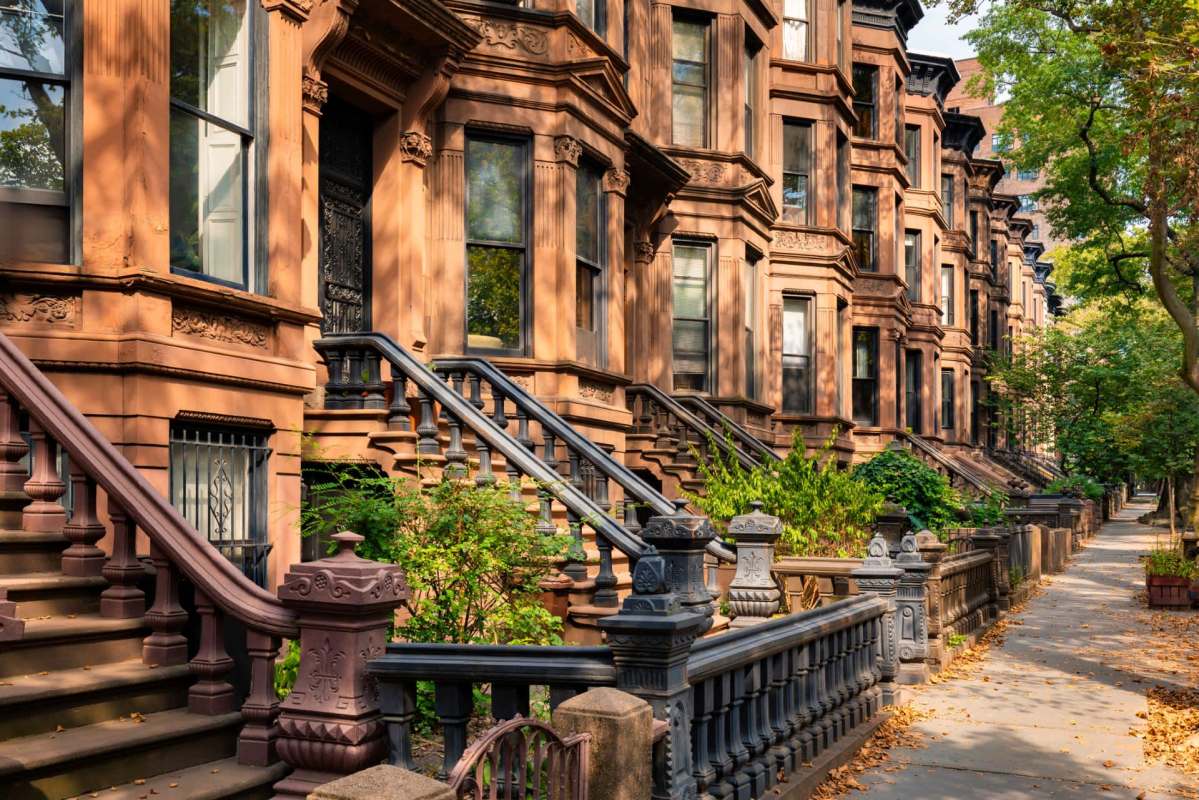
Owning a home in an HOA-run community often brings a recurring bill on top of the usual costs of homeownership.
In some U.S. markets, those monthly dues have grown large enough to resemble another major housing payment.
A LendingTree analysis shows just how steep that expense has gotten, with New York topping the list.
What's happening?
A review of Census Bureau data covering the 100 biggest cities in the U.S. found New York carries the country's highest median HOA fee, at $558 a month, according to Quartz.
Honolulu followed at $526, then Bridgeport, Connecticut, at $424, Cape Coral, Florida, at $411, and Miami at $410.
Nationwide, the typical monthly fee was about $310, and city medians ranged from roughly $42 at the low end to more than $500 at the high end.
TCD Picks » Quince Spotlight
💡These best-sellers from Quince deliver affordable, sustainable luxury for all




New York also stood out for how many residents face especially high dues: among homeowners there who pay HOA fees, 53.4% pay at least $500 a month, and 28% pay more than $1,000.
In Honolulu and some Florida markets, high fees are also being pushed upward by aging buildings, rising insurance costs, and stricter rules on reserve funding.
As properties get older, expensive work on roofs, plumbing, elevators, and facades becomes harder to postpone, and insurance plays a larger role in places exposed to hurricanes and wildfires.
Why does it matter?
These fees can decide whether a home is truly affordable.
A buyer might qualify for the mortgage itself, only to realize that association dues add hundreds of dollars a month to the real cost of owning the place.
That problem is especially common in condo-heavy markets, where HOA payments cover shared obligations like staffing, landscaping, building insurance, and maintenance.
In older buildings, expenses can escalate quickly once deferred repairs finally need to be handled.
Insurance pressure tied to climate risk is contributing too. In Florida and Hawaiʻi, storm and wildfire exposure has raised the cost of master insurance policies for associations, and homeowners end up paying those higher bills.
For households trying to lower their monthly expenses, HOAs can create another obstacle as well. Some associations across the country have blocked or delayed money-saving home upgrades such as rooftop solar panels and native plant lawns, making it harder for residents to reduce utility bills or cut water use even as dues continue to rise.
What can I do?
If you're shopping in an HOA-run community, treat the monthly fee as a core housing cost, not a minor detail.
A lower sale price can be misleading if dues are already unusually high or likely to rise sharply.
Before putting in an offer, review an association's reserve study, budgets, insurance coverage, and any planned special assessments.
Those records can reveal whether a building has kept fees artificially low and may be headed for major increases later.
Homeowners already living under HOA rules may also have options to push for practical, cost-saving changes. If your community limits clean-energy or low-water upgrades, The Cool Down's guide on working with HOAs can help explain how residents can advocate for bylaw changes.
Older housing stock and climbing insurance costs have turned HOA dues into a major budget item in cities across the country.
In New York, Honolulu, Miami, and other high-fee markets, the listing price tells only part of the story. Monthly HOA dues can matter just as much as the mortgage.

Get TCD's free newsletters for easy tips, smart advice, and a chance to earn $5,000 toward home upgrades. To see more stories like this one, change your Google preferences here.






