


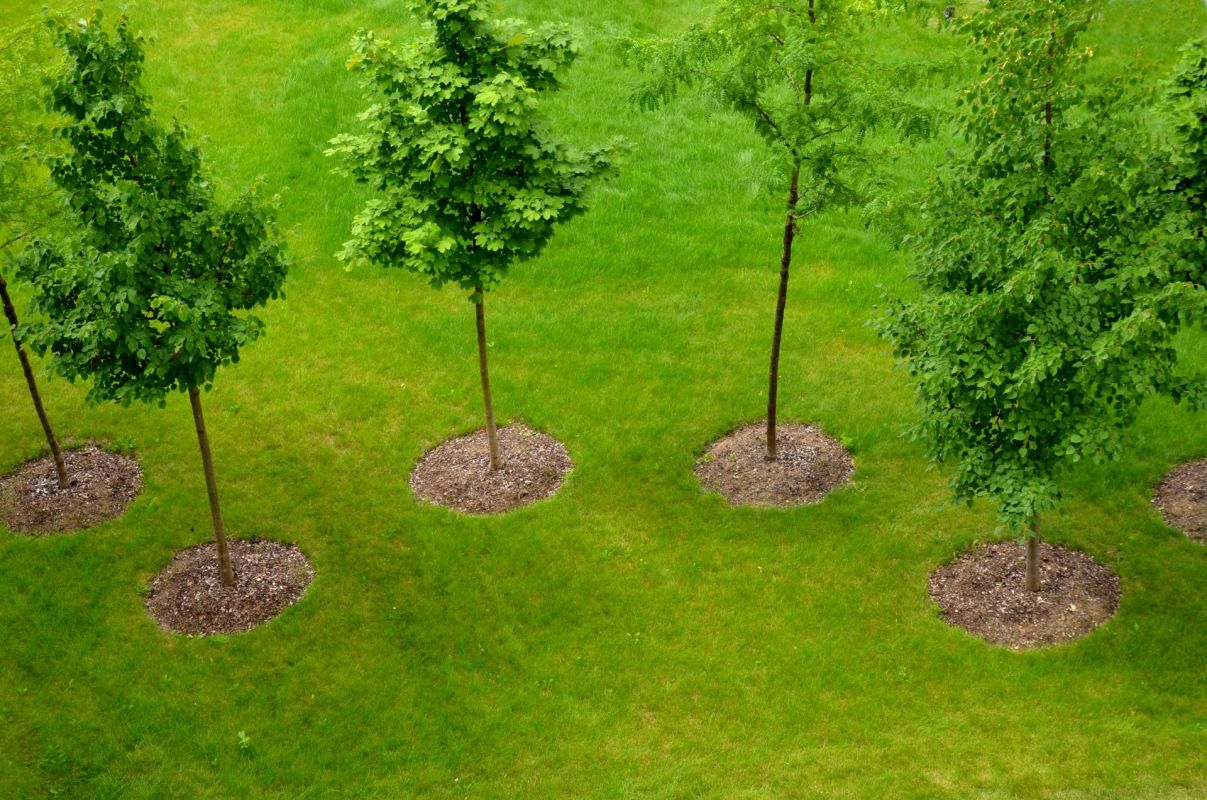
Young trees could be among the first parts of a landscape to suffer when drought intensifies, and one gardening expert says homeowners should not wait for scorched leaves or declining branches to take action.
What's happening?
Brian Minter — an award-winning horticulturist, author, and syndicated columnist — says dry conditions in the Pacific Northwest and Southern Canada are taking a heavy toll on residential landscapes, and the biggest concern is for younger trees whose roots have not fully developed, according to his column in Freshet News.
"We are now in a serious drought situation and need to protect the trees in our own landscapes and neighbourhoods," Minter said.
To keep limited moisture available to those plants, he recommends spreading fine bark mulch from the trunk area to the drip line, mixing compost into the soil so it holds water better, and using tree watering bags or deep hand watering at the drip line for young trees.
He also pointed to soaker hoses and drip irrigation as useful tools, while stressing that gardeners should confirm the water is soaking far enough into the ground.
Minter said other plants may need support as well, including hedges, shrubs like hydrangeas and rhododendrons, and pollinator-friendly perennials; hedges can be especially vulnerable because many have shallow roots that cannot access deeper moisture.
TCD Picks » Quince Spotlight
💡These best-sellers from Quince deliver affordable, sustainable luxury for all




Why does it matter?
A drought-hit yard is about more than foliage losing its color. As heat builds, trees help lower temperatures around houses and throughout neighborhoods. They also filter air and create habitat for birds and helpful insects.
Long periods of plant stress can also make landscapes more susceptible to disease and insect damage.
What can I do?
Minter's guidance is to prioritize younger trees, followed by shallow-rooted hedges and shrubs that are sensitive to drying out. Mulch can reduce evaporation, and added organic matter can help soil retain moisture longer.
If watering is allowed, do it slowly and deeply at the drip line. Minter also recommended a high-efficiency hose nozzle to distribute water more uniformly through the root zone, with soaker hoses as another effective option.
Weekly watering can also support established shrubs. Mulch may help perennials, and ornamental grasses may be worth considering because they usually handle heat and drought better.

Get TCD's free newsletters for easy tips, smart advice, and a chance to earn $5,000 toward home upgrades. To see more stories like this one, change your Google preferences here.







