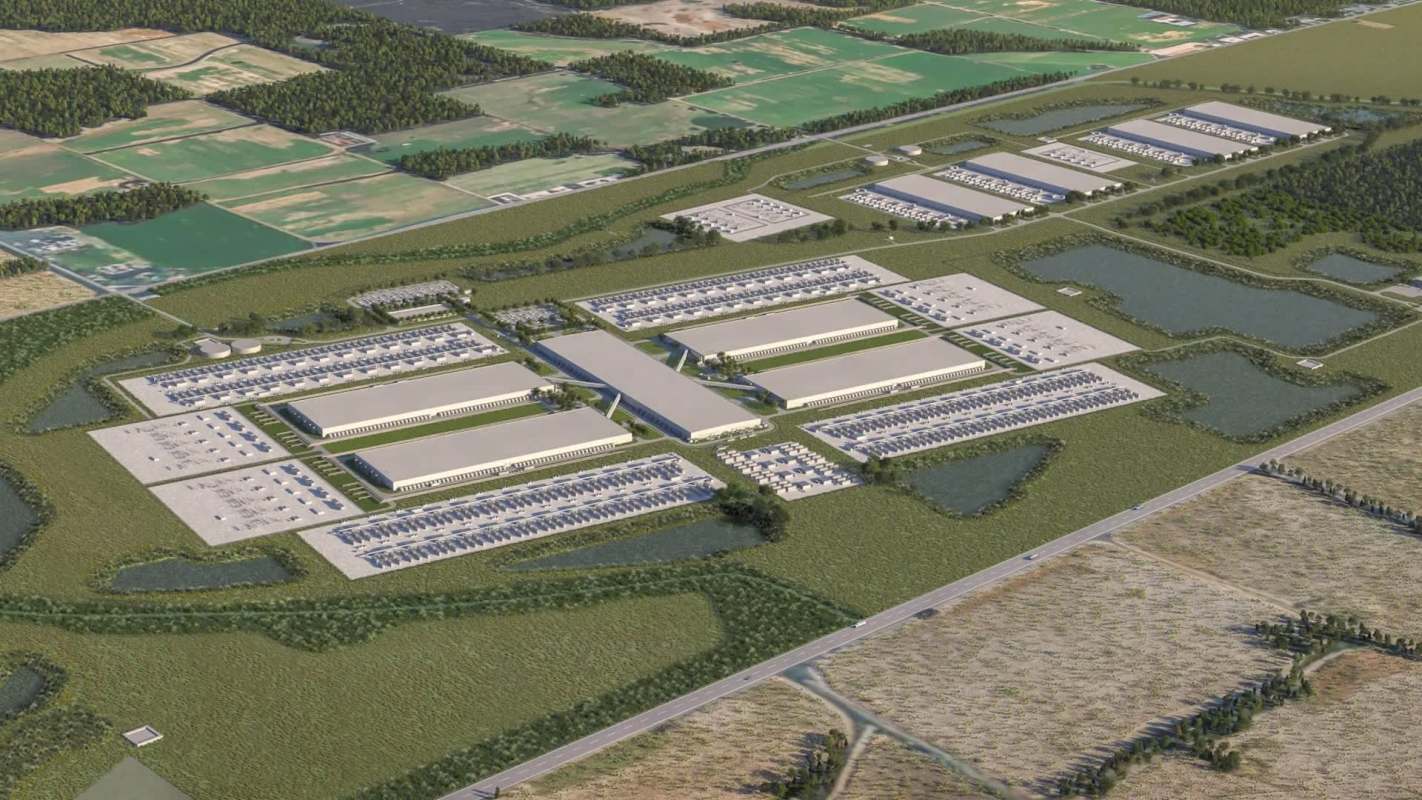
Louisiana officials are trying to figure out who should pay for Meta's Hyperion data center if the company moves forward with installation, according to The Shreveport-Bossier Advocate.
What's happening?
The central debate for state leaders is how to handle fast-growing electricity demand without adding new costs to residential bills, The Shreveport-Bossier Advocate reported.
Supporters have cast the project as a major win for economic development. At the same time, people are wondering who would pay for added generation, transmission, and other grid improvements.
Policymakers largely agree that household customers need protection. The disagreement is over what kind of system would actually provide it.
Officials are now looking at many options like special rate structures, project-specific contracts, and similar tools to keep these expenses separate from residential bills.
Why is this concerning?
For many families, utility bills already take a big bite out of household budgets. If a large industrial or tech project drives new power investments, even small cost transfers could shape monthly bills for years.
TCD Picks » Quince Spotlight
💡These best-sellers from Quince deliver affordable, sustainable luxury for all




The debate also shows how tightly artificial intelligence is becoming linked to the electric grid. Utilities can use AI to forecast demand and help bring on more wind, solar, and battery storage.
But the infrastructure behind AI — especially giant data centers — can consume enormous amounts of electricity and water, create reliability worries, and introduce cybersecurity concerns.
That tradeoff is becoming more visible around the country. Communities want clear proof that people who never chose to use AI systems won't have to bear the cost of its growth.
And in areas where extreme heat already pushes summer power bills higher, the financial stakes are greater still.
What's being done?
One idea under consideration would use a tariff or contract design that places more of the project's power-related costs directly on the large customer instead of the general public.
Possible safeguards include customized tariffs, minimum-use commitments, and other protections meant to shield households and small businesses if the expected demand does not arrive as projected.
Another option is closer regulatory review of any generation or transmission expansion connected to the project. That would give state regulators more chances to determine whether each investment is necessary and whether the costs are being assigned fairly.
However, officials resolve the issue, the outcome could become a model for how other states deal with AI's rising demand for electricity.

Get TCD's free newsletters for easy tips, smart advice, and a chance to earn $5,000 toward home upgrades. To see more stories like this one, change your Google preferences here.