


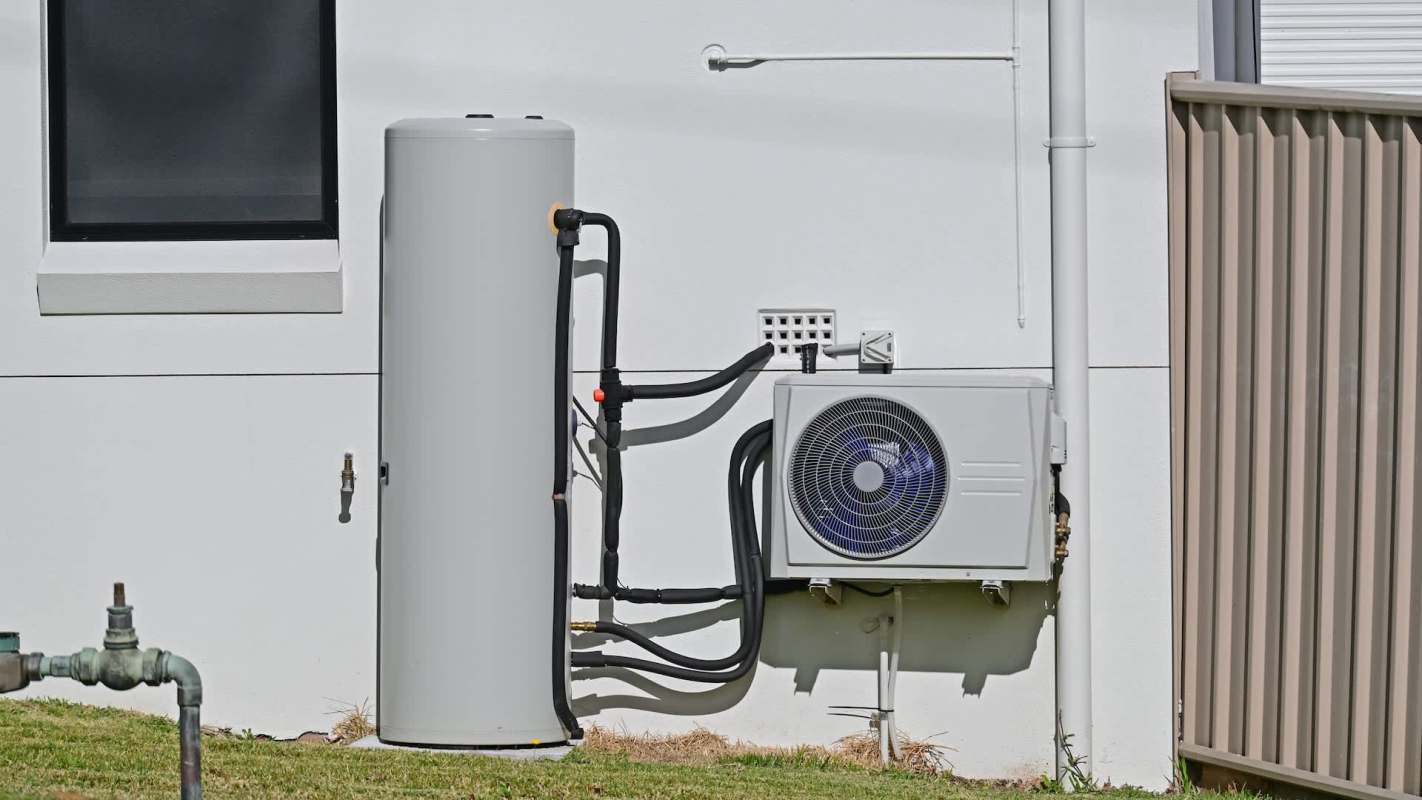
Midea took top honors in a national contest for a split-system heat pump water heater.
The design could make one of the most efficient home appliances a better fit for smaller homes and multifamily residences. That could mean noticeable savings for homeowners.
What happened?
Contractor reports that the Northwest Energy Efficiency Alliance expects the system to cut yearly energy costs by roughly $240 on average and reduce energy use in more than 2 million homes annually.
Midea was chosen as the national winner of the Hot Water Innovation Prize, a competition run by the Northwest Energy Efficiency Alliance together with the American Council for an Energy-Efficient Economy and other efficiency organizations.
The contest was built around a key reason heat pump water heaters have not spread more widely: many homes do not have enough space for them.
These water heaters draw much less electricity than standard electric resistance units, but the size of many existing models makes installation tougher. As a result, they have often been a poor match for apartments, condominiums, manufactured housing, and homes with small utility or mechanical rooms.
Midea's answer was a split-system heat pump water heater that separates the compressor from the storage tank instead of putting all the parts in one large unit. That setup gives installers more flexibility and can make the technology workable in homes that previously did not have room for it.
Why does it matter?
Heating water is a major part of many households' energy spending, so making efficient equipment easier to install could affect both utility bills and day-to-day comfort.
Save $10,000 on solar panels without even sharing your phone number Want to go solar but not sure who to trust? EnergySage has your back with free and transparent quotes from fully vetted providers in your area. To get started, just answer a few questions about your home — no phone number required. Within a day or two, EnergySage will email you the best options for your needs, and their expert advisers can help you compare quotes and pick a winner. Solar panels can save you more than $50k over their 25-year lifespan, and EnergySage can help you save as much as $10k on installation. Which begs the question — isn't that worth an email or two? |

Households that swap electric resistance water heaters for heat pump models could cut their utility costs while still having dependable hot water.
The alliance says its estimates show that replacing current small electric resistance units with the competition's split-system heat pump models could produce about $5.6 billion in utility-bill savings each year.
By the same estimate, that would also mean 35 billion fewer kilowatt-hours of electricity used annually and about 14.3 million US tons (13 million metric tons) less carbon dioxide released.
What's being done?
Under the prize announcement, Midea will receive $175,000 as the competition winner to keep developing the product. That support could help bring the design closer to wider use, especially in retrofit work where tight layouts and limited space have made installations difficult.
Smaller split-system units could also open up more possibilities in older homes and multifamily buildings where standard heat pump water heaters have been hard or impossible to install.
Other companies are also working to make efficient water heating more practical for consumers. Cala offers customizable smart heat pump water heaters that help homeowners decrease their energy bills by heating water exactly when it's needed. That added control can make an efficient appliance even more useful in daily life, especially for families trying to reduce waste and manage energy costs.
For homeowners comparing upgrade options, Cala is another example of a heat pump water heater brand aimed at homeowner savings.
Midea's winning design could help extend heat pump water heating to millions of households that have long been harder to serve, while also pointing to easier installations and lower bills.

Get TCD's free newsletters for easy tips, smart advice, and a chance to earn $5,000 toward home upgrades. To see more stories like this one, change your Google preferences here.






