


A corporate catering worker says an office's sustainability message does not line up with the choices employees see around them.
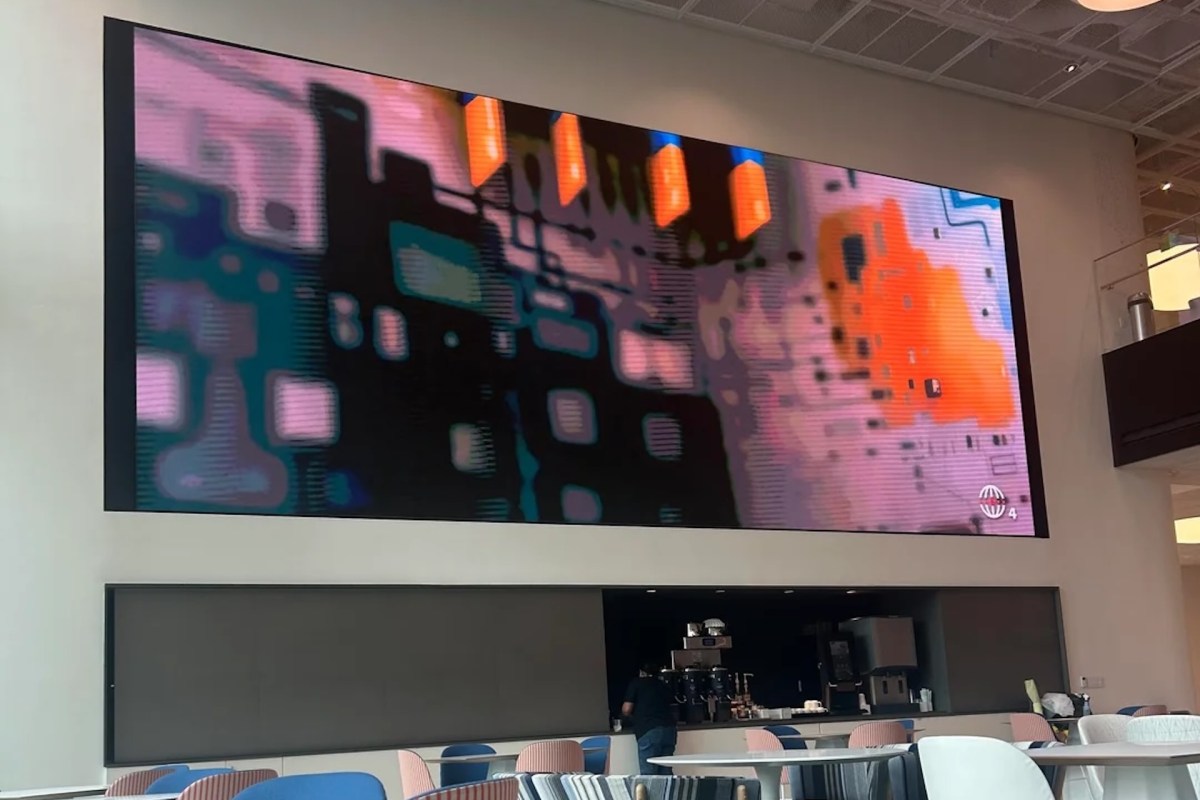
What especially frustrated the worker was the contrast between conservation notices posted throughout the building and a giant cafeteria display that appeared to stay on constantly.
What's happening?
In a post on Reddit's r/Anticonsumption forum, the employee uploaded photos focused on a theater-size screen in the cafeteria (seen in the primary photo) that seemed to be showing AI-made visuals around the clock, despite the office's frequent reminders to use less water and electricity. They shared photos of the memos in the thread.
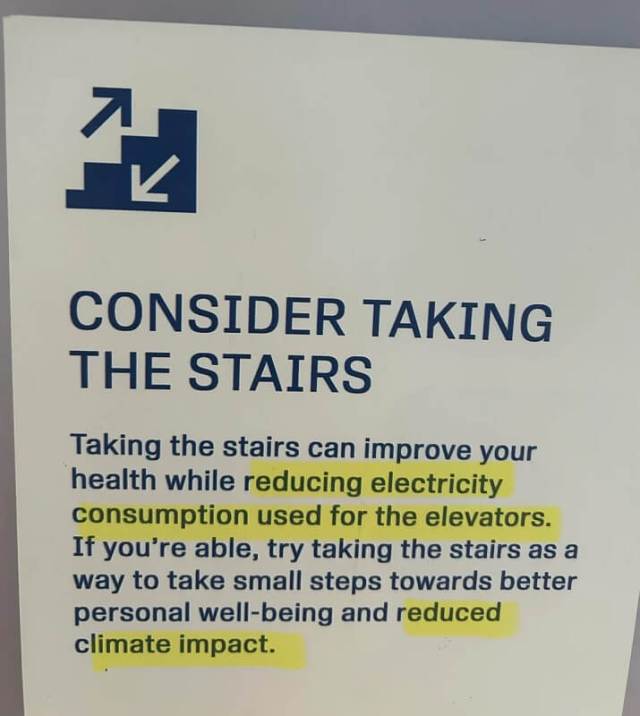
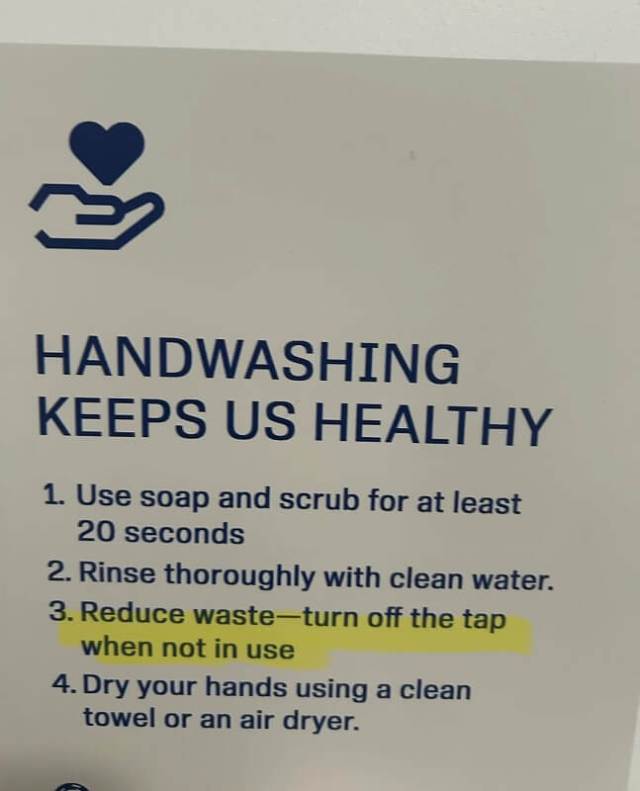
The original poster wrote: "They have signs everywhere stating we should reduce our electricity and water consumption, while having a movie theater sized screen in the cafeteria that is 24/7 AI generating images based on data."
The worker also framed the situation as part of a broader pattern of waste in the office, pointing to previous frustration with plastic sign holders arriving in multiple separate boxes.
Not all commenters agreed on what was actually happening, however. One commenter wrote, "That's literally just a video on loop, not 24/7 AI."
TCD Picks » Quince Spotlight
💡These best-sellers from Quince deliver affordable, sustainable luxury for all




Another still felt the larger point remained, saying, "Still hypocritical to actively use generative AI regularly in the same place you tell workers to 'not waste water.'"
Why does it matter?
Employees are often more likely to take conservation requests seriously when companies apply those standards consistently, not just through posters and break-room signage.
Even if the screen was only looping prerecorded visuals, an always-on display still uses electricity and can add to a building's cooling load. If it truly relied on generative AI, readers were quick to connect it to broader concerns about the energy demands associated with AI tools.
Several commenters argued that the conservation signs were not necessarily wrong simply because the company may have its own waste issues. One commenter wrote, "Turning off the lights and faucet when not in use are objectively good practices."
What can I do?
If a company wants workers to conserve water and electricity, it can start by auditing its own highly visible practices, including oversized screens, unnecessary lighting, excessive packaging, and equipment left running around the clock.
Offices can set shutoff schedules for displays, limit decorative screens to active hours, reduce single-use packaging in supply orders, and explain why any energy-intensive technology is being used in the first place.
For workers and consumers, it is still worth maintaining the practical habits that genuinely reduce waste while also speaking up when policies feel one-sided. Readers looking to cut unnecessary packaging at home can also explore plastic-free alternatives for everyday products.
The thread captured both sides of the frustration. The original poster called the display "So wasteful, annoying, and not to mention, extremely ugly."

Get TCD's free newsletters for easy tips, smart advice, and a chance to earn $5,000 toward home upgrades. To see more stories like this one, change your Google preferences here.







