


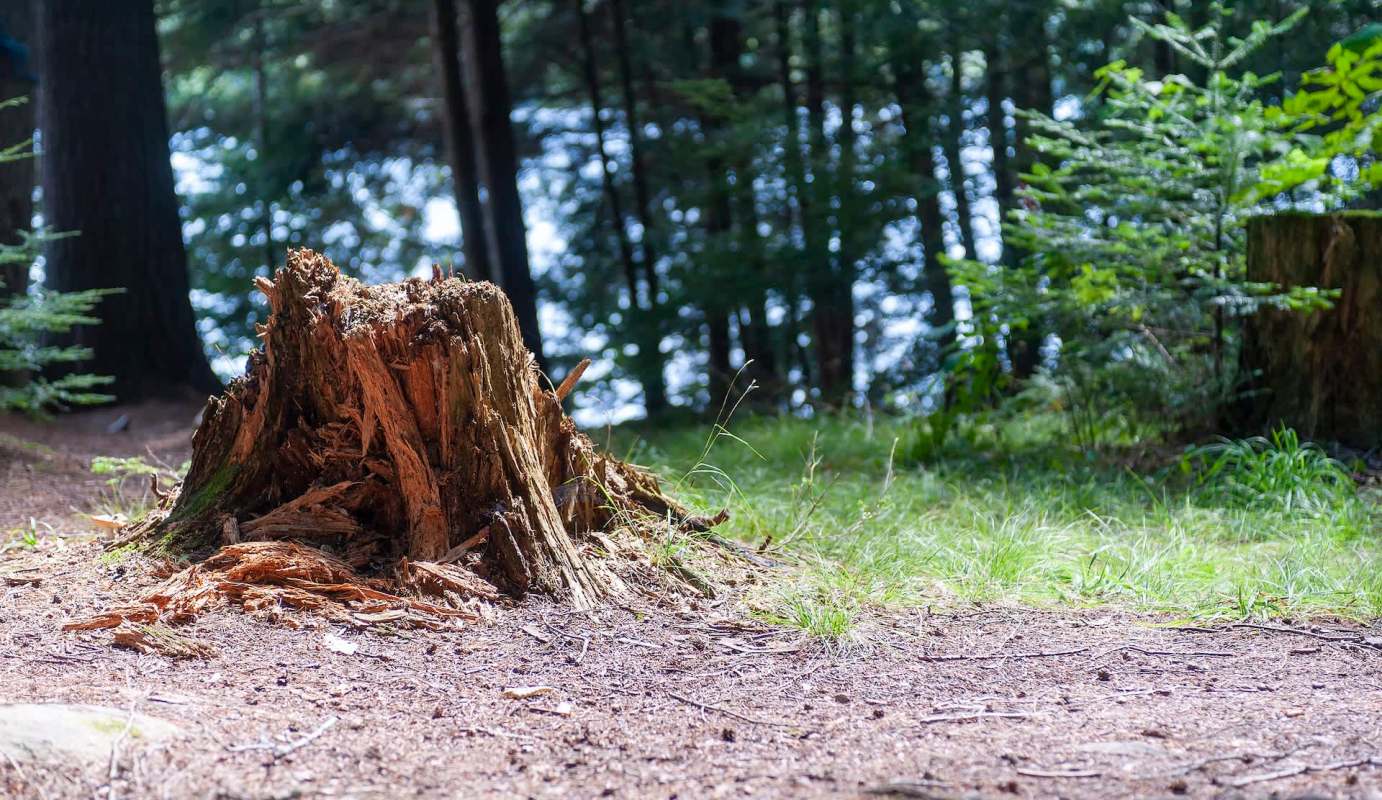
What looked like routine backyard cleanup became a lesson in persistence when a Redditor found new growth on a burning bush stump that had already been cut down, dug up, and left in the driveway.
What happened?
Their photo on the r/invasivespecies forum showed why the fight felt endless: the uprooted stump of a burning bush, or winged euonymus, was producing new green shoots. They said the shrub had been more than 20 feet tall before it was cut down in spring 2025, and that even after the stump was dug up, it kept growing.
As the original poster wrote on Reddit, "This thing is eternal."
The comments filled with similar stories from other gardeners dealing with the same plant. One commenter wrote, "I ripped out a big burning bush last spring. I got the entire root ball and dug out every root I could find. This year, I'm battling a million seedlings that have obnoxiously long taproots since there's no mother plant to keep them down. They never end."
The discussion then shifted to strategy, as commenters compared everything from boiling water and mattocks to the idea of killing the shrub first and only then trying to remove it.
Why does it matter?
Burning bush remains a popular ornamental shrub, but it has also earned a reputation for spreading aggressively and returning even after being cut back. It can crowd out more beneficial options, including native plants, pollinator-friendly landscaping, or even a small food garden. For people hoping to grow herbs, tomatoes, or greens, that lost space can also mean lost savings on produce and less access to fresher, better-tasting food at home.
TCD Picks » Quince Spotlight
💡These best-sellers from Quince deliver affordable, sustainable luxury for all




What can I do?
If you are dealing with a stubborn invasive shrub, consistency is key. Small seedlings are usually easiest to manage early, before they establish deep roots. Repeated cutting, careful digging, and close monitoring of the area for new sprouts can all help reduce regrowth over time.
For people hoping to avoid harsher treatments where possible, controlling weeds without chemicals offers practical lower-impact strategies. Those methods can be especially helpful in spaces where you eventually want to plant vegetables, flowers, or native species.
Replacing invasive shrubs with useful or attractive alternatives can help keep the area occupied and make future maintenance easier. Whether that means native plants or edible crops, the payoff can be significant: lower grocery bills, tastier produce, and a garden that supports both mental and physical well-being.
The Reddit thread captured the mood: "This thing is eternal." Another commenter agreed: "They never end." And one more put it this way: "The roots need to be long to reach all the way to hell."

Get TCD's free newsletters for easy tips, smart advice, and a chance to earn $5,000 toward home upgrades. To see more stories like this one, change your Google preferences here.






